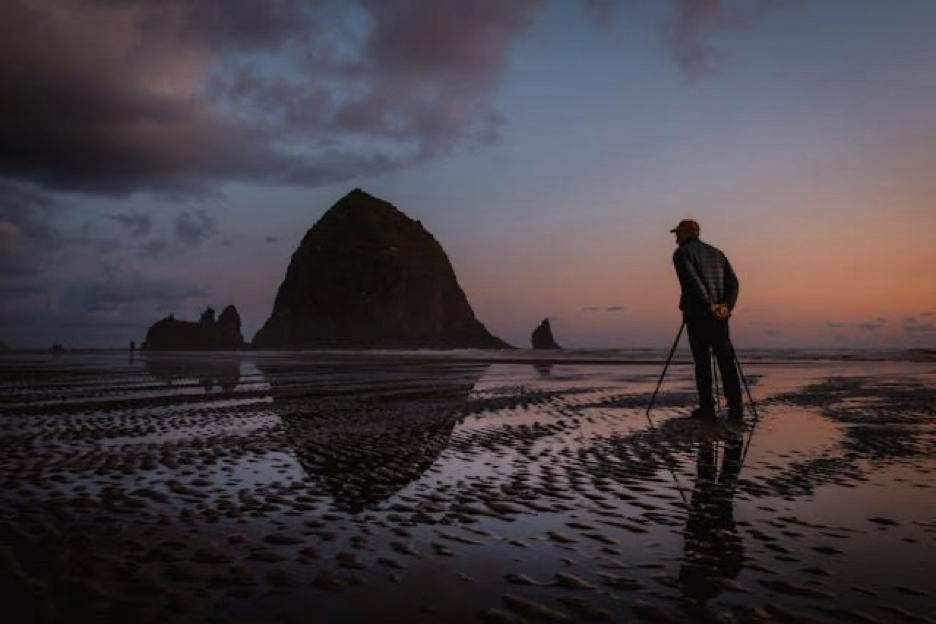
Oregon is a photographer’s paradise where rugged coastlines meet snow-capped peaks, and waterfalls tumble through mossy forests. The Beaver State offers endless opportunities for stunning images, from volcanic lakes and colorful deserts to moody beaches and lively cities. Every region reveals something new, making it one of the most scenic places in the Pacific Northwest.
Whether you’re chasing waterfalls, wildlife, or city skylines, this Oregon photography bucket list highlights the top picture places in Oregon, from iconic landmarks to hidden gems. Discover the best photography spots Oregon has to offer with insider tips for lighting, timing, and gear. These Oregon photo locations are perfect for anyone ready to explore the wild beauty that defines this unforgettable state.
Essential Tips for Photographing Oregon
- Plan around the seasons. Spring brings peak waterfall flow and wildflowers, while late summer and fall offer clear skies and warm light. Winter can deliver dramatic snow scenes but also road closures — always check conditions before heading into mountain or coastal areas.
- Prepare for fast-changing weather. Oregon can shift from fog to rain to sun within minutes. Pack layers, waterproof clothing, lens cloths, and a sturdy rain cover for your camera.
- Bring the right gear. A wide-angle for landscapes, a telephoto for wildlife or distant peaks, and a lightweight tripod will cover most conditions. ND and polarizing filters are especially useful for waterfalls, reflections, and coastal glare.
- Know the rules. Some areas, such as Crater Lake, the Columbia River Gorge, and state parks, may require entrance or parking permits. Research trail regulations, and check for drone restrictions before flying.
- Stay safe outdoors. Trails and rocks can be slick near waterfalls, and sneaker waves along the coast are powerful and unpredictable, so always keep a safe distance from the water’s edge. Carry a map or GPS, tell someone your route, and respect closure signs.
- Photograph responsibly. Follow Leave No Trace principles: stay on trails, never trample vegetation for a shot, and pack out what you pack in. Observe wildlife from afar with a long lens, and respect private property and tribal lands by photographing only where permitted.
Best Places to Photograph in Oregon
This ultimate photography bucket list for Oregon highlights the state’s most photogenic places, organized by region, with insider tips on when to visit, what gear to bring, and how to capture the magic of the Pacific Northwest.
Southern Oregon
Dramatic, remote, and filled with contrasts, Southern Oregon blends volcanic wonder and high-desert minimalism. It’s the perfect starting point for your Oregon photo adventure. From snow-capped peaks to wide-open plains, this region delivers breathtaking variety and light that changes with every mile.
Crater Lake National Park
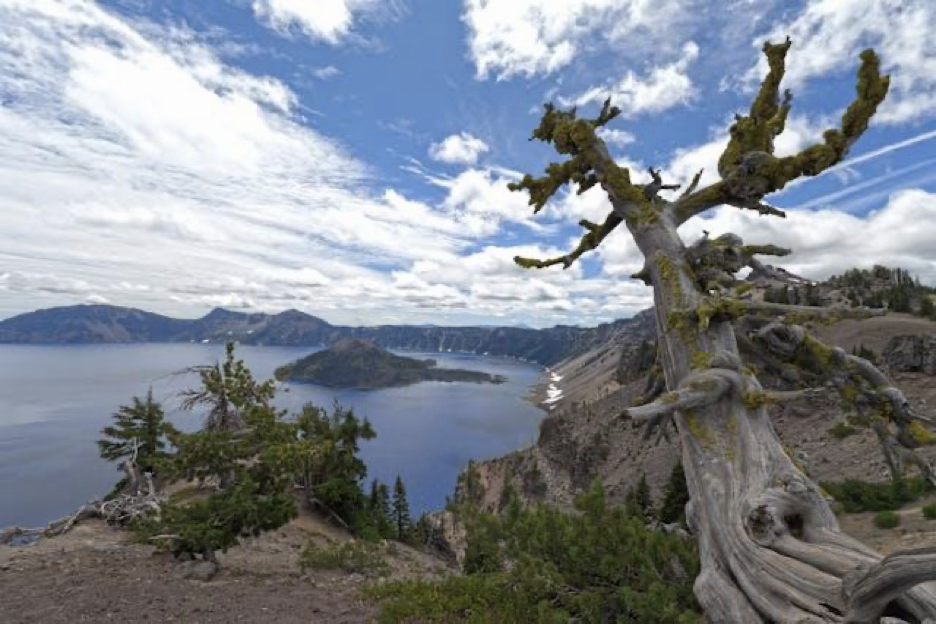
Oregon’s only national park and one of the deepest lakes in the world, Crater Lake is pure magic. Its impossibly blue waters look like they were painted onto the landscape. Capture the lake from Rim Drive, Watchman Overlook, or Discovery Point for sweeping panoramas. For a different perspective, hike down to Cleetwood Cove for rare shoreline views or catch reflections from the Phantom Ship Overlook. Bring a wide-angle lens for capturing the vast crater and a telephoto for wildlife like Clark’s nutcrackers, marmots, and the occasional bald eagle soaring above the rim. Winter brings a snow-covered rim, while summer reveals lush wildflowers along the trails.
Tip: Use a polarizing filter to enhance the deep blue of the water and reduce glare, especially in midday sun.
Alvord Desert

If you love minimalist landscapes, this vast salt flat near the Steens Mountains will steal your heart. The cracked playa stretches endlessly, changing color with every passing cloud. Sunrise and sunset paint the desert in soft pinks and golds, perfect for serene compositions. On clear nights, the Alvord Desert also becomes one of Oregon’s best spots for astrophotography, offering unobstructed views of the Milky Way under incredibly dark skies.
Tip: Play with leading lines and symmetry, or include a vehicle or person for scale. After rain, shallow puddles create mesmerizing mirror reflections.
Owyhee Canyonlands
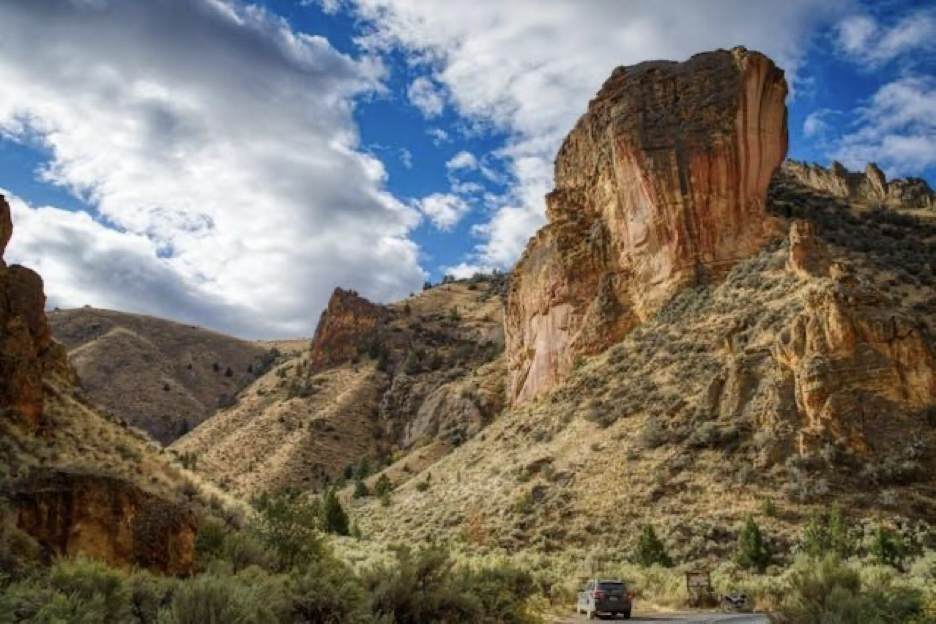
One of Oregon’s most remote and underrated regions, the Owyhee Canyonlands are full of colorful cliffs, twisting rivers, and dramatic rock formations. It’s a dream for landscape photographers who crave solitude and scale.
Tip: Shoot during golden hour to bring out the red and orange hues in the cliffs.
Central Oregon
With its desert plains, volcanic peaks, and endless sunshine, Central Oregon feels like a different world. It’s a playground for photographers seeking texture, light, and drama. Spring and fall offer the best balance of mild temperatures and clear skies, while winter dusts the peaks in snow for striking contrast against the red rock and sagebrush. No matter the season, the region’s crisp air and low humidity create exceptional visibility and rich, natural color in every shot.
Smith Rock State Park
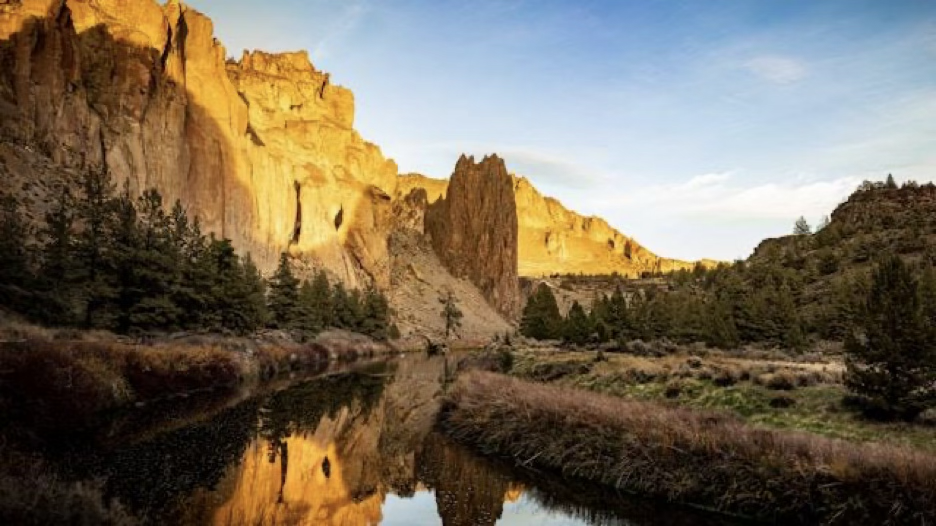
Golden cliffs tower above the winding Crooked River, creating one of the most recognizable landscapes in the state. The park glows at sunrise and sunset, when warm light highlights the rugged rock textures. Hike the River Trail for dynamic foregrounds with reflections in the water, or climb higher on Misery Ridge for sweeping views of the Cascade Range in the distance. Wildlife like golden eagles and mule deer often appear in the valley, adding a wild touch to your frames.
Tip: Use a wide-angle lens from the Misery Ridge Trail or the bridge below to capture both the cliffs and river in one frame.
Tamolitch Blue Pool
Hidden deep in the forest near McKenzie Bridge, this pool’s vivid turquoise color looks almost unreal. Fed by underground springs, it stays crystal clear year-round. The short hike through moss-draped evergreens opens to a striking contrast of emerald forest and glowing blue water, making it ideal for both wide scenic shots and macro details of the rocky edges. In the right light, you can even spot submerged logs through the water, creating surreal, layered compositions.
Tip: Visit mid-morning for the best light on the water, and use a polarizing filter to reduce glare and show off its brilliant blue tones.
Painted Hills (John Day Fossil Beds)

Layers of red, orange, and gold create an abstract masterpiece in the Painted Hills. This otherworldly spot changes color throughout the day, so plan to linger for different lighting conditions. Explore the Overlook Trail for sweeping panoramas, or the Painted Cove Trail for up-close textures that look like brushstrokes on a canvas. Overcast skies enhance the color saturation, while low-angle sunlight adds definition to the rippled terrain, perfect for experimenting with contrast and shadow.
Tip: Visit during golden hour or after rain to bring out the hills’ rich hues. A tripod and graduated ND filter help balance the bright sky and shaded valleys.
Willamette Valley & Cascades
Lush, green, and bursting with waterfalls, this region is a dream for nature photographers. The misty air, moss-covered trees, and soft, filtered light make every frame look cinematic. The Willamette Valley’s dense forests transition into the Cascade Mountains’ dramatic peaks, where rivers carve deep canyons and every bend in the trail reveals another photo-worthy scene. Spring brings peak waterfall flow, while autumn adds fiery foliage that pops against the evergreens.
Silver Falls State Park (Trail of Ten Falls)

Nicknamed the “crown jewel” of Oregon’s state parks, Silver Falls offers one of the most scenic waterfall trails in the U.S. Ten major waterfalls tumble through the temperate rainforest, some of which you can walk behind for unique perspectives. Each season you visit transforms the park. Spring delivers roaring cascades and lush moss, while Autumn’s golden leaves frame the falls like a painting. Early mornings often bring low fog that adds a moody, ethereal atmosphere perfect for long-exposure shots.
Tip: Use a slow shutter speed (½–1 second) to create silky water effects, and bring a microfiber cloth (the mist will find your lens fast!).
Mount Hood & Trillium Lake
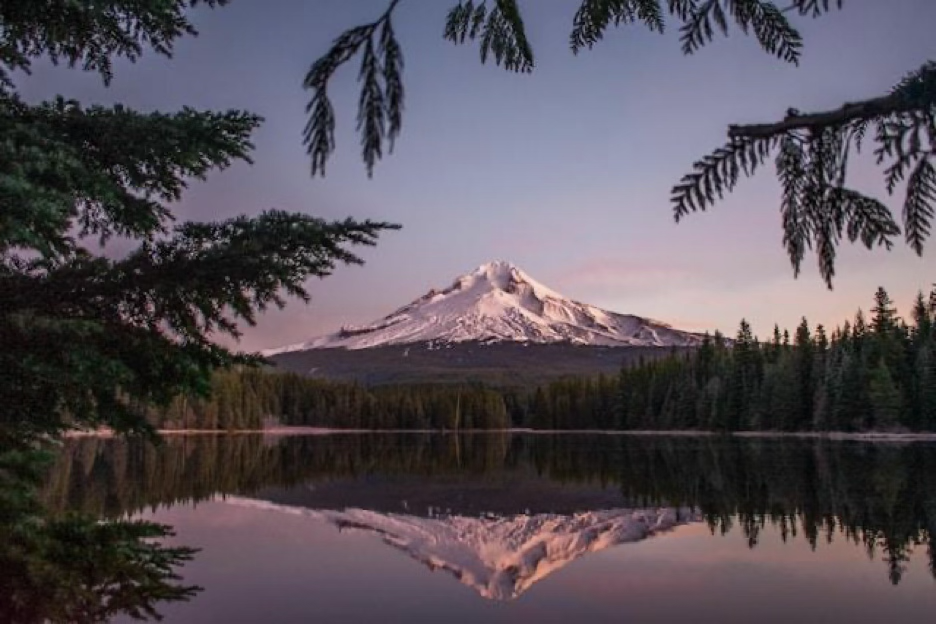
Few Oregon shots are more iconic than Mount Hood reflected perfectly in Trillium Lake. On still mornings, the water becomes a flawless mirror, doubling the beauty of Oregon’s tallest peak. In late spring and summer, wildflowers line the shore, adding splashes of pink and yellow to your compositions, while winter’s snow-covered scenes are ideal for capturing soft light and symmetry. For a fresh perspective, photograph from the dock or along the south shore trail, where subtle ripples and grasses frame the mountain perfectly. Keep an eye out for ducks, geese, and the occasional bald eagle gliding over the lake. Their reflections add movement and life to an otherwise tranquil landscape.
Tip: Arrive before dawn for reflections and calm conditions. A graduated ND filter helps balance the bright sky with the darker lake foreground.
Columbia River Gorge
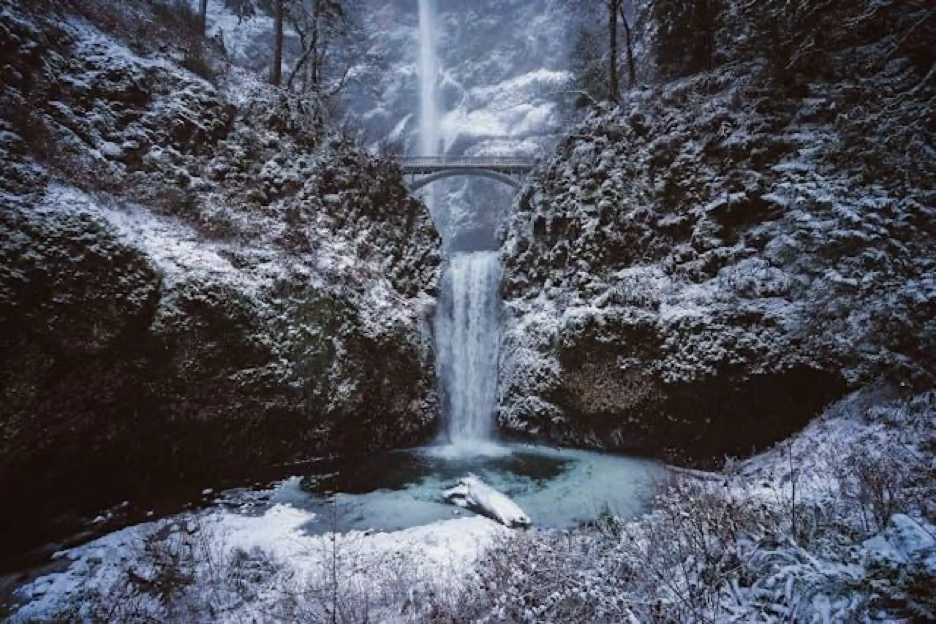
A wonderland of waterfalls and lush canyon views, the Gorge is one of Oregon’s most photographed regions for good reason. From towering Multnomah Falls to the elegant curves of Latourell Falls and the sweeping vista from Crown Point’s Vista House, every stop offers new perspectives and textures. For dramatic landscape shots, photograph from Wahkeena Falls’ footbridge or the Mosier Plateau Trail, where wildflowers frame panoramic river views. Wildlife like peregrine falcons, osprey, and black-tailed deer are often spotted along the cliffs and trails, adding movement and depth to your images. The combination of rugged cliffs, mist, and flowing water makes this area ideal for experimenting with long exposures and layered compositions.
Tip: Bring a tripod and ND filter to smooth out the waterfalls and clouds. Overcast days are perfect for capturing rich greens without harsh shadows
Oregon Coast
Wild, moody, and endlessly photogenic, the Oregon Coast offers dramatic cliffs, sea stacks, and sunsets that’ll fill your memory cards. Stretching over 360 miles, the coastline shifts constantly from misty forests and tide pools to windswept dunes and pounding surf. Each section of the coast has its own distinct mood. Keep your eyes peeled for seabirds, harbor seals, and even migrating gray whales offshore during spring and fall.
Cannon Beach & Haystack Rock
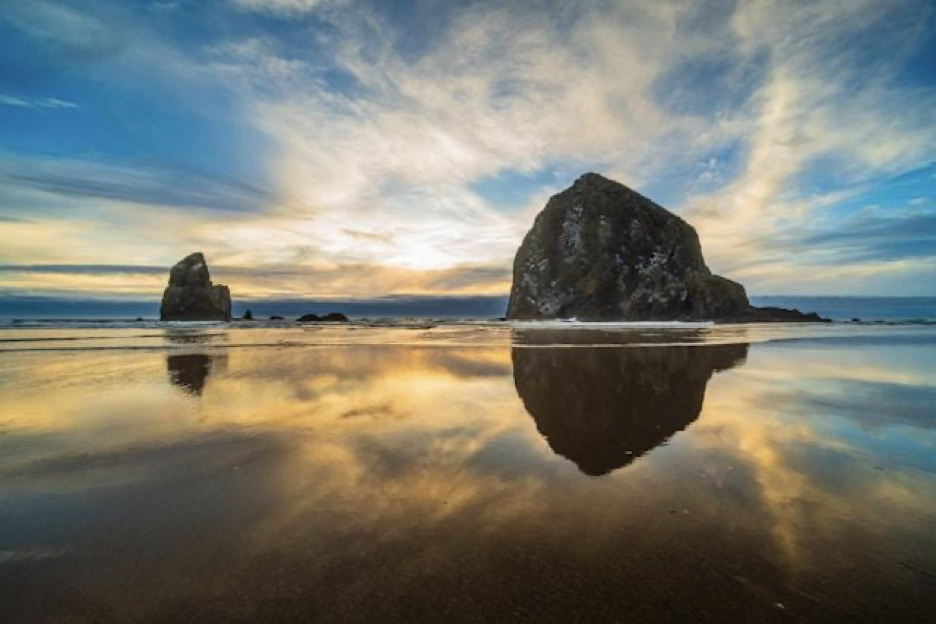
Haystack Rock is one of Oregon’s most iconic scenes. You might even recognize this famous landmark from classic films like The Goonies and Kindergarten Cop, which both featured its unmistakable silhouette. It rises from the surf like a giant sentinel. Low tide reveals colorful tide pools teeming with sea stars, anemones, and crabs; perfect for detailed macro shots. The wide beach offers excellent vantage points in every direction. Shoot from Ecola State Park for elevated coastal views, or position yourself south of the rock at sunset to capture glowing reflections in the wet sand. The nearby Indian Beach area is also a gem for moody forest-meets-sea compositions.
Tip: Capture Haystack Rock during sunset for glowing colors and mirror-like reflections.
Bandon Beach
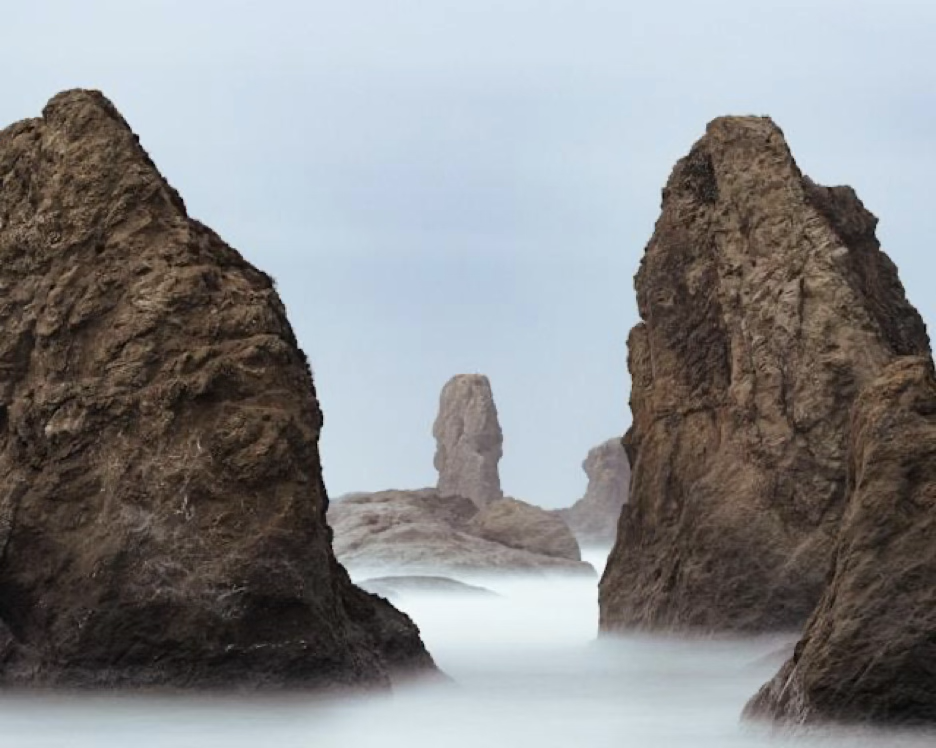
With jagged sea stacks, swirling surf, and ever-changing weather, Bandon Beach feels straight out of a dream. Sea stacks like Face Rock, Cat and Kittens, and Wizard’s Hat make perfect silhouettes against a glowing sky. The broad, reflective sand is ideal for capturing dramatic symmetry during low tide, while foggy mornings add an ethereal softness to the scene. You’ll often spot gulls, pelicans, and the occasional seal weaving through the waves. These wildlife are great for adding scale and movement to your frame.
Tip: Use foreground elements like driftwood or tidal pools to add depth to your shot.
Cape Kiwanda
Cape Kiwanda in Pacific City is one of the coast’s most dynamic photo locations. It’s known for glowing sandstone cliffs and rolling dunes. From the top of the dunes, you can frame the massive Haystack Rock of Pacific City with sweeping ocean views below. Down at beach level, waves carve interesting textures into the sand, perfect for leading lines toward the cliffs. The viewpoint near Pelican Brewing provides a classic sunset composition, often with surfers catching waves in the golden light.
Tip: Shoot at sunset when the cliffs glow orange and the waves sparkle. A telephoto lens helps capture action without getting too close.
Thor’s Well (Cape Perpetua)
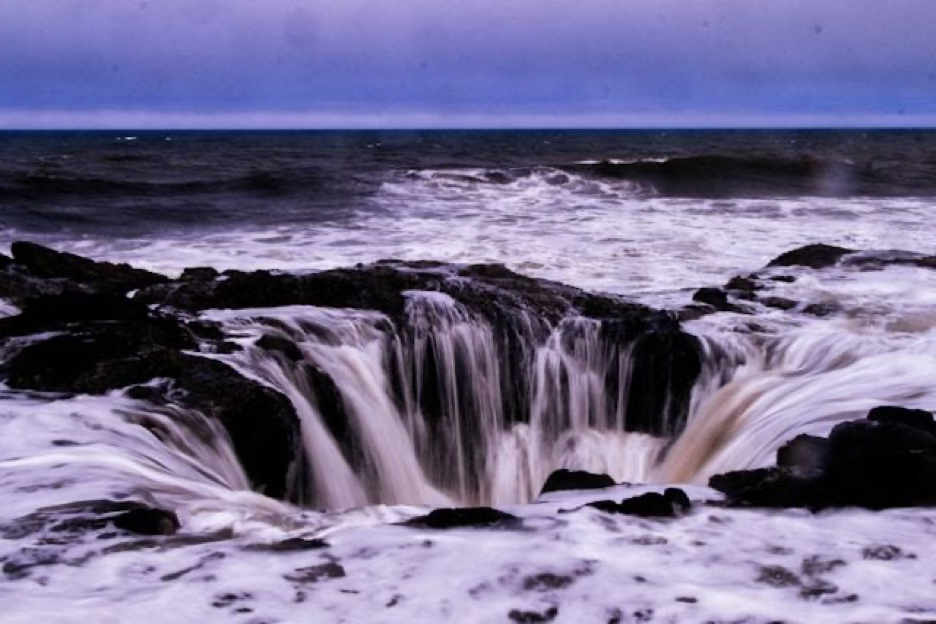
This natural “drain hole” in the Pacific Ocean creates mesmerizing movement as waves surge in and out. It’s located just south of Yachats, within the Cape Perpetua Scenic Area, where you’ll also find Cook’s Chasm and Spouting Horn, both great for capturing dramatic surf action. The best vantage point is from the basalt ledge slightly north of Thor’s Well, close enough to capture its power, but high enough to stay safe. Nearby, tide pools and crashing waves create opportunities for intimate detail shots between long exposures.
Tip: Visit at high tide and use a fast shutter speed to freeze the action. Stay well back from the edge; rogue waves are no joke.
Samuel H. Boardman Scenic Corridor
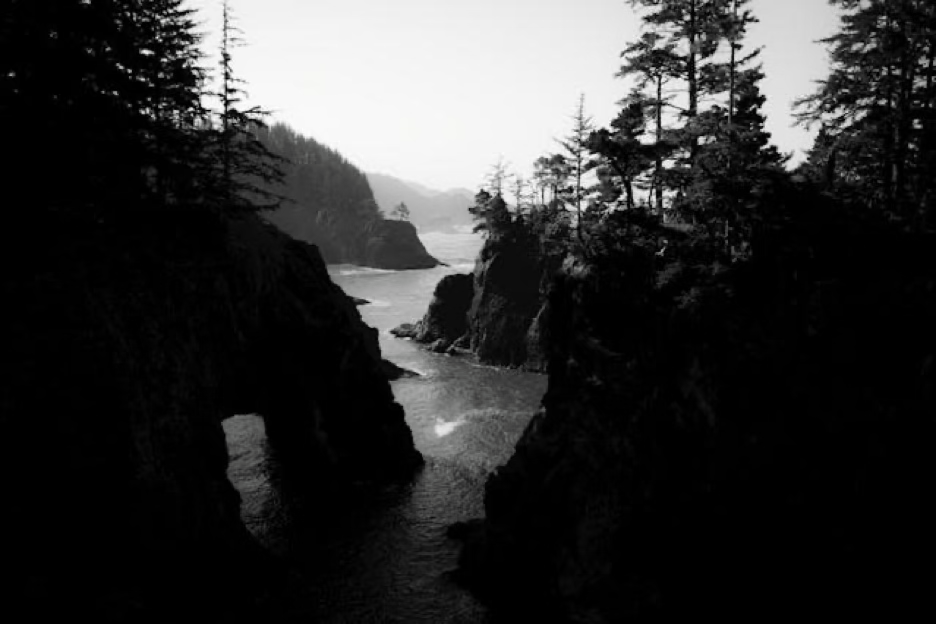
This 12-mile stretch along southern Oregon’s coast is packed with sea arches, forested cliffs, and secluded coves. It is arguably the most photogenic area in the state. The Natural Bridges viewpoint is the showstopper, where you can frame sunlight streaming through the rock arches at sunrise. Secret Beach, a short hike away, offers soft sand, sea stacks, and waterfalls spilling straight into the ocean; a must-stop for long exposure shots. For a higher perspective, stop at Arch Rock and Whaleshead Viewpoint, both offering sweeping panoramas perfect for drone or telephoto work. Bald eagles and ravens often circle the cliffs, adding motion and scale to your compositions.
Tip: The Natural Bridges viewpoint is best at sunrise when light streams through the arches. A wide-angle lens captures the full expanse.
Portland & Surrounds
Creative, green, and full of energy, Portland is where urban photography meets natural beauty. The city’s skyline sits framed by forested hills and snow-capped Mount Hood, offering endless compositions that blend city lights and nature’s glow. From architectural bridges and vibrant street art to tranquil gardens and forest parks, Portland’s mix of grit and greenery makes it a playground for photographers year-round.
Portland Cityscapes
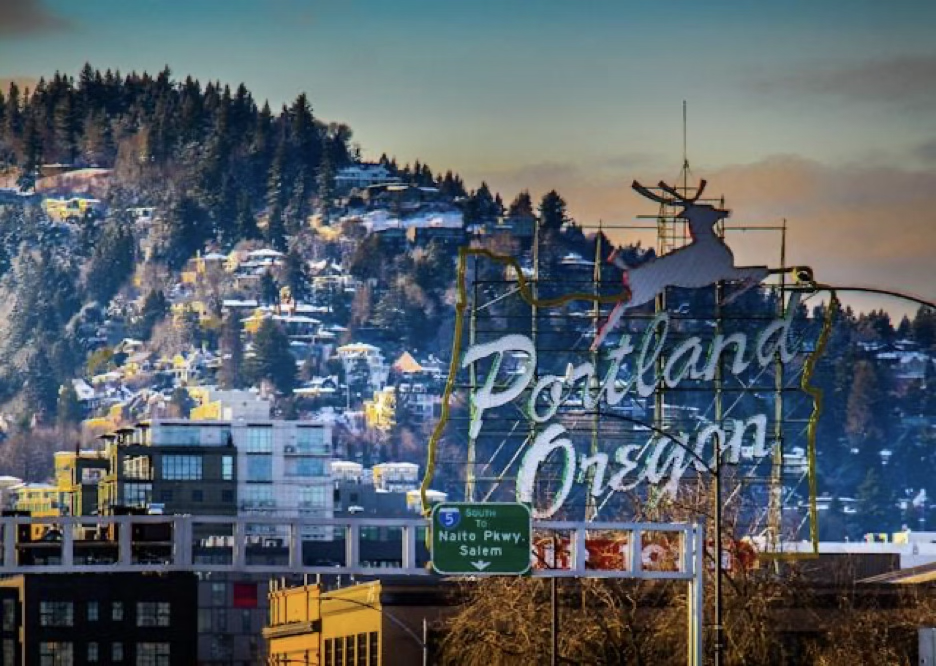
From Pittock Mansion’s panoramic skyline view to the elegant arches of the St. Johns Bridge, Portland’s cityscapes balance urban character with natural drama. Pittock Mansion offers one of the best vantage points for sunrise and early morning mist over downtown, while Eastbank Esplanade and Tilikum Crossing Bridge are ideal for capturing reflections of city lights on the Willamette River at blue hour. Don’t miss the Portland Japanese Garden, where layered compositions of pagodas, koi ponds, and delicate maples provide tranquil contrast to the bustling city. In spring, Waterfront Park comes alive with pink cherry blossoms.
Tip: Shoot during blue hour for glowing city lights and colorful skies. A tripod helps keep your images crisp in low light.
Mount Tabor Park
This elevated park provides panoramic views of downtown Portland and, on clear days, Mount Hood rising majestically in the distance. The summit is excellent for sunrise shots, with golden light spilling over the city below, while the lower trails offer shaded forest compositions featuring ferns, volcanic rock, and quiet reservoirs that reflect the surrounding trees. For city skyline photos framed by foliage, try positioning yourself near the Amphitheater overlook or the upper east trailhead. Squirrels and songbirds are frequent companions, adding movement and character to the peaceful morning atmosphere.
Tip: Visit at sunrise for golden light filtering through the trees and minimal crowds.
Hidden Gems
Tucked away from Oregon’s more famous landmarks, these hidden gems reward photographers who wander a little farther. Each one offers a quieter, more intimate experience and often, the kind of moody light, textures, and natural symmetry that define true Pacific Northwest photography.
Toketee Falls
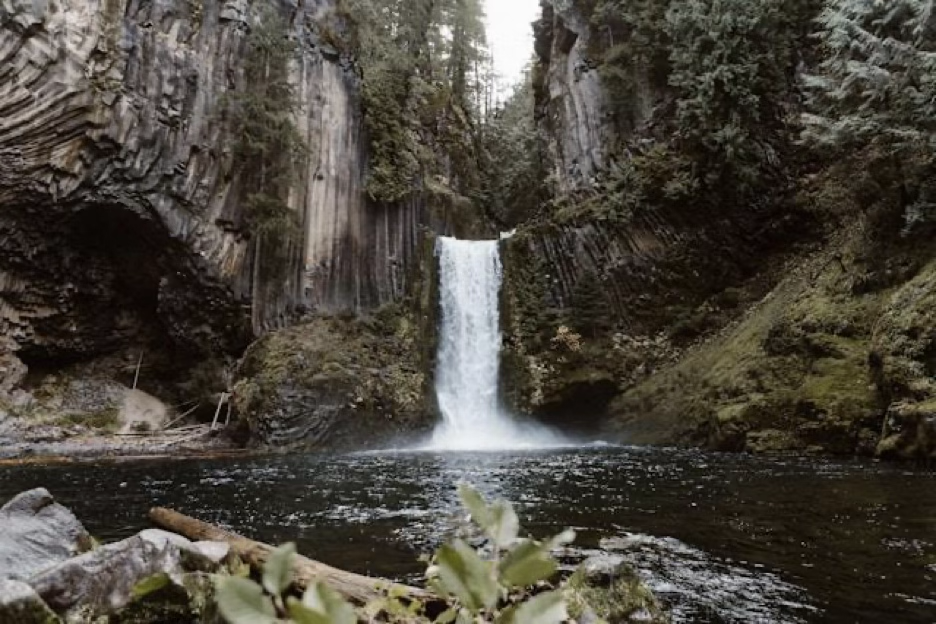
Toketee Falls feels like a secret sanctuary tucked into a basalt amphitheater. The short, shaded trail ends at a wooden viewing platform perfectly positioned for a centered shot of the turquoise plunge pool below. The rhythmic patterns of columnar basalt and the vibrant teal water create striking natural geometry, ideal for wide-angle symmetry or vertical compositions. Because it’s less crowded than nearby Crater Lake, you’ll often have it all to yourself at sunrise or on misty mornings.
Tip: Bring a wide-angle lens and shoot just after rain for misty atmosphere and saturated colors.
Proxy Falls
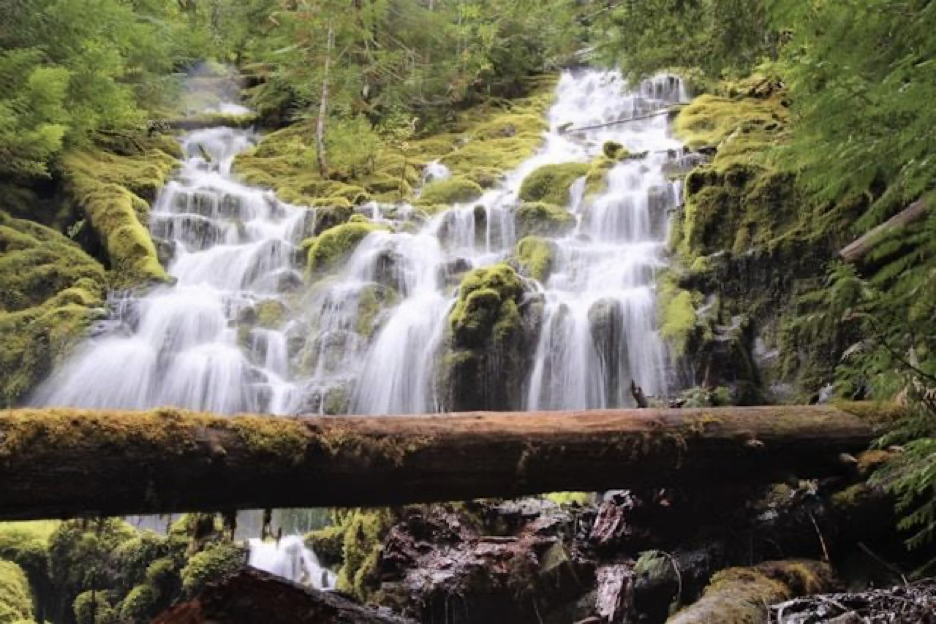
Hidden in the Three Sisters Wilderness, Proxy Falls is a lush, fairytale scene often missed by those staying on the main highway. The trail cuts through lava rock before dropping into a moss-covered canyon where water fans out over hundreds of green-coated stones. The lower viewing area is best for immersive, veil-like waterfall shots, while the upper viewpoint lets you frame the entire cascade through the trees. The constant spray creates a soft, dreamy quality perfect for long exposures. Just remember to pack a lens cloth!
Tip: Use a slow shutter and polarizer to capture the silky water while maintaining the rich greens of the forest.
Lost Lake

Often overshadowed by Trillium Lake, Lost Lake is one of Oregon’s best-kept secrets for peaceful reflections of Mount Hood. The north shore offers a classic, unobstructed view of the mountain mirrored in the calm water, while the south dock provides great leading lines at sunrise. With fewer visitors and almost no light pollution, this is a perfect spot for both golden-hour landscapes and Milky Way photography.
Tip: Early morning is best for mirror-like water and soft light over the peaks.
Planning Your Oregon Photography Road Trip
To capture all of Oregon’s top photo locations, plan a loop that takes you through the state’s most iconic landscapes. Start in Portland for skyline shots and urban views, then head east through the Columbia River Gorge for waterfalls and canyon vistas. Continue south to the Mount Hood area and Trillium Lake, on to Silver Falls State Park and the lush Willamette Valley & Cascades. From there, travel into Central Oregon before venturing farther southeast to the wild beauty of Crater Lake, the Alvord Desert, and the Owyhee Canyonlands. Finish your trip along the breathtaking Oregon Coast before looping back north.
Book accommodations early, especially during summer and fall, when campgrounds and lodges fill quickly. Use Oregon State Parks and Recreation.gov for camping reservations and park passes, and check Travel Oregon or local visitor centers for updated road and weather conditions. For insider access and backcountry expertise, consider hiring a local photo guide. They know the best overlooks, seasonal light, and hidden gems most travelers miss.
Start Your Oregon Photo Adventure
From misty forests and rugged coastlines to desert canyons and alpine lakes, Oregon offers some of the most diverse and rewarding photography opportunities in the Pacific Northwest. Each region delivers year-round beauty worth capturing.
Use this photography bucket list as your starting point to explore the top picture places in Oregon. Whether you’re planning your next photo trip or just looking for inspiration, these locations are sure to spark new ideas and help you create your best images yet.