Building emotion into photography is what separates an image you admire from one you feel. Most photographers hit a point where sharp focus, clean exposure, and polished editing are no longer enough. Sure, the photo is technically strong, but it doesn’t tug at memory, stir tension, or make you pause for a second longer than expected. That’s when you realize photography doesn’t just capture what you see, but also what’s invisible.
The Soul of the Shutter
We spend years learning exposure, composition, lens choice, and editing discipline, only to discover that precision alone doesn’t guarantee a connection. You can nail every setting and still create a frame that feels emotionally flat. A technically perfect image can still leave a viewer cold. On the other hand, a photograph with slight blur, imperfect light, or rough edges can leave a lasting impression.
That invisible element is emotion. In photography, emotion acts like a bridge between the creator’s inner world and the viewer’s subconscious response. The strongest images don’t just show a subject, place, or moment; they transfer a feeling. It might be nostalgia, solitude, joy, tension, relief, grief, hope, or something else. Emotion is a language people remember.
This article explores how to move beyond technically correct images and start creating photographs that carry real emotional weight. We’ll look at how connection, light, composition, color, environment, and editing all shape feelings in a frame, along with practical ways to train yourself to see with more empathy and intention.
The Psychology of Connection: Photographer and Subject
When you’re photographing people, the camera can act as a shield. It gives you distance, letting you observe without fully participating. That distance can protect you, but it can also block the very thing you’re trying to capture. If you want to get better at capturing raw emotion, you have to lower that barrier.
A subject who feels watched will pose. A subject who feels safe will reveal something authentic. That doesn’t mean every portrait session needs to turn into therapy, but it does mean it’s important to build trust. The way you speak, the pace you set, and the sincerity you bring all influence how your subject shows up in front of the lens. Sometimes the best thing you can do is slow down and let the person in front of you settle into themselves.
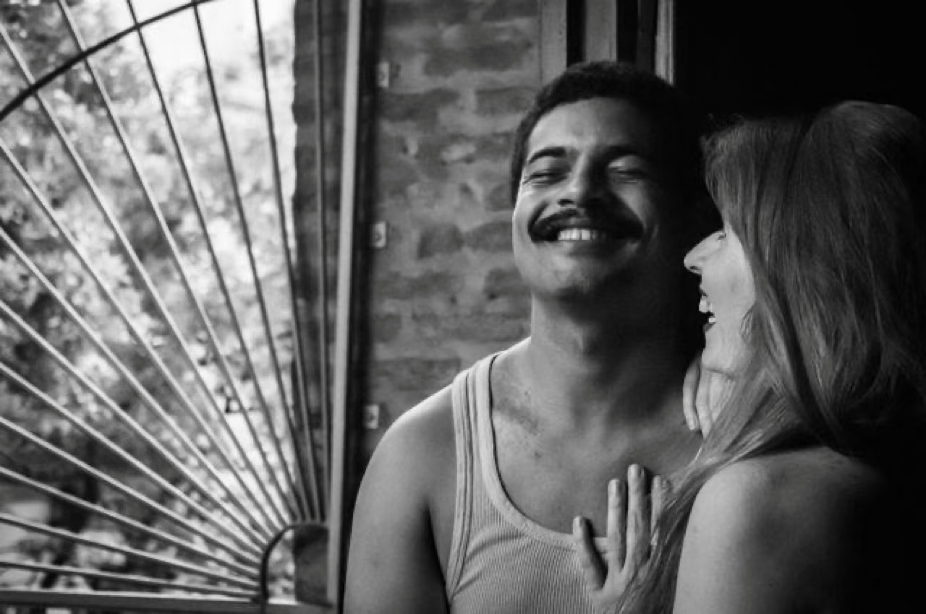
You need to be willing to feel an emotion for yourself before you can expect to capture it in someone else. If you’re disconnected, rushed, or guarded, your images will reflect that. Photography is strangely honest that way. The more vulnerable you can be as an observer, the more likely your subject will be to meet you there.
This is why patience matters more than precision. The most emotionally resonant frames most often happen between the planned moments. It’s the exhale after the smile, the glance out the window, the hands fidgeting, or the laugh that wasn’t meant for the camera. Those are the “in-between” moments, and they often carry more emotional weight than the polished frame you planned for.
A few habits can help you build stronger connection during portrait or documentary work:
- Talk before you shoot so the camera isn’t the first thing between you.
- Give simple prompts instead of rigid posing instructions.
- Keep shooting after the “official” moment seems over.
- Pay attention to body language, not just facial expression.
- Let silence do some of the work.
Lighting as an Emotional Dial
Light illuminates a subject, of course, but it also shapes the emotional tone of an image almost instantly. The way light falls can make a scene feel intimate, nostalgic, joyful, or quietly distant. This is why learning to read light emotionally is such an important part of building stronger photographs.
Let’s break down how different types of light can shape mood and help you tell a more emotionally specific story.
Emotional Weight
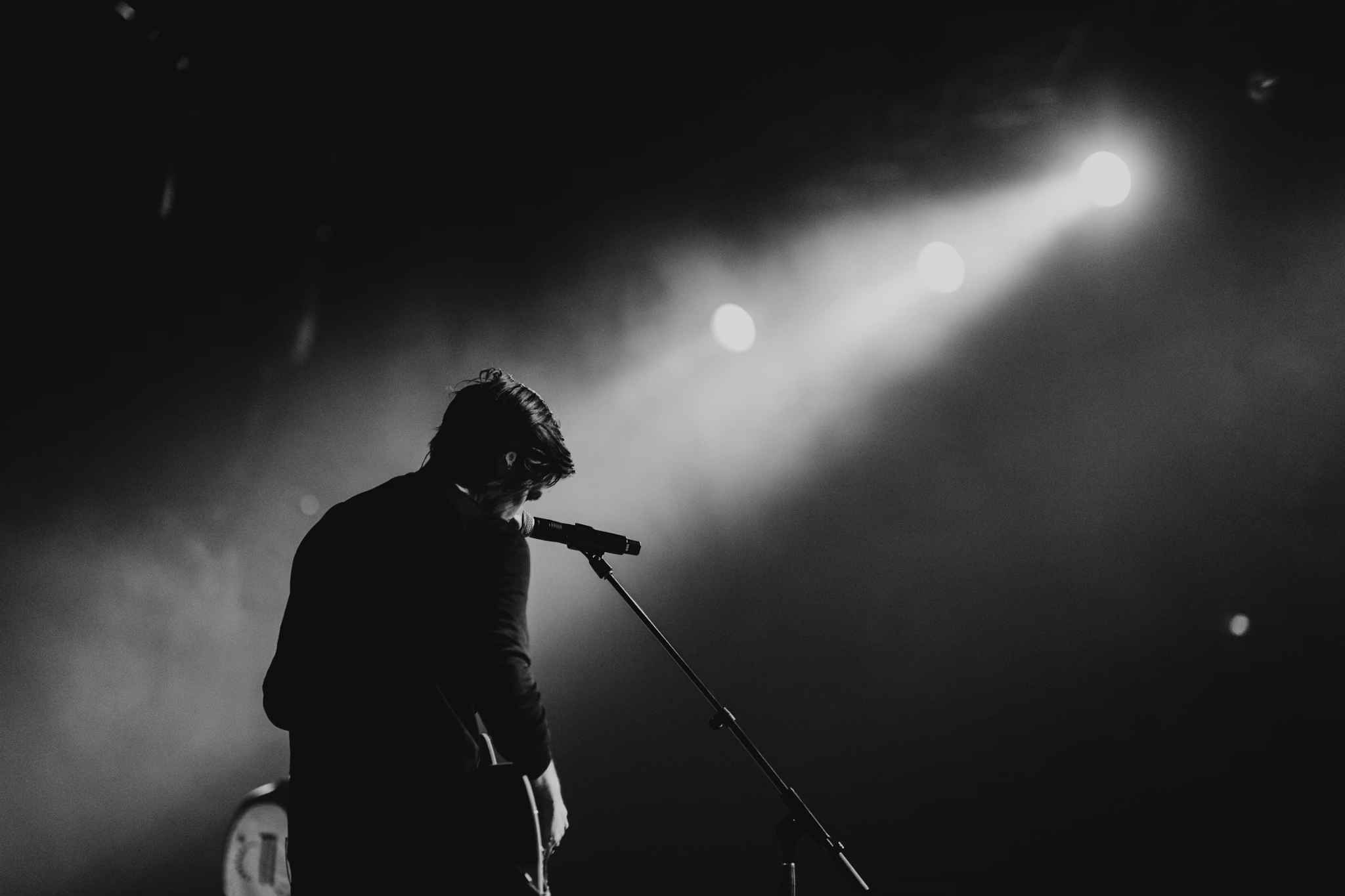
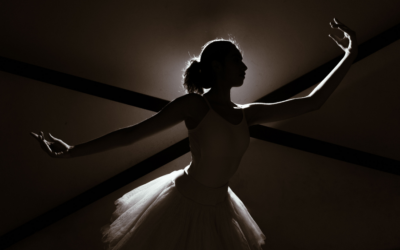
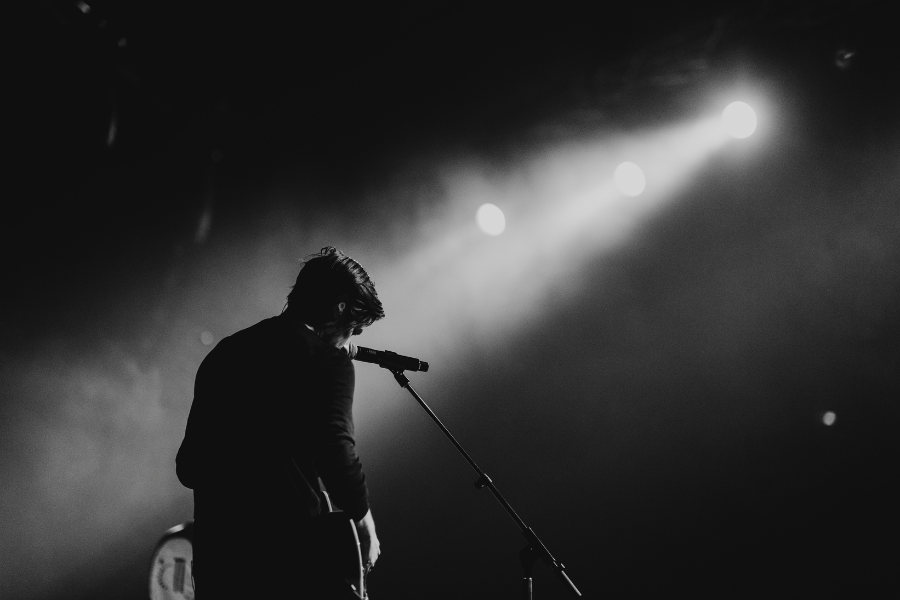
Deep shadows and strong contrast create a sense of drama, mystery, and emotional weight. This kind of lighting doesn’t reveal everything at once, which can make an image feel more private, intense, or unresolved. By allowing parts of the frame to fall into darkness, chiaroscuro invites the viewer to lean in and feel what’s left unsaid. It’s especially powerful when you want to suggest solitude, longing, tension, grief, or quiet introspection
The Warmth of Belonging
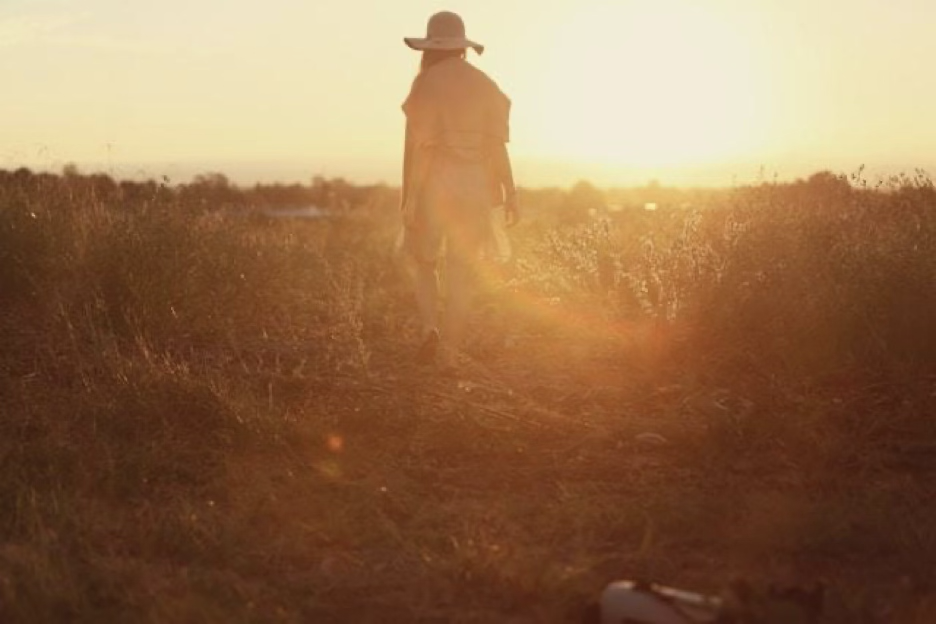
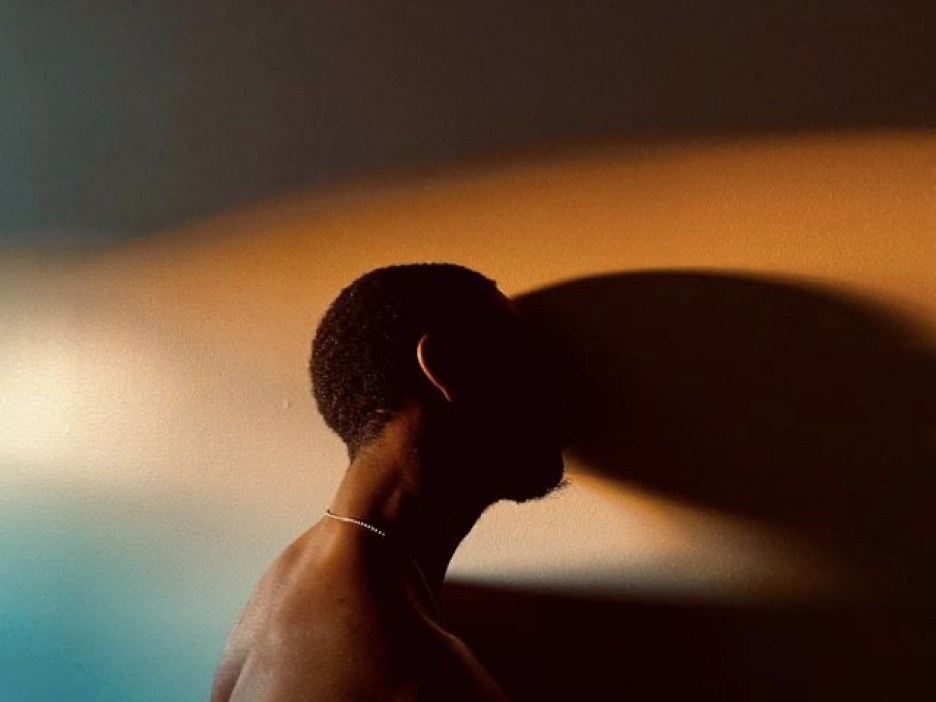
Soft, golden light in the late afternoon naturally brings a sense of comfort, memory, and belonging. It gives ordinary moments a familiar warmth that can make them feel nostalgic almost instantly, which is part of why golden hour works so beautifully for intimate storytelling.
High-Key and Vitality

Bright, airy, high-key light communicates optimism, freedom, and joy. When highlights are allowed to breathe and shadows stay minimal, the frame feels open, light, and emotionally generous. It’s a great choice when you want an image to feel fresh, hopeful, or full of life.
The Weight of Overcast Skies
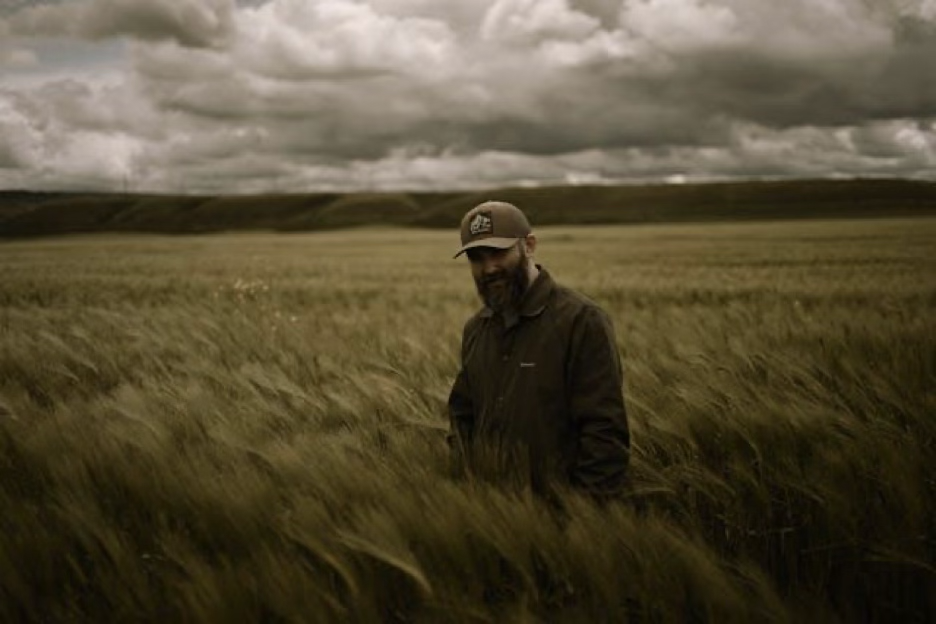
Overcast light can feel flat at first, but emotionally it carries a lot of depth. Cool tones and soft contrast often reinforce introspection, solitude, and stillness. Instead of fighting grey skies, it’s often better to lean into them and let that quiet mood become part of the story.
Compositional Architecture of Feeling
Composition is emotional architecture. Where you place a subject, how much space you leave around them, and what you choose to exclude all affect how the image lands. Small compositional decisions can completely change the emotional reading of a photograph.
Next, let’s explore how framing choices shape emotional tone, from isolation and intimacy to power and unease.
Scale and Isolation
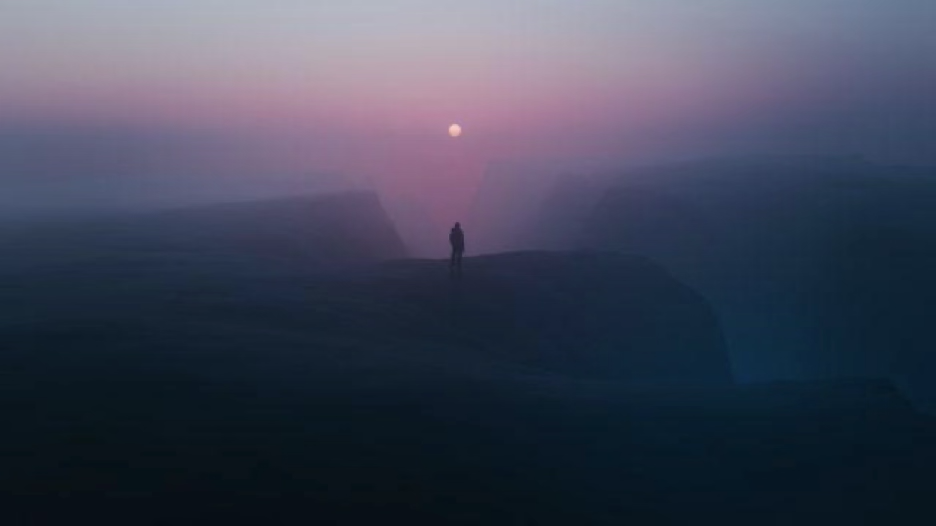
Scale is one of the most powerful compositional tools for creating emotion. Place a tiny person inside a vast landscape and the image can suddenly speak about loneliness, insignificance, freedom, or awe. Negative space becomes more than empty background. It becomes context. It tells the viewer how small the human presence feels within the world.
The Intimacy of the Close-Up
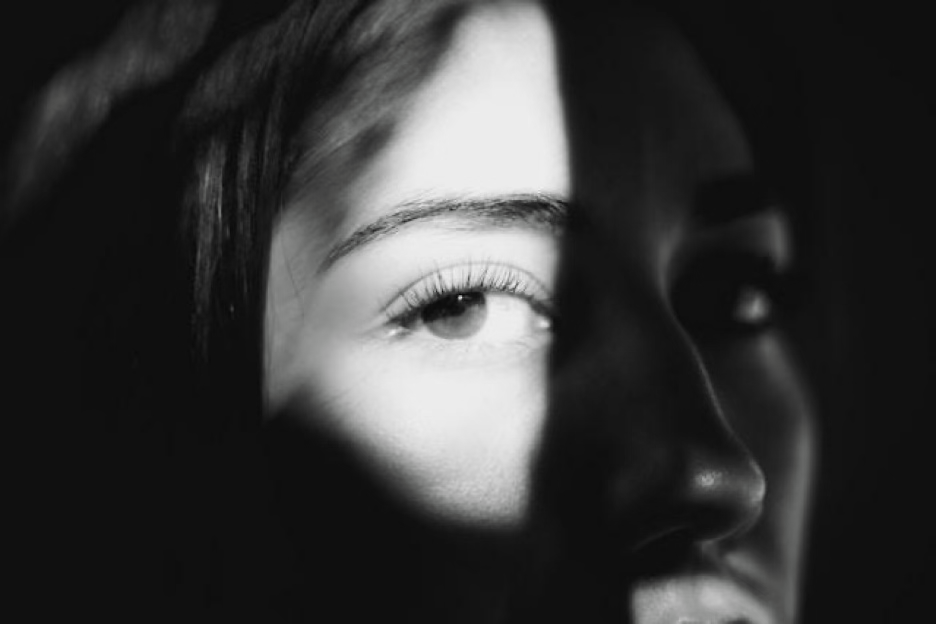
At the other end of the spectrum, a close-up can feel almost confrontational in its intimacy. Tight cropping removes distractions and forces attention onto expression, gesture, and detail. The eyes, the mouth, the tension in a hand, the texture of skin. When context disappears, emotion becomes louder. That’s why close portraits often feel more direct and emotionally powerful.
Angles and Power Dynamics

Angles influence how strong, vulnerable, dominant, or exposed a subject appears within the frame. A low angle tends to give the subject dominance, strength, or triumph. A high angle can create vulnerability, tenderness, or fragility. Neither is inherently better than the other, it just depends on what the moment is asking for. Once you start noticing angle as emotional language, you begin composing with more intention.
The Unsettling Frame

Sometimes you might use discomfort to make your point. Dutch angles, off-balance framing, partial obstructions, or chaotic compositions introduce anxiety, confusion, motion, or instability. Used carelessly, they feel gimmicky but when used intentionally, they can mirror the emotional state of a scene in a very visceral way.
When you’re deciding how to frame an image, it helps to ask:
- What emotion am I trying to amplify?
- Does the space around the subject support that feeling?
- Would getting closer or farther away strengthen the message?
- Does this angle make the subject feel powerful, exposed, distant, or fragile?
Those questions keep composition tied to emotional storytelling photography.
Color Theory as a Subconscious Language
Color communicates emotion before the brain fully realizes why. It works quietly, but it works fast. That’s why color is one of the most important tools for building emotion into photography.
Blue and cyan create calm, spaciousness, and reflection, but they can just as easily drift into sadness, detachment, or isolation. Cool tones carry emotional ambiguity, which makes them powerful. Depending on the context, they can soothe or create distance. That tension is part of what makes blue such a compelling storytelling color.

Red and orange operate differently. They intensify. Warm tones suggest passion, urgency, heat, danger, celebration, or power. They raise the emotional temperature of a frame. Used sparingly, they create strong focal pull. Used broadly, they can make an image feel alive, restless, or charged.
Muted, earthy, or desaturated tones can create nostalgia because they loosen the image from the sharpness of the present. They feel remembered rather than immediate. They suggest age, memory, or emotional residue. That’s one reason film-inspired color grading remains so effective for personal and documentary work. It doesn’t just look beautiful, it feels like a recollection.
When you’re editing for emotion, color decisions don’t have to be dramatic to matter. Small shifts in warmth, saturation, and contrast can reshape the emotional atmosphere of a frame.
Environmental and Landscape Storytelling
Emotion doesn’t only live in human faces. It lives in environments too. Landscape and documentary photographers seem to know this instinctively. A place can carry tension, resilience, peace, uncertainty, isolation, or renewal without a person appearing anywhere in the frame.
Nature often mirrors human feeling in surprisingly direct ways. For example, a gnarled tree can suggest resilience. A still lake can feel peaceful or eerie depending on the light. A path disappearing into fog can suggest uncertainty, hope, or transition. Rocky coastlines, empty roads, windswept grasslands, peeling walls, and storm clouds all carry emotional associations you can use intentionally.

Weather is especially powerful when you stop treating it like a problem to solve. Beginner photographers are often taught to chase blue skies and ideal conditions, but emotionally powerful work more often comes from the opposite. Fog hides and softens. Rain adds texture, reflection, and melancholy. Storms introduce drama and tension. Wind creates movement and unpredictability. These conditions don’t ruin the story; they are the story.
Environmental storytelling becomes stronger when you consider what the setting feels like, not just what it looks like. That shift opens up entirely new ways of seeing.
Practical Exercises to Develop an Empathetic Eye
If you want to get better at building emotion into photography, you have to practice seeing beyond surfaces. Technical growth responds well to repetition, and emotional growth does too. The difference is that you’re training perception rather than camera settings.
The following three exercises help you slow down, trust your instincts, and start recognizing emotion more intentionally in the world around you.
The “One Lens, One Emotion” Challenge
Pick a single emotion, maybe longing, relief, tension, softness, fear, joy, or anticipation, and spend a week photographing only what expresses that feeling. Use one focal length if possible. This kind of limitation pushes you to search more deeply and notice emotional patterns in gesture, light, color, weather, and space.
Shooting Without Looking
This doesn’t mean being careless. It means loosening your grip on perfection so intuition has room to work. In candid environments especially, constant screen checking can break your rhythm and disconnect you from the moment. Some of your strongest emotional images happen when instinct moves faster than analysis.
The Music Association
Try shooting or editing while listening to a specific genre, playlist, or album that matches the mood you want to create. Let the sound shape your pacing, color choices, and visual direction. It’s a simple exercise, but it can be surprisingly effective for creating a more consistent emotional tone in your work.
Post-Processing: Protecting the Feeling
Post-processing is where restraint matters. Lightroom and Photoshop are incredibly powerful, but emotional images will fall apart when they’re overworked. Heavy-handed grading, excessive skin retouching, or dramatic effects can flatten the authenticity that made the frame compelling in the first place. The goal is enhancement, not fabrication.
Editing is meant to protect and clarify emotion, not manufacture it from scratch. The strongest post-processing decisions amplify what was already present in the moment. The goal is to support mood rather than overpower it. If the feeling wasn’t in a photograph to begin with, no amount of editing will truly invent it.

Black and white remains one of the most effective ways to strip a photograph down to pure emotional structure. Without color competing for attention, the viewer tends to focus more on expression, shape, light, gesture, and contrast. It can make an image feel timeless, raw, and direct. Not every emotional photograph works better in monochrome, but if color distracts from the feeling, black and white can bring the heart of the image forward.
It’s also worth making peace with imperfection. Noise, motion blur, missed focus, and rough edges aren’t always flaws. Sometimes they make a frame feel more honest. A clinically perfect file can feel sterile. A slightly imperfect one can feel human. As photographers, we need to get better at asking not just whether an image is flawless, but whether it’s alive.
Final Thoughts: Emotion Matters More Than Perfection
Technical ability still matters. Craft gives you control, it helps you execute intention consistently, and solve problems when conditions get difficult. But once a viewer connects with a photograph emotionally, they rarely care whether you used the newest body, the sharpest prime, or the cleanest ISO setting. They remember the feeling.
That’s why building emotion into photography matters so much. Techniques change, gear becomes outdated, software gets updated, and trends come and go. But the emotional afterimage of a photograph can stay with someone for years.
If you’ve been stuck chasing technical perfection, take this as permission to loosen your grip a little. Put down the manual, step outside without needing a masterpiece, pay attention to what feels heavy, tender, strange, joyful, unresolved, or quietly beautiful. Then photograph that. Not just what it looks like, but what it feels like.
In the end, storytelling through lenses doesn’t mean showing the world exactly as it is. It means translating what it felt like to stand there in that moment and be changed by it.