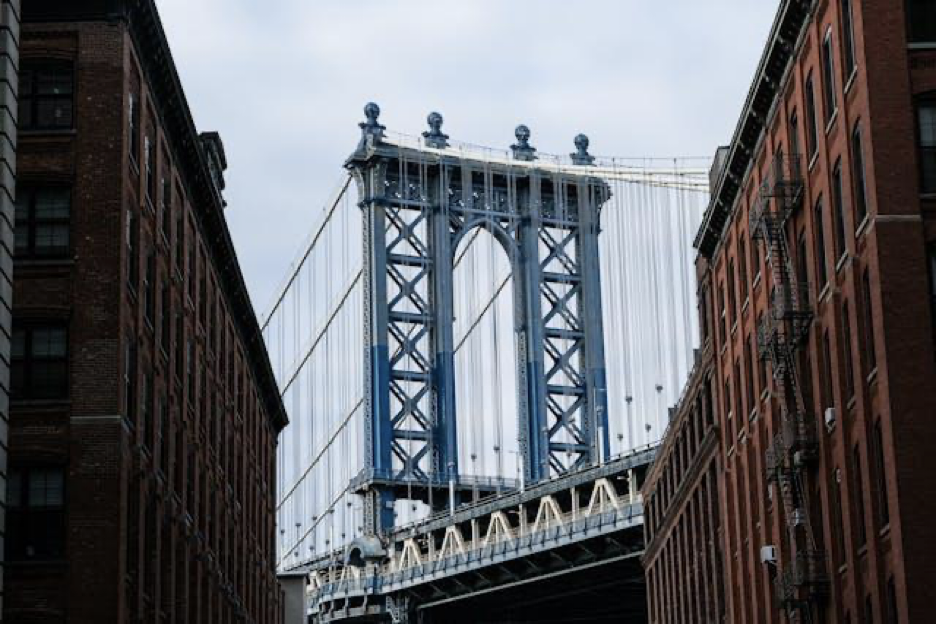
Modern skyscrapers create geometric patterns against the sky, while historic buildings showcase intricate details carved by craftsmen decades ago. Gothic cathedrals stand alongside sleek contemporary towers, creating visual conversations between past and present. Every city corner holds potential for dynamic cityscapes that capture both the grandeur and intimate details of urban design. If towering glass facades or historic brick buildings inspire you, then you should try your hand at photographing urban architecture.
But cityscape photography comes with its own set of challenges: crowded streets, harsh midday lighting, and towering structures that seem impossible to fit in your frame. With the right techniques and a bit of planning, you can transform these challenges into creative opportunities to showcase the beauty of urban environments.
This guide will provide you with tips for photographing urban architecture and teach creative techniques to capture stunning, dynamic cityscapes.
Essential Gear for Cityscape Photography
When you’re trying to capture the soul of a city, your camera equipment is a huge part of your creative toolkit. Having the right lens or accessory can seriously elevate your shots and make the whole experience a lot more enjoyable, rather than a frustrating struggle.
Here’s the essential gear that’ll help you capture incredible urban architecture and cityscapes:
- Wide-Angle Lenses: These are a necessity for grand cityscapes and fitting those massive skyscrapers into your shot without having to step back a mile. A 14-24mm is fantastic for panoramic views or entire building fronts. If you want a bit more flexibility to zoom in on details without constantly swapping lenses, a 24-70mm is a versatile option.
- Tilt-Shift Lenses: If you’re serious about architectural photography, these are the ultimate tool. They correct perspective distortion, so those tall buildings stand perfectly straight instead of leaning back. They’re an investment, but invaluable for truly professional results.
- Sturdy Tripod: Non-negotiable for low light, long exposures, and nailing that perfect composition. Pick one that’s robust enough to hold your gear steady but also light enough to carry around.
- Filters (Polarizer & ND): A polarizer will cut glare from windows and make your skies a deep, dramatic blue. This is really important in a reflective city environment. Neutral Density (ND) filters are helpful for daytime long exposures, letting you blur clouds or traffic while keeping those architectural lines tack sharp.
- Remote Release (or Camera Timer): Essential for preventing camera shake, especially with those longer exposures. Don’t let a tiny wobble ruin your perfectly sharp architectural details.
- High-capacity memory cards: For storing large RAW files and burst shots, especially during full-day or extended sessions. Reliable cards reduce the risk of data loss and allow you to focus on capturing the best images without worrying about running out of space.
Compositional Techniques for Dynamic Cityscapes
Anyone can point a camera at a skyscraper, but it takes an understanding of composition to turn that into a professional-looking shot that captures the viewer and tells a story. It’s about intentionally arranging elements within your frame to create visual harmony, guide the viewer’s eye, and evoke emotion. It might sound technical, but it’s one of the most powerful tools in your photography toolkit. Let’s dive into some key compositional techniques that will help you craft those dynamic, eye-catching cityscape images.
Leading Lines
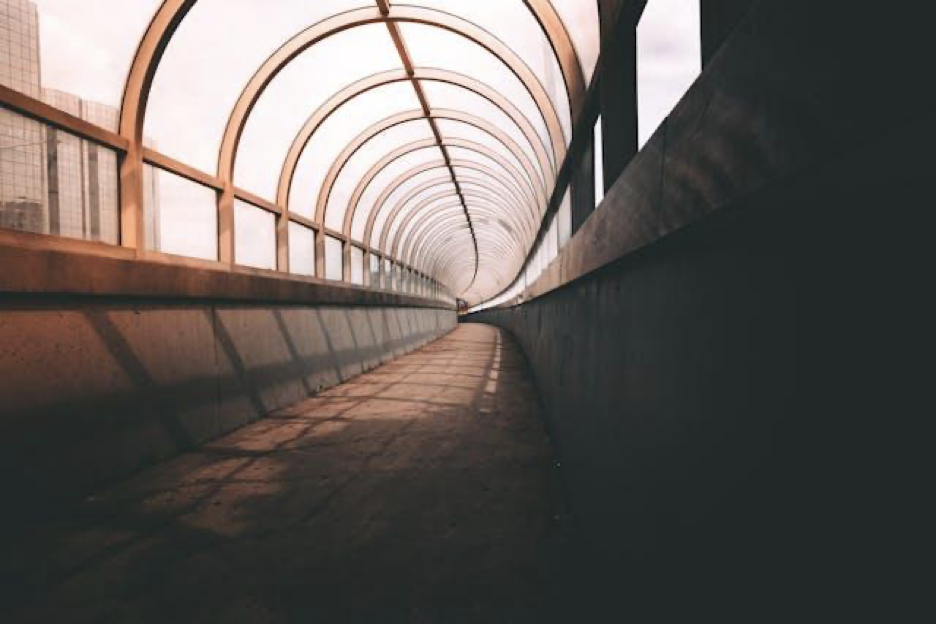
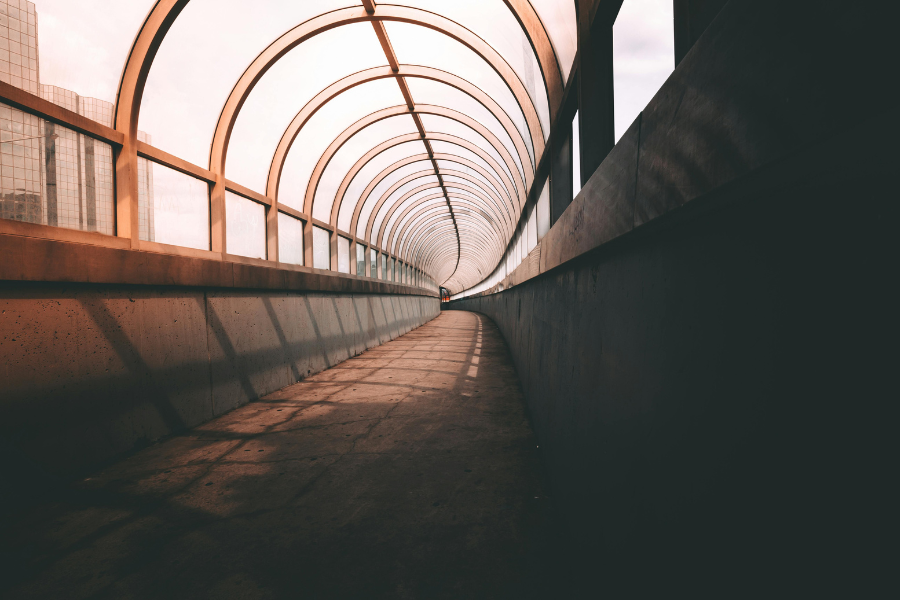
Streets, bridges, and building edges naturally guide your viewer’s eye through the frame. These linear elements create visual pathways that add depth and movement to static architectural subjects.
Actionable tip: Scout for roads, fences, tracks, or lines formed by building facades to naturally lead the viewer’s gaze toward your focal point, such as a landmark building or vanishing point. Position yourself so these lines start from the bottom corners of your frame and draw attention inward.
Framing

Urban environments offer countless natural frames, such as doorways, arches, tunnels, and even gaps between buildings. These elements create visual boundaries that focus attention on your main subject.
Actionable tip: Position yourself so that an archway, overhanging branch, or a gap between buildings frames your main subject, drawing attention and adding context. Move around until the frame complements rather than competes with your architectural focus.
Symmetry and Patterns

Cities are built on grids and repeated elements. Windows align in perfect rows, columns march across facades, and architectural details repeat in rhythmic patterns. These elements create order and visual harmony in your compositions.
Actionable tip: Find a central position and use your camera’s grid lines to ensure perfect symmetry. Look for repeating windows, columns, or tiles to create visually rhythmic images that feel balanced and intentional.
Perspective and Angles

Most people photograph buildings from eye level, but the most dynamic cityscapes often come from unexpected viewpoints. Low angles make structures appear more imposing, while elevated positions reveal patterns invisible from street level.
Actionable tip: Try shooting from ground level looking up for a dramatic effect, or seek out rooftops, balconies, and parking garages for unique overhead shots that reveal city patterns and relationships between buildings.
Foreground Interest
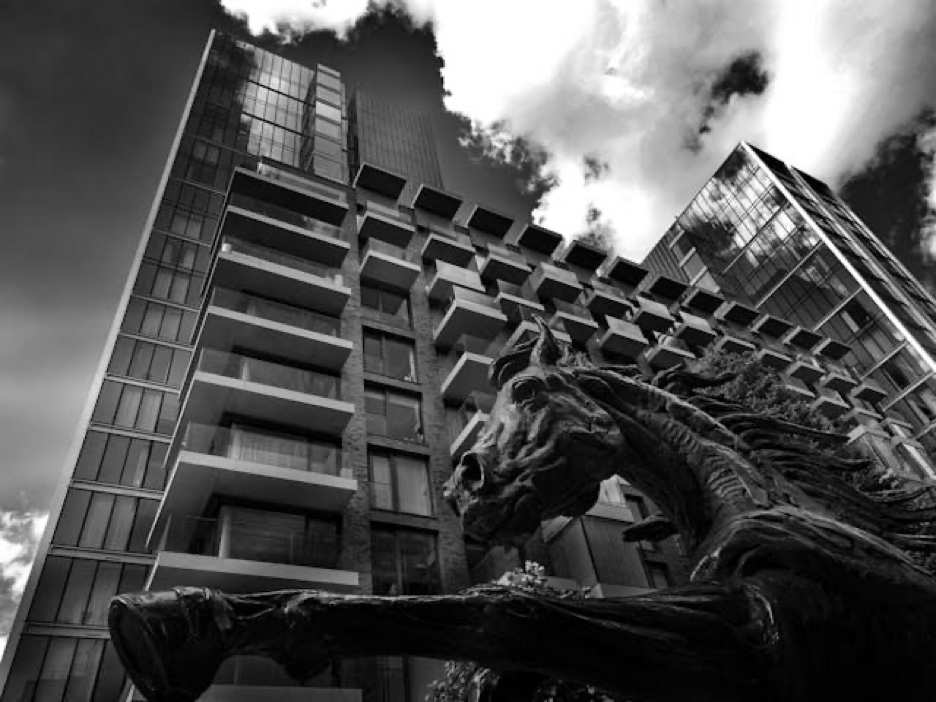
Adding elements in your foreground creates depth and scale, transforming flat-looking images into three-dimensional compositions that feel more immersive.
Actionable tip: Incorporate dynamic elements such as passing cyclists, puddles reflecting buildings, or public sculptures in the foreground to create a sense of scale and three-dimensionality. These elements help viewers understand the true size of architectural subjects.
Maximizing Light and Weather
Light has the power to transform urban architecture photography. It’s not only about what you shoot, but also when you shoot it. Understanding how to work with different lighting conditions is one of the most powerful things you can learn as a photographer, and it can dramatically improve your results.
- Golden hour and blue hour provide the most flattering light for cityscape photography. Golden hour, occurring shortly after sunrise and before sunset, bathes buildings in warm, soft light that reduces harsh shadows. Blue hour, the 20-30 minutes after sunset, creates a magical balance between the cool ambient sky light and warm artificial building illumination.
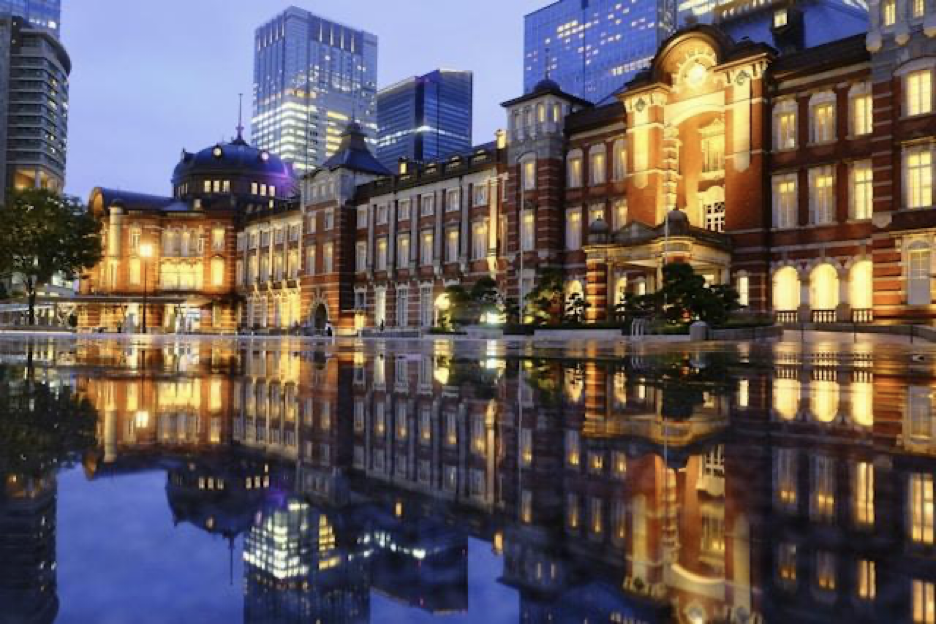
- Night photography opens up entirely different creative possibilities. City lights create dramatic contrasts, neon signs add color pops, and illuminated buildings become glowing sculptures against dark skies. Use a tripod for sharp images, and experiment with longer exposures to capture light trails from traffic.
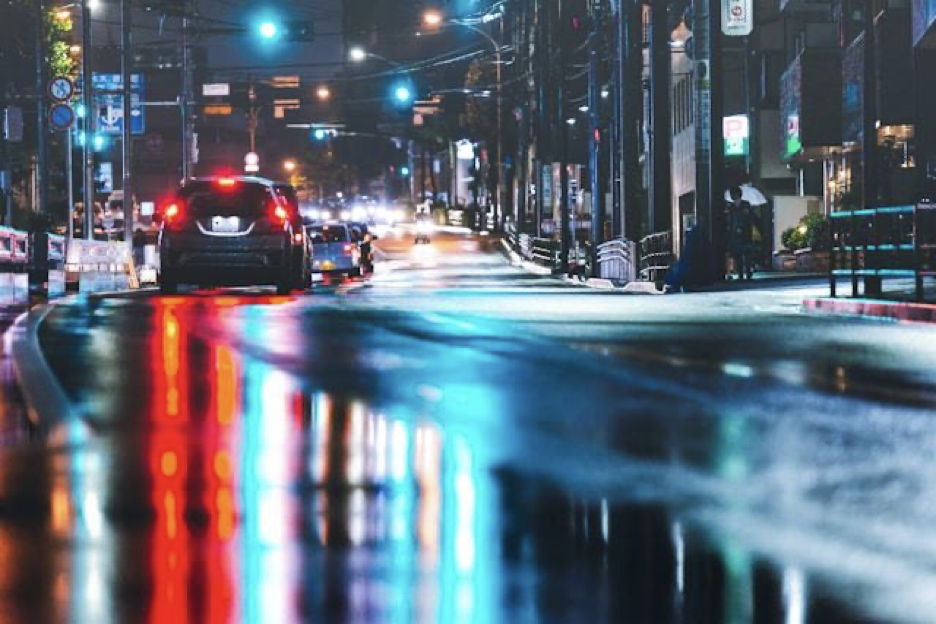
- Weather effects can dramatically enhance your urban photography. Rain creates reflective surfaces that double your visual impact, fog adds mystery and isolates individual buildings, and dramatic clouds provide texture and movement in your skies. Don’t pack up when the weather turns challenging. Instead, embrace these conditions for more dynamic results.

Highlighting Architectural Details
While wide shots showcase entire buildings, detailed photography reveals the craftsmanship and character that make urban architecture special. Focusing on these intricate elements allows photographers to highlight unique design features and convey the building’s unique story. These close-ups, when combined with wide shots, can be part of a compelling series that showcases a building’s design from multiple perspectives.

- Focus on textures and materials unique to different building eras. Modern glass creates interesting reflections and geometric patterns, while older brick and stone buildings offer rich textures and weathered surfaces that tell historical stories.
- Close-up and abstract approaches transform familiar architectural elements into artistic compositions. Window patterns become geometric art, building corners create strong diagonal lines, and surface textures turn into compelling studies in light and shadow.
Dealing with Common Challenges
Urban photography presents unique obstacles that require practical solutions.
One of the biggest hurdles is managing crowds and moving vehicles. Cities are alive, bustling with people and traffic, which can feel overwhelming when you’re trying to capture a pristine architectural shot. Patience is your ally here. Sometimes, it means waiting for that fleeting moment when the street clears. Other times, embrace the movement. Try using a long exposure to intentionally blur people into ghostly streaks or turn car headlights into vibrant light trails. This technique can add a dynamic quality to your urban scenes, emphasizing the constant flow of city life. Also, consider the timing of your shoot. Early mornings or late evenings often offer significantly fewer crowds and that beautiful, soft light photographers crave.
Next, there’s the challenge of distortion and reflections from glass and metal. Modern cityscapes are full of reflective surfaces, which can either be a photographer’s nightmare or a dream. While unwanted glare can be distracting, reflections can also be incredibly artistic. To combat harsh glare and boost colors, a polarizing filter can cut through reflections on glass, allowing you to see into buildings, or you can rotate it to intensify them. Beyond filters, experiment with your positioning. Move around, change your angle, try shooting from higher or lower vantage points. Sometimes, simply shifting a few feet can dramatically alter how reflections play in your frame. Don’t always fight the reflections; sometimes they create incredible layered compositions or surreal, abstract patterns that showcase the city’s character.
Use Cases and Inspiration
Understanding the different ways your urban architecture photographs can be used can help you focus your approach while building a varied portfolio. Let’s break it down and explore some of the most common applications.
Travel and Tourism
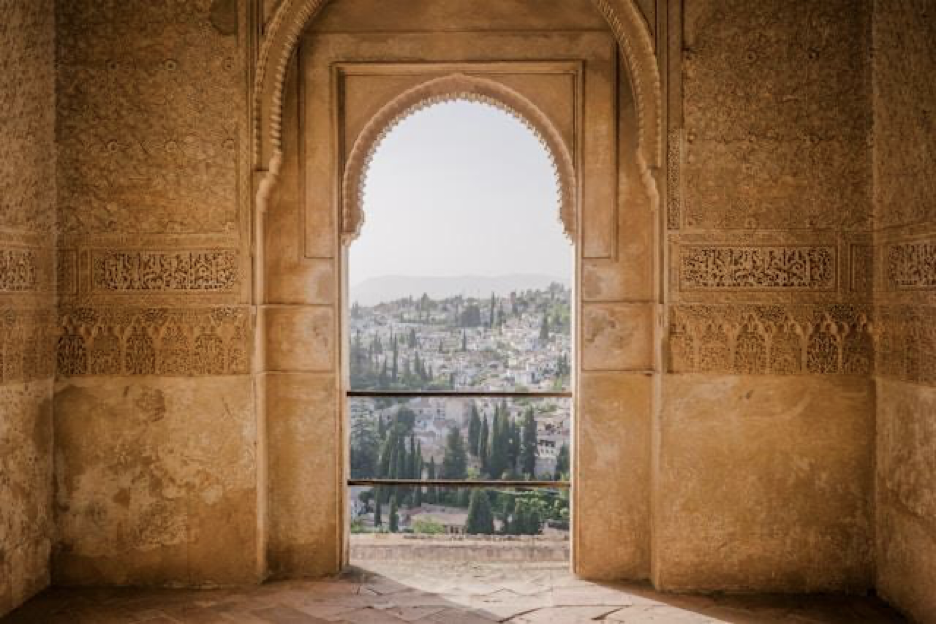
Travel and tourism photography focuses on capturing the heart and soul of a location. Think of iconic landmarks and distinctive skylines that instantly remind you of a particular place, like the Eiffel Tower in Paris or the Brooklyn Bridge in New York. These images need to be instantly recognizable and highlight what makes each city unique. If you’re shooting for travel magazines or tourism campaigns, aim to capture the location in its best light, literally and figuratively.
Fine Art and Abstract

Fine art and abstract photography takes a different approach, leaning into creativity and interpretation. Instead of focusing on the obvious, this style emphasizes shapes, patterns, textures, and the interplay of light and shadow in urban spaces. A row of windows on a high-rise, the geometric lines of a modern building, or the reflections in a puddle after rain can all become works of art. These kinds of shots are perfect for gallery displays, prints, or decorative art for homes and offices. Don’t be afraid to experiment. Sometimes the most unexpected angles create the most striking images.
Commercial Photography

Commercial photography is where technical precision takes center stage. If you’re shooting for real estate, architectural firms, or marketing purposes, your images need to clearly showcase the structure’s features while making it look as good as possible. This means paying extra attention to your composition and lighting. For example, real estate photos should feel inviting and spacious, while architectural photography should highlight the design and craftsmanship of a building. Using tools like a tilt-shift lens can help you avoid distortion and keep your lines perfect.
Social Media

Here, the goal is to create images that grab attention and are highly shareable. Bold compositions, vibrant colors, and photos of recognizable locations can really help your work stand out on platforms like Instagram or Facebook. Think of shots that stop someone mid-scroll—a bustling street market full of color, a creative perspective of a landmark, or a quirky detail that tells a story. Don’t be afraid to let your personal style shine here; social media is a great place to get creative and connect with your audience.
Each of these applications has its own demands, but they all share one important goal: telling a story through your images. So next time you’re out with your camera, think about how your shots might fit into these different categories. Whether you’re shooting for clients, galleries, or just for fun, there’s always room to grow and explore.
Tips for Continuous Improvement
Photographing urban architecture combines technical skill with creative vision, rewarding you with images that celebrate human achievement and artistic expression. The techniques covered here provide a foundation for developing your own style and approach to cityscape photography.
Here are some tips to help you continue to improve your skills beyond the technical and evolve your creative perspective:
- Start exploring your own city with fresh eyes. Visit the same locations at different times of day and throughout the seasons. Morning light reveals details invisible at noon, while winter snow transforms familiar buildings into entirely different subjects. Discover how each visit offers new perspectives and learning opportunities.
- Study architecture and design, beyond just photographing it. Understanding building styles and historical context enriches your images with deeper meaning. The stories behind buildings can inspire more compelling compositions than purely aesthetic approaches.
- Remember that the most rewarding urban photography often happens in overlooked places. While capturing grand landmarks can be thrilling, some of the most unforgettable photos come from exploring tucked-away alleys, local neighborhoods, or even construction sites that reveal the raw, evolving character of urban spaces.
Start Your Journey into Urban Architecture Photography

Cityscape photography can feel overwhelming at first, tall buildings, busy streets, unpredictable weather, but that’s exactly what makes it so exciting. With the right gear, a good eye for composition, and a willingness to embrace the chaos, you can turn those challenges into some of your most creative shots. Remember, you’re not just photographing buildings. You’re capturing the energy and personality of a city, whether that’s a grand skyline or a quiet detail hidden down a side street.
The best tip of all is to keep experimenting and exploring. Go out at different times of day, try unique angles, and don’t be afraid to get a little unconventional. Every shoot teaches you something new, and over time you’ll develop a style that’s all your own.