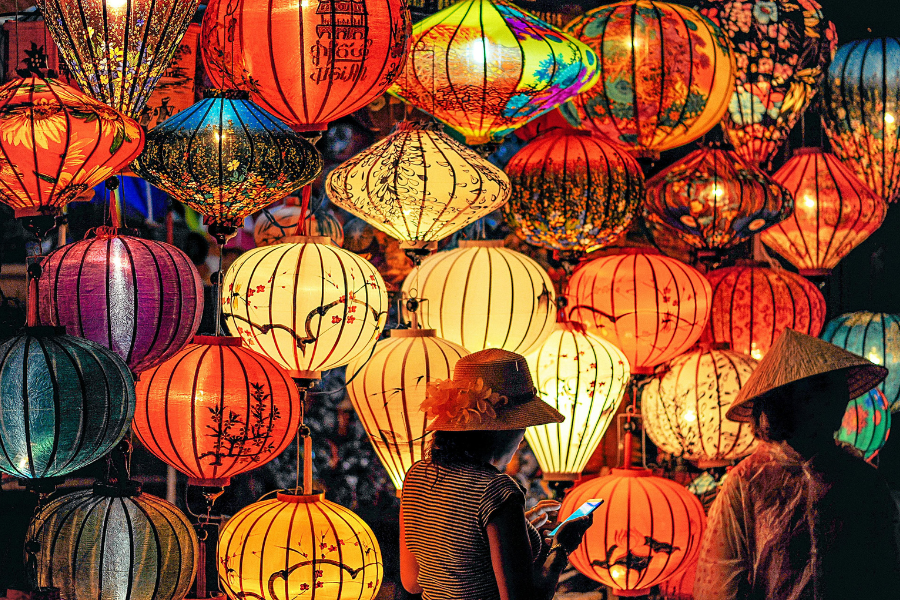
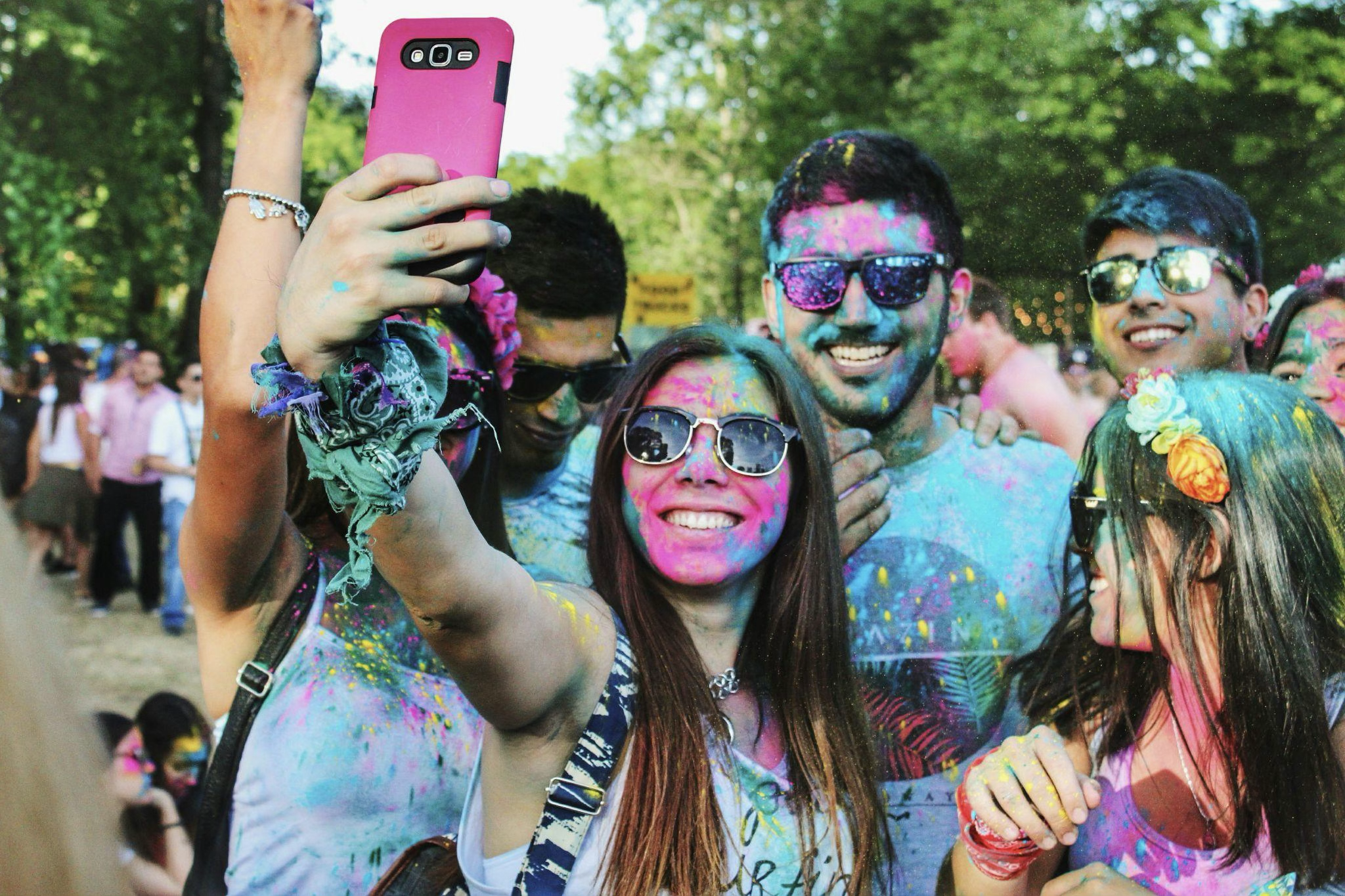
Festivals, parades, and public celebrations are among the most exciting, and challenging, subjects a photographer can tackle. The energy is electric, the colors are bold, and every moment is fleeting. Whether it’s a small-town parade, a cultural festival, or a city-wide street fair, photographing festivals and public events offers endless opportunities for storytelling and connection.
But with large crowds and fast-paced action, it takes planning, awareness, and adaptability to capture the essence of an event. This guide will walk you through everything you need to know, from preparation and camera techniques to cultural sensitivity and storytelling, so you can confidently document authentic moments wherever your next event takes you.
Preparing for Success
Before you dive into the crowd with your camera, preparation is key. A bit of research and smart planning can make the difference between rushed snapshots and images that truly tell the story of the celebration.
Research the Event
Before heading out, learn as much as you can about the event’s schedule, traditions, and key moments. Knowing when parades start, performances peak, or fireworks launch helps you anticipate the best opportunities. Look at photos from past events to get a sense of typical scenes, lighting, and crowd flow. Check event websites, local tourism boards, or social media pages for maps, routes, and photography guidelines. Understanding any cultural or religious customs ensures your images are both beautiful and respectful.
Gear Checklist
Pack light but smart. You’ll want versatility without being weighed down:
- Camera: A DSLR or mirrorless with quick autofocus and good low-light performance.
- Lenses: A wide-angle for crowd scenes, a midrange zoom for flexibility, and a telephoto for stage or parade shots.
- Extras: Extra batteries, memory cards, a microfiber cloth, and a small rain cover.
- Camera Bag: A crossbody or waist pack keeps essentials close and your hands free.
- Optional: A lightweight monopod or compact tripod for evening events or fireworks.
Dress the Part
Blend in and stay comfortable. Wear breathable clothing, closed-toe shoes, and neutral colors that don’t attract attention. A hat and sunscreen are musts for daytime events, and layers will keep you comfortable as light and temperature shift.
Permissions and Access
Some festivals welcome all photographers; others require permits or media passes. If you’re covering the event professionally, contact organizers in advance to request credentials or access to restricted areas. Always review event photography policies, especially if minors or cultural ceremonies are involved.
Composing Dynamic Shots
Festivals move fast and unfold in every direction. When shooting an event, it’s best to think like a storyteller; using composition, timing, and perspective to capture the energy, emotion, and rhythm of the crowd. Let’s explore how to balance big, sweeping crowd shots with intimate details, work with movement and expression, and frame your images in ways that make viewers feel like they’re part of the action.
Capture the Atmosphere
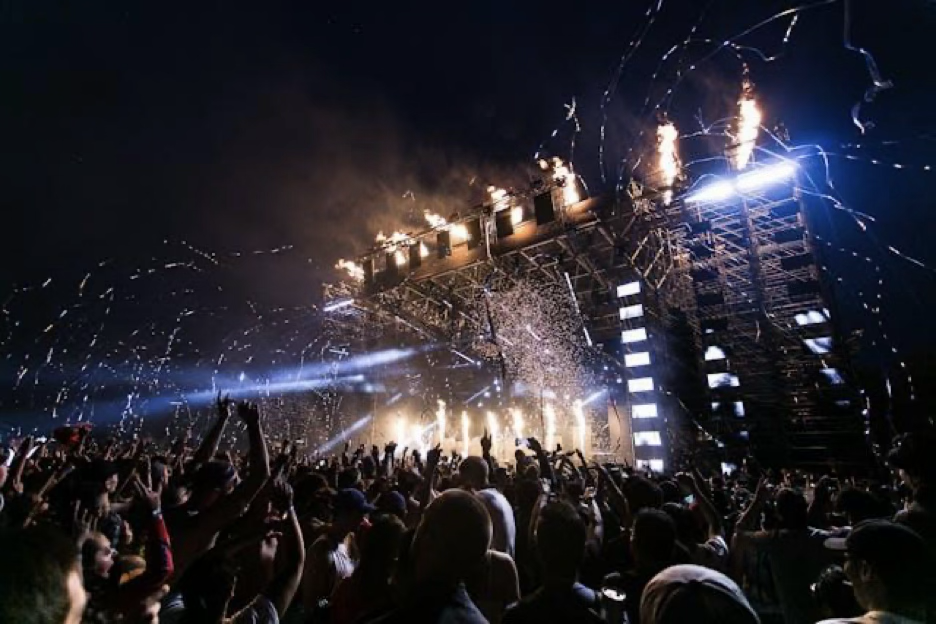
Wide shots set the stage. Step back to include crowds, decorations, banners, or iconic landmarks that define the event. Use elevated positions such as balconies, stairs, or even park benches to create depth and context in your images.
Candid vs. Posed
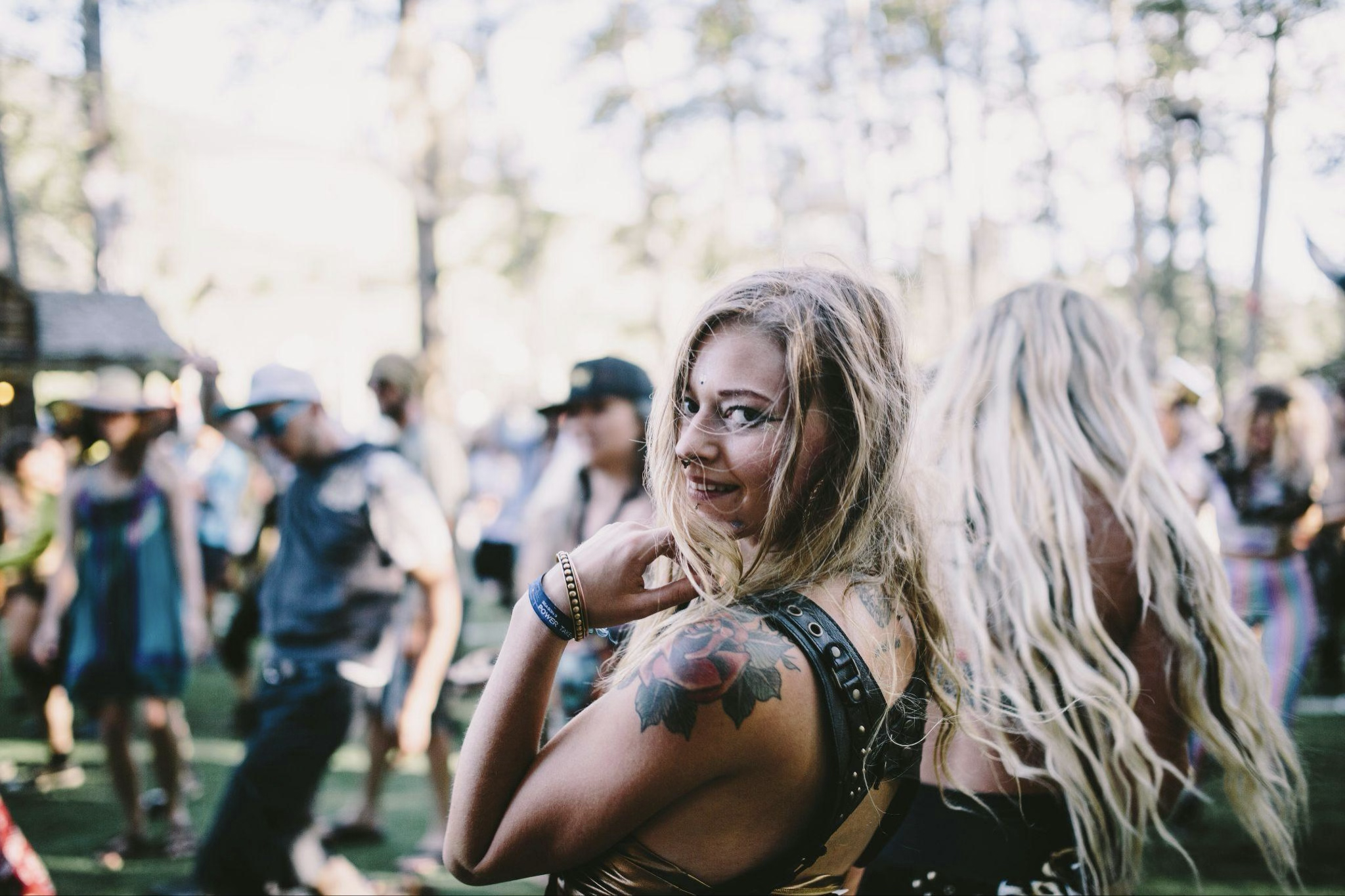
Candid moments capture genuine emotion: laughter, dancing, cheering. But don’t overlook posed portraits. Performers and participants often appreciate being photographed in costume. A friendly smile or thumbs-up before shooting goes a long way toward earning cooperation and trust.
Action and Emotion
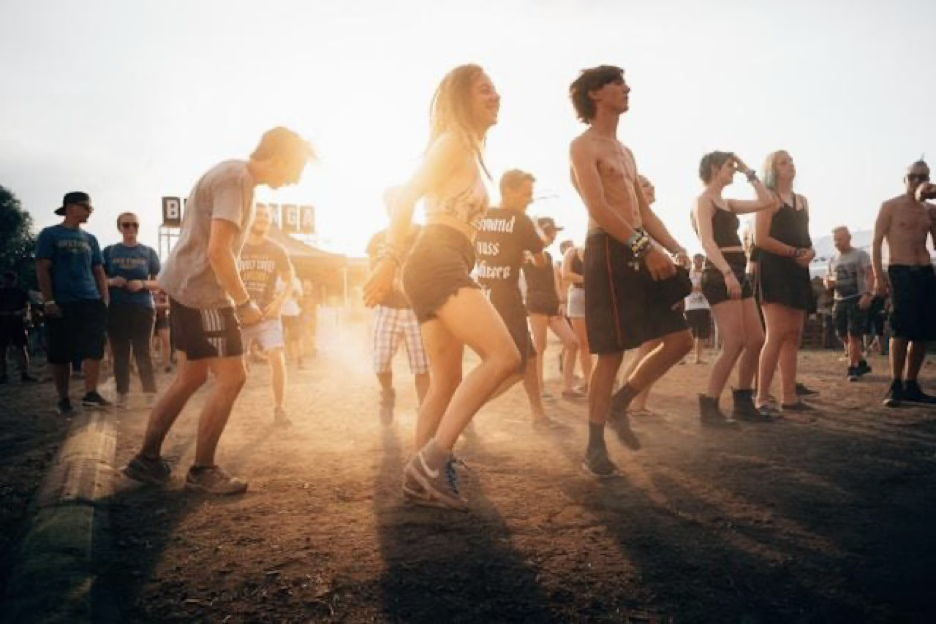
Festivals are full of movement, whether from dancers, parades, confetti, or reaction shots. Use fast shutter speeds (1/500 or higher) to freeze motion, or experiment with slower speeds and panning for artistic blur. Focus on faces to capture joy, pride, and excitement. These shots are what make event photos come alive.
Details Matter
Don’t just shoot the big picture. Zoom in on colorful masks, flags waving, or plates of food being shared. These details give context and texture to your photo story and help convey the atmosphere beyond the crowd shots. For example, if it’s a music festival, focus on hands playing instruments or fans swaying to the beat; if you’re at a cultural parade, capture the intricate patterns of costumes or dancers mid-twirl to bring your viewer closer to the experience.
Lighting and Technical Considerations
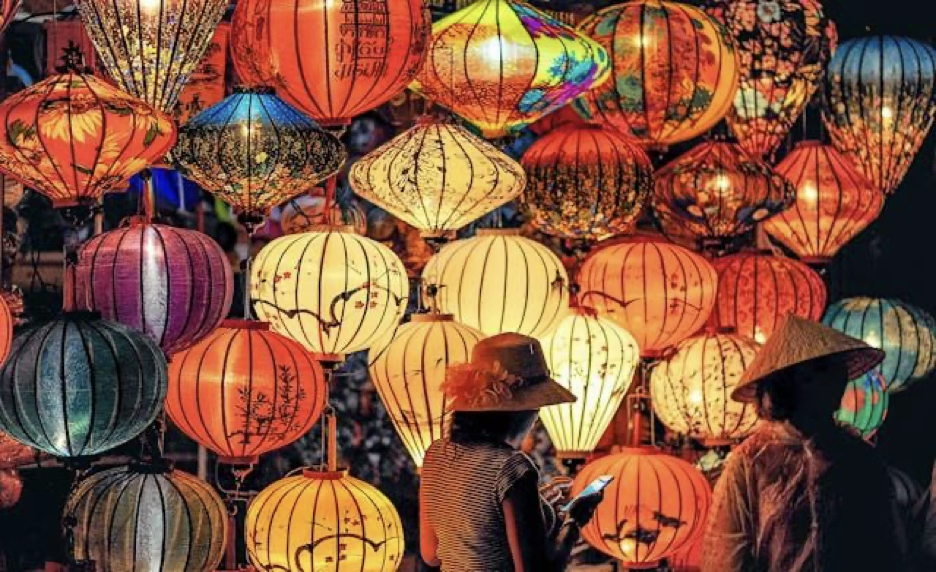
Lighting at festivals can change dramatically throughout the day, so adaptability is key. In bright midday sun, use your lens hood and a polarizing filter to control glare and deepen color, or step into shaded areas for softer portraits. As the sun sets and artificial lights appear, open your aperture (f/2.8–f/4) and raise your ISO to maintain clarity without motion blur. At night, embrace ambient light sources like lanterns, string lights, or stage LEDs, as they create atmosphere and often tell a more authentic story than harsh flash ever could.
For most conditions, a fast shutter speed (1/500–1/1000) helps freeze motion, while a moderate aperture (f/4–f/8) provides enough depth for group shots or moving subjects. When light fades, adjust ISO thoughtfully to avoid excessive grain, and rely on burst mode or continuous autofocus to stay sharp amid action.
If you must use flash, use a diffuser or bounce it off nearby surfaces for natural results, and always be mindful of etiquette. Avoid using it during performances, ceremonies, or in front of sensitive subjects.
Navigating Crowds and Movement
Photographing in crowds requires complete awareness and adaptability. Arrive early to find the best vantage points. Corners, elevated steps, or near intersections often provide the clearest view. Move naturally with the crowd, being mindful not to block participants or interrupt the flow of the event.
Keep your gear secure and within reach; a crossbody strap or anti-theft backpack helps protect your equipment while allowing quick movement. Stay alert and hydrated, and remember that your own safety comes first in any situation.
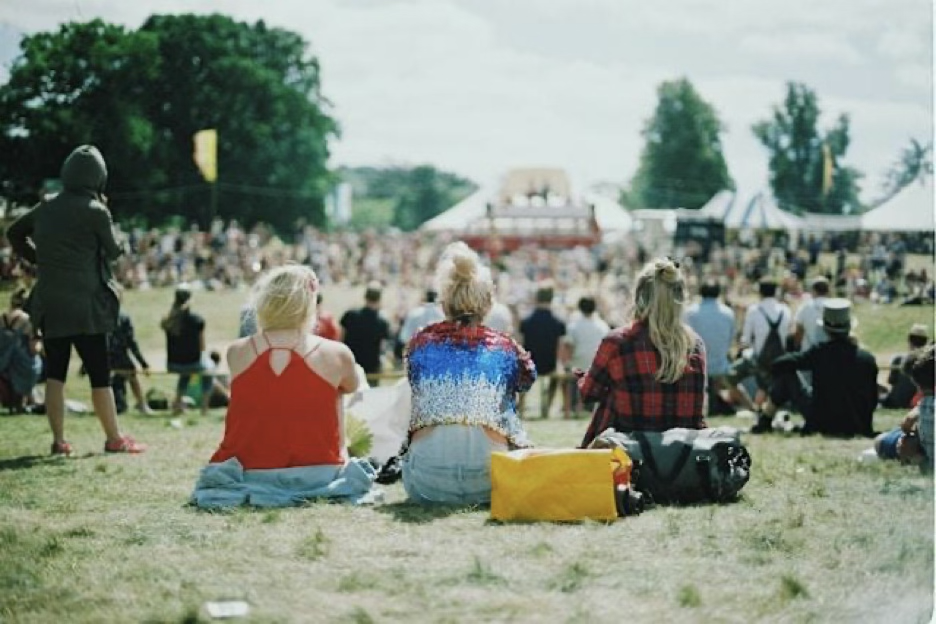
The most memorable shots often happen before or after the main attraction: performers preparing backstage, children waving flags, or fans waiting in anticipation. If you’re at a concert, capture musicians tuning their instruments. At a food festival, focus on chefs plating dishes or vendors grilling behind their stalls. These in-between moments reveal the human side of the celebration and often tell a more authentic story than the main stage ever could. Anticipation and observation are your best tools for capturing them.
Ethical and Cultural Sensitivity
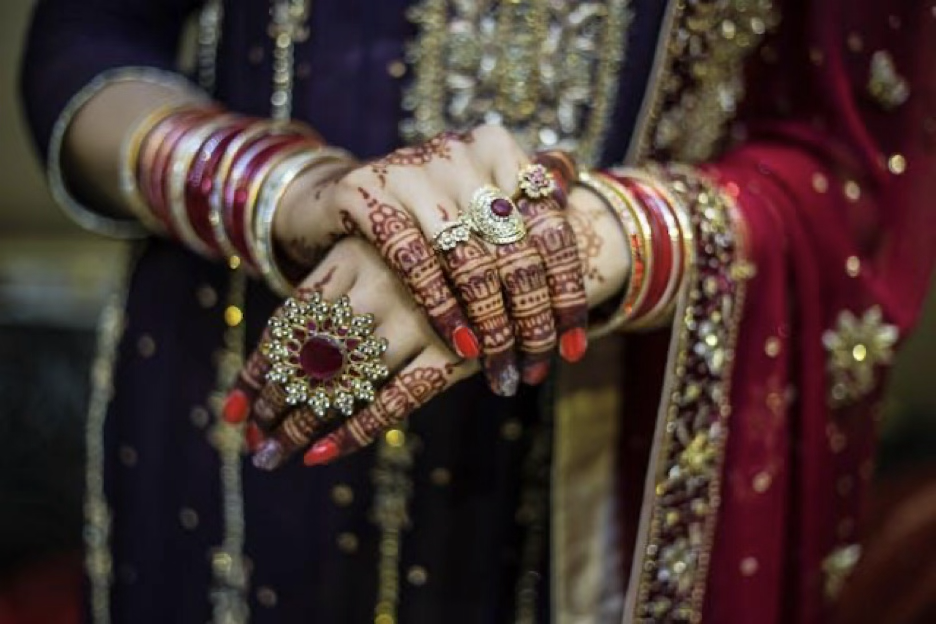
Photography is not just about skill and timing, it’s also about respect. Festivals often blend diverse communities, traditions, and beliefs, so every image you capture carries the responsibility of representing people truthfully and respectfully. It’s up to you to navigate the balance between artistic freedom and ethical awareness.
Respecting Privacy
Not everyone wants to be photographed. Avoid photographing children’s faces without parental consent, private ceremonies, or anyone who appears uncomfortable. Use discretion, especially at religious or memorial events. Think about how your images will be perceived. Portray people with dignity, not as curiosities.
Seeking Consent
When possible, make eye contact and smile before taking someone’s photo. A quick gesture of permission goes a long way toward building trust. If someone declines, respect their wishes immediately. In smaller community events, asking permission might even open doors to more personal stories or introductions to other participants.
Honoring Traditions
Every culture has its own approach to photography. Some festivals welcome cameras freely, while others have sacred elements that should not be photographed. When in doubt, ask an organizer or participant for guidance. Being informed not only shows respect but can also earn you deeper access and trust, allowing for more meaningful images.
Post-Processing and Sharing
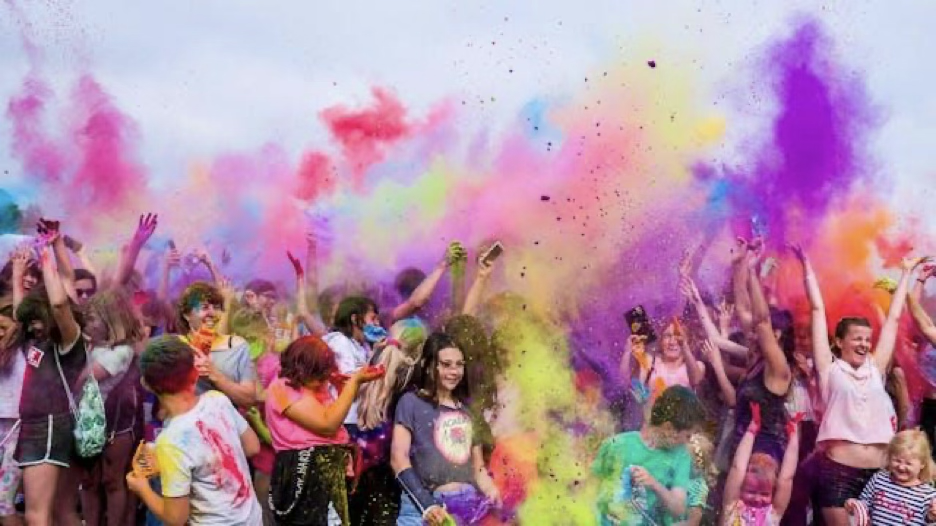
After an event, the real story comes together in the editing room. Start by culling your photos with the story in mind. Look for images that flow together to show the event’s rhythm and emotion. Keep a mix of wide crowd scenes, midrange action, and close-up details to create a balanced narrative. Remove duplicates or any that feel redundant. Sorting your images into sequences (setup, main event, reactions, and closing moments) helps you see how the story unfolds and where visual gaps might exist.
Once you’ve chosen your strongest images, move on to basic edits that enhance without overdoing it. Adjust exposure and contrast to ensure highlights and shadows retain depth and realism. Fine-tune white balance and color temperature to keep tones true to the atmosphere. Warm hues can enhance sunset parades, while cooler tones emphasize moody night scenes. Subtle cropping helps improve composition or remove distractions at the frame’s edges. For a final polish, boost vibrancy slightly to bring out costume colors or lights, but avoid oversaturation that looks artificial. The goal is to maintain authenticity while enhancing the visual energy that makes festival photos so captivating.
Finally, share your photos responsibly. When posting online, add captions with context. Name the event, location, and year. Credit performers or organizers when possible, and adhere to any privacy agreements.
Use Cases and Inspiration
Before diving into your next project, think about how event photography fits into your creative goals. Festivals and public events can become opportunities to grow your skills, tell community stories, or even build a professional body of work.
Professional Event Photography
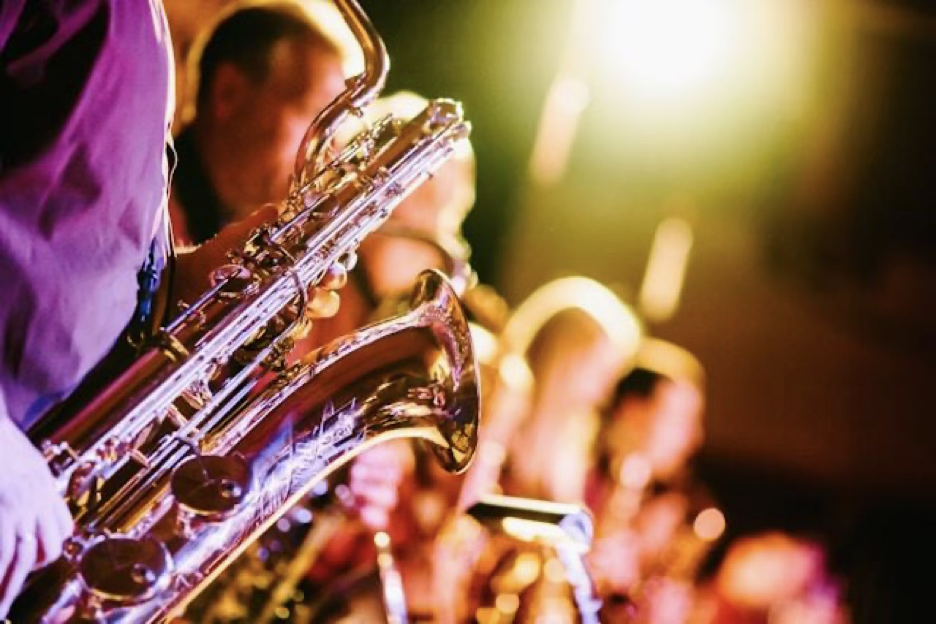
Build a diverse portfolio by covering a range of events—from lively street parades to music festivals and cultural celebrations. For example, photographing a local jazz festival can showcase your ability to capture stage lighting and crowd energy, while documenting a heritage day event highlights your storytelling through color, costume, and tradition. These images make strong portfolio pieces that demonstrate versatility and adaptability.
Social Media Storytelling

Festivals are perfect for creating visual stories across platforms. Share event highlights through reels, carousels, or photo essays that focus on specific themes like community connection, color, or emotion. For example, create a short Instagram reel of a parade’s most vibrant moments or a carousel post showing an event’s progression from setup to fireworks. Engaging captions can provide context and drive interaction.
Personal Projects

Use festivals as a way to explore your community’s culture and diversity. You might photograph a farmers market to tell the story of local food traditions, or a small-town fair to capture generational connections. Personal projects help you develop a photographic voice and often lead to deeper, ongoing documentation of the people and places around you.
Editorial & Documentary Work
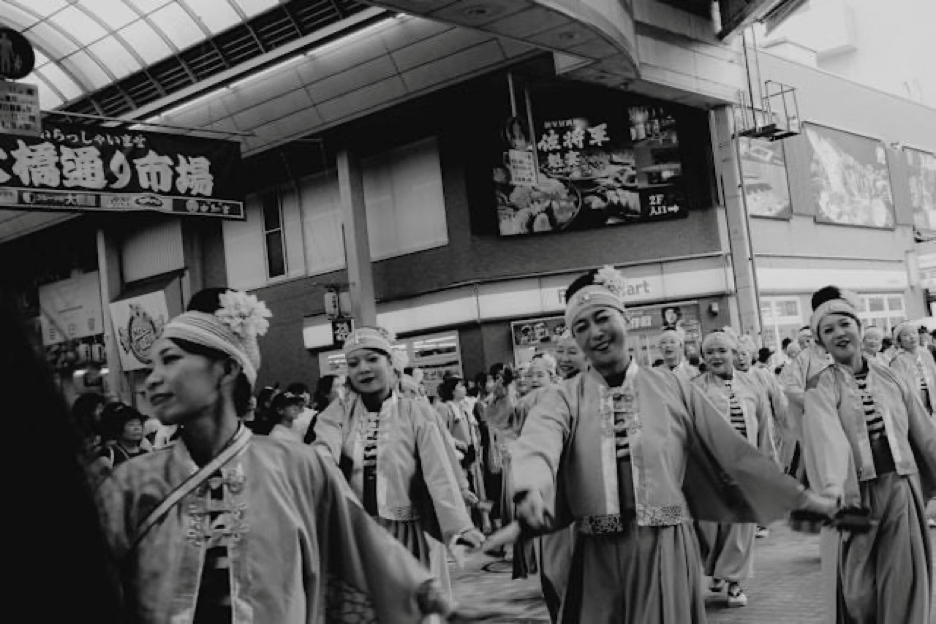
Festivals provide rich material for photo essays that celebrate local and regional culture. Pitch stories like a behind-the-scenes look at parade float builders, or a series documenting the revival of a traditional festival. Publications and online outlets often seek fresh perspectives on community life. Your event photos can become compelling editorial features or long-term documentary projects.
Tips for Aspiring Event Photographers
Before you head to your next big event, keep these practical tips in mind to help you capture both the excitement and the story behind it. Whether it’s a small-town fair or a massive celebration, these habits can elevate your event photography from snapshots to standout images.
- Arrive early to get shots before the crowds build up and capture the setup process: the hanging of banners, vendors arranging displays, or performers warming up backstage. These quieter moments add depth and context to your final collection.
- Look for color and action everywhere you go. Bright costumes, fluttering flags, and lively dancing all bring movement and energy to your frames. Seek out these focal points to anchor your story.
- Spot the smiles and laughter. Candid moments of joy such as friends hugging, kids clapping, and families sharing food, show the true spirit of the celebration and instantly connect viewers to the atmosphere.
- Go for details that tell the story up close. Focus on faces, hands at work, plates of colorful food, or handcrafted decorations and parade floats. These small touches can make your portfolio feel immersive and personal.
- Try experimenting with different angles. Climb steps, crouch low, or shoot through confetti, streamers, or hanging decor for fresh, creative perspectives that make your work stand out.
- Include the crowd whenever possible. Wide shots showing people together emphasize the scale, excitement, and shared energy of the event.
- And finally, always be ready for the unexpected. Weather shifts, spontaneous dancing, or funny, unplanned moments often lead to your most memorable photos, so keep your camera ready and your eyes open for surprises.
Conclusion
Photographing festivals and public events is both rewarding and responsible work. It’s about honoring the people, culture, and energy behind the photos. These gatherings offer a chance to tell visual stories that celebrate community, diversity, and shared joy.
With thoughtful preparation, ethical awareness, and a spirit of curiosity, every photographer can find meaning in the chaos. So practice, experiment, and keep learning from each event you shoot. The next great story is waiting to be captured.