Every photographer hits a wall at some point. You pick up your camera, stare at the world around you, and nothing sparks. Even the scenes that used to excite you feel dull. You might scroll through social media, hoping something will click, but instead you feel even more stuck. If this sounds familiar, you are not alone. Creative ruts are a normal part of the artistic process.
The good news is that they are temporary. There are practical ways to move forward, find fresh ideas, and reconnect with the joy of shooting. In this guide, we will look at how to find inspiration in photography when you feel stuck and explore strategies, mindset shifts, and creative exercises that can help you get back into a flow.
Understanding Creative Blocks in Photography
A creative block is not just a lack of ideas. It often comes from deeper issues that affect both motivation and confidence.
- Many photographers experience ruts when their routines become too repetitive. If you shoot the same subjects in the same locations with the same lighting, your creativity naturally levels out.
- Burnout is another common cause. After long periods of shooting, editing, or client work, you might feel mentally drained. Even passionate photographers need rest. Comparison can also play a role. When you spend too much time looking at other people’s images, it can make you question your own skills.
- Technical frustration also contributes to feeling stuck. Maybe your camera does not perform the way you expect. Maybe your editing feels inconsistent. When technique becomes stressful, creativity can slow down.
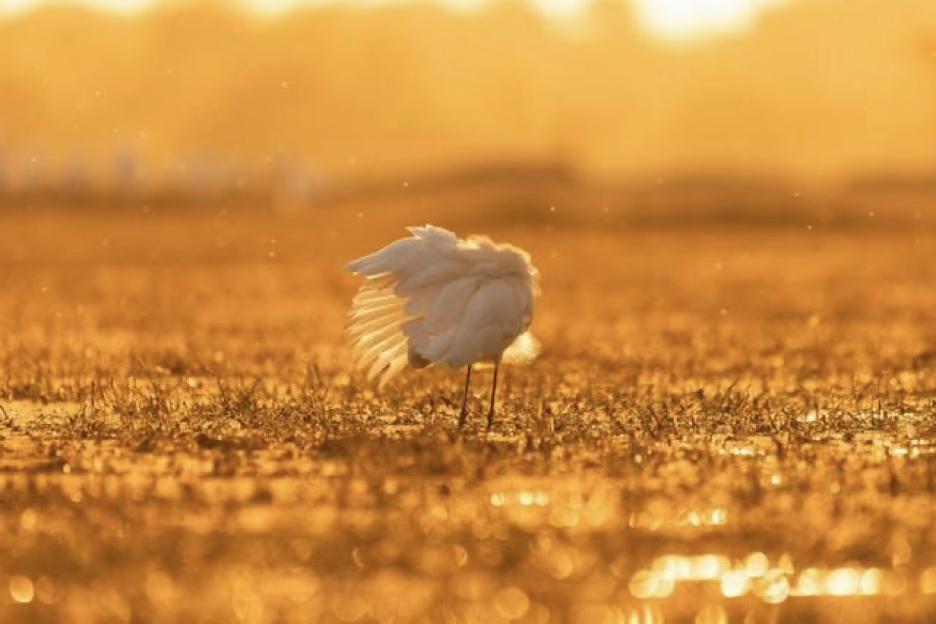
An example of this comes from a wildlife photographer who shared that he nearly quit after weeks of photographing the same marsh with no interesting results. He assumed the location was the problem but it turned out he was simply exhausted. After taking a short break and returning with fresh energy, he began noticing smaller, quieter moments in the same marsh that led to some of his best work.
Understanding what is behind your block helps you choose the right way to break through it.
Mindset Shifts for Photographic Inspiration
Before changing your habits, it helps to shift your mindset. Creative blocks feel uncomfortable, but they are also incredibly useful. They signal that you are ready for growth. They push you to explore new ideas.
Here are a few mindset shifts that help.
Treat the Slump as Part of the Process
Instead of seeing your block as a sign that something is wrong, treat it as a normal phase. Many photographers openly talk about the role creative slumps play in their growth. For example, Henri Cartier Bresson once described his long pauses from shooting as essential to refreshing his artistic eye. In interviews, he explained that stepping away allowed him to return with new curiosity and sharper observation. This idea supports the belief that creative block is not failure. It is part of the natural rhythm of making art.
Drop the Pressure
Perfectionism is one of the biggest barriers to inspiration. When you feel pressure to create amazing images, it becomes harder to take risks. Try shooting with no expectations. Go out with the intention of simply noticing light, movement, and color rather than capturing a masterpiece.
Focus on Process Over Results
Enjoy the act of shooting instead of obsessing over the final image. Many photographers use warm up techniques at the start of a shoot to get into a creative flow. Street photographer Jay Maisel talks about this often. In his book Light, Gesture, and Color, he explains that taking lots of simple, exploratory shots helps loosen the creative eye. Maisel believes the act of shooting itself creates momentum, which helps photographers see more clearly and break through mental blocks.
These mindset shifts allow you to approach photography with curiosity again, which is the foundation of getting unstuck.
Practical Strategies to Find Inspiration in Photography
If you want to overcome a creative block in photography, you need tools that help you see the world differently. These strategies have helped many photographers reignite their passion.
1. Change Your Environment
A change in scenery is one of the fastest ways to find new inspiration. This doesn’t always mean traveling far. Try shooting at a different time of day or visiting a part of your city you rarely explore. If travel is an option, even a short drive to a nearby town or park can reset your creative energy.
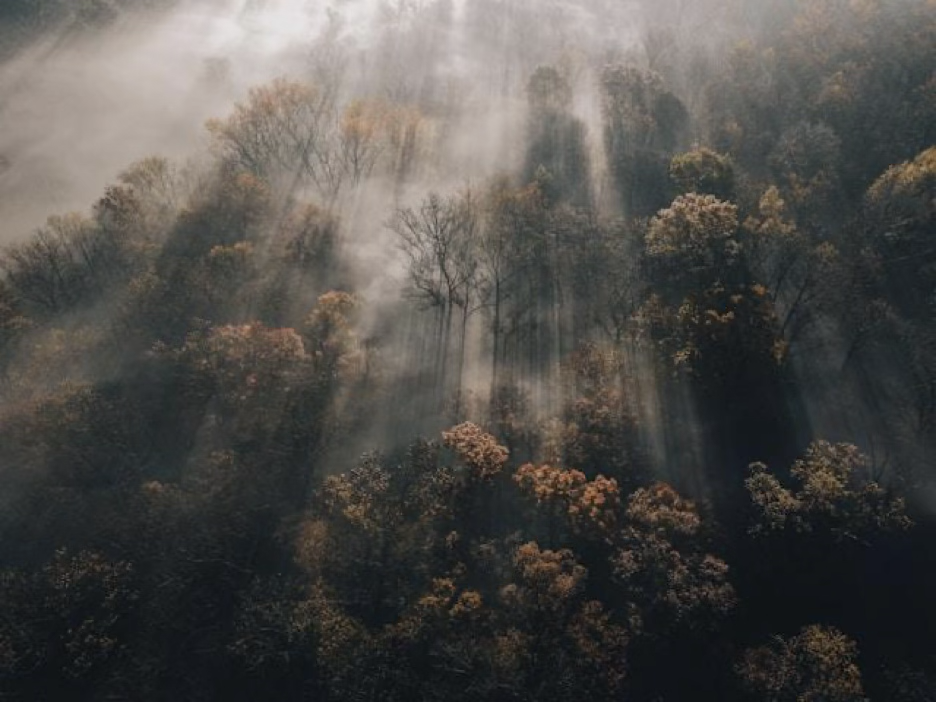
If you are a landscape photographer who feels uninspired, try returning to a familiar location in completely different conditions. For example, visiting the same forest on a foggy morning can transform it into something entirely new. Light, atmosphere, and weather can make a place you have photographed a hundred times feel fresh again.
2. Try a Different Genre
If you always shoot portraits, try landscapes. If you are a street photographer, try macro. Exploring a new genre teaches your brain to think differently. Switching genres is not about changing who you are. It is about expanding your visual vocabulary.
3. Participate in Photo Challenges
Photo challenges give you structure when you feel directionless. Photography Facebook groups and platforms like Flickr, 500px, and Reddit host weekly and monthly themes. Even Instagram hashtag challenges can spark ideas.
Some photographers love the “one subject for 30 days” challenge. You choose a single object and photograph it every day in a new way. This builds creativity quickly because it forces you to look deeper.
4. Limit Your Gear
It sounds strange, but shooting with less gear can lead to more creativity. When you remove choices, you focus more on composition and light. A common exercise is the “one lens challenge.” Choose only a 35mm, 50mm, or 85mm lens for an entire week. Many photographers say that limiting gear helped them see creatively again.
5. Study the Work of Other Photographers
Looking at other people’s work is not for the sake of copying. It is about understanding different perspectives. Explore the portfolios of different photographers. Read interviews and watch behind-the-scenes videos. Discover what makes each of them unique.
For example, watching street photographer Fan Ho’s work might inspire you to pay more attention to strong light and shadow. Studying Vivian Maier’s images can remind you to look for quiet, everyday moments. Inspiration often comes from seeing how others view the world.
6. Collaborate or Connect
Photography can be lonely. Collaboration helps you see things through someone else’s eyes. Consider joining a local photo group or meetup. Many cities have photography clubs or informal groups. Shooting with others exposes you to new techniques and locations. You may even find future collaborators.
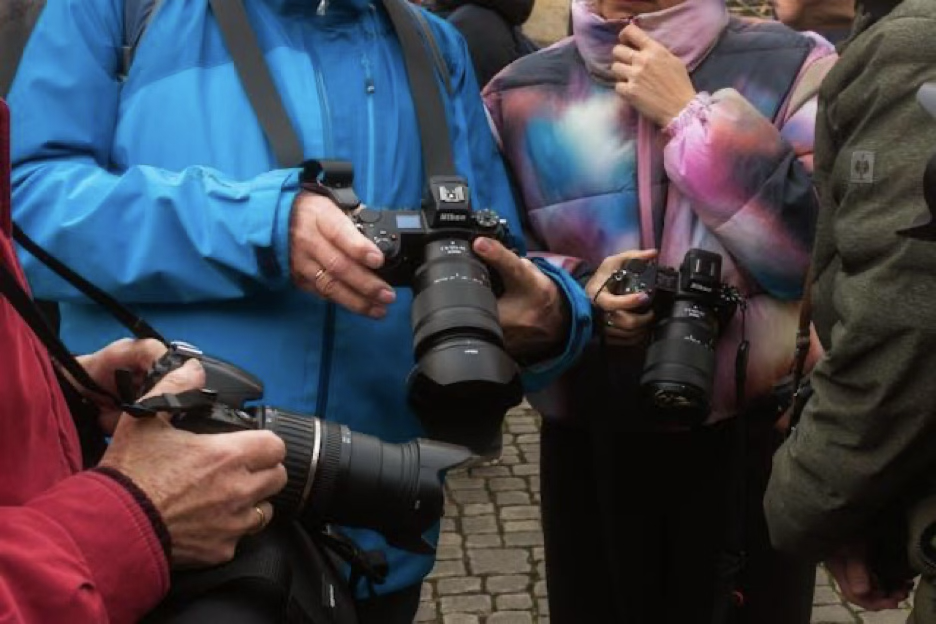
If you shoot portraits, try working with a new model or stylist. If you shoot landscapes, join a group that explores unfamiliar spots.
7. Revisit Old Work
Reviewing past work can reveal themes worth exploring. Photographer and author David duChemin teaches that going through your archives helps you spot recurring subjects or patterns you may not have noticed before. In The Soul of the Camera, he explains that these natural themes often point toward meaningful personal projects. Rediscovering these threads can spark new ideas and guide you out of a creative slump.
8. Set Personal Projects
A personal project gives you direction. It can be big or small. Examples include:
- Documenting your neighborhood for a year.
- Photographing hands as a theme.
- Capturing daily life at local coffee shops.
- Shooting only at sunrise for 30 days.
Projects keep your creativity moving. They give you a reason to pick up your camera even when you don’t feel like it.
5 Creative Exercises for Getting Unstuck
Here are simple creative exercises for photographers that work well when you feel blocked.
1. Ten-Minute Photo Walk
Set a timer for ten minutes. Walk one block. Photograph anything that catches your attention. It could be a shadow on a sidewalk, the pattern on a brick wall, or the way light hits a street sign. Because the time is short, you stop overthinking and start reacting to what you see. This quick burst of creative activity helps you loosen up, notice small details, and shift out of a stuck mindset.
2. Shoot a Single Color

Pick a color. Red, blue, yellow. Photograph only that color for a full day. Maybe you capture red cars, red clothing, red flowers, or even the warm tones of red light reflecting off surfaces. This challenge trains your eye to search for something specific, which helps you break out of visual autopilot. Focusing on a single color also teaches you to see patterns, contrast, and composition in a new way.
3. Recreate a Famous Photograph
Pick an image from a photographer you admire. Recreate it using your own environment, props, or style. For example, you might mimic the dramatic lighting of a Helmut Newton portrait using a simple desk lamp, or recreate a classic Henri Cartier Bresson street moment with a friend walking past a wall. The goal is not to duplicate it perfectly but to learn how the original photographer thought. This process helps you understand composition, light, and storytelling, which often sparks new ideas for your own work.
4. The Five-Angle Rule
Choose one subject and photograph it from five different angles. Get low. Get high. Move far. Move close. Shoot from the side, above, or even through another object. This exercise forces you to slow down and explore possibilities instead of snapping one quick photo and moving on. It teaches you to see potential compositions that are not obvious at first glance, which is especially helpful when you feel like everything looks boring or repetitive.
5. A 365 or 52-Week Project
These long-term projects build consistency. Even simple daily photos can lead to surprising growth in creativity. On a 365 project, you might photograph your morning coffee, interesting textures in your home, changing weather, or loved ones going about their day. Over time, you begin noticing light, moments, and details you would normally ignore. When you commit to showing up regularly, your creative block slowly loses its power.
Documenting your process helps you understand what inspires you most. Keep notes. Pay attention to which exercises feel exciting and which ones feel forced.
Why Staying Inspired Matters in Photography
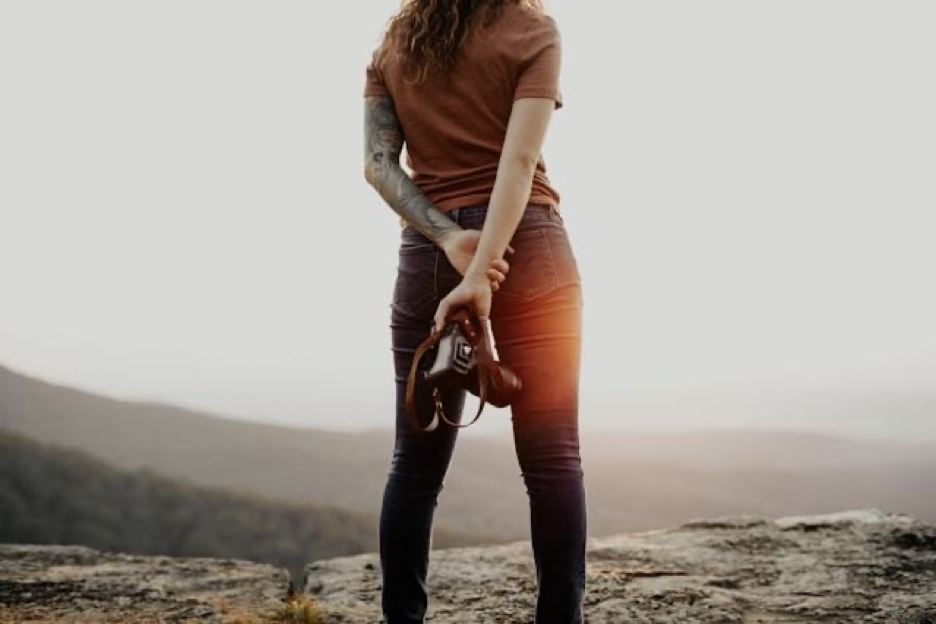
Inspiration does more than help you create beautiful images. It fuels your growth. When you feel inspired, you naturally experiment more. You take creative risks. You try new editing styles or explore new lighting techniques. These experiences help you develop a unique photographic voice.
Inspiration also keeps photography fun. Passion and curiosity are what draw most people to photography in the first place. When you nurture that spark, your artistic journey becomes more meaningful.
Photographers often find inspiration outside their primary genre. Celebrity wedding photographer Joe Buissink has shared in interviews that street photography plays a major role in how he approaches weddings. Practicing the art of noticing real, unscripted moments on the street helped him react more intuitively during emotional wedding scenes. The skills he developed by observing everyday life strengthened his ability to capture authentic storytelling images for his clients.
Conclusion
Creative ruts happen, but they don’t last forever. You now have several strategies for how to find inspiration in photography when you feel stuck. When you give yourself permission to experiment and make imperfect images, you create the space for inspiration to return naturally.
Remember that every photographer, no matter how experienced, goes through seasons of feeling stuck. What matters is how you move through them. Try a few of these techniques, mix them up, or come back to them whenever you need a boost. And if you have your own tips, exercises, or stories about getting unstuck, share them with your photography community. Your experience might be exactly what someone else needs to hear to find their spark again.