You arrive at an incredible location. The light is perfect, the atmosphere is right. But instead of immediately responding to it, you find yourself kneeling over your camera bag, slowly digging through lenses, second-guessing every choice, and watching the moment quietly evolve without you.
There’s a strange irony in carrying every focal length you could possibly need. In theory, it should make you more capable. In practice, it often does the opposite. With a 24–70mm, a 70–200mm, and a few other options at your disposal, it’s easy to hesitate, overthink, and to “zoom with your hands” instead of actually moving through the scene with intention.
This article explores a different approach entirely: the radical freedom of locking a single prime lens onto your camera and leaving the rest of your gear at home.
Embracing the One-Camera, One-Lens Lifestyle
Let’s be clear: This isn’t an argument against zoom lenses. Zooms are invaluable when access is limited, action is unpredictable, or several focal lengths are needed quickly.
The idea here is simply to experience photography with fewer decisions between you and the scene. When your lens is already chosen, your attention shifts toward light, timing, gesture, distance, and composition. The lens stays fixed and you become the variable.
Zooming With Your Feet: The Physicality of a Prime Lens
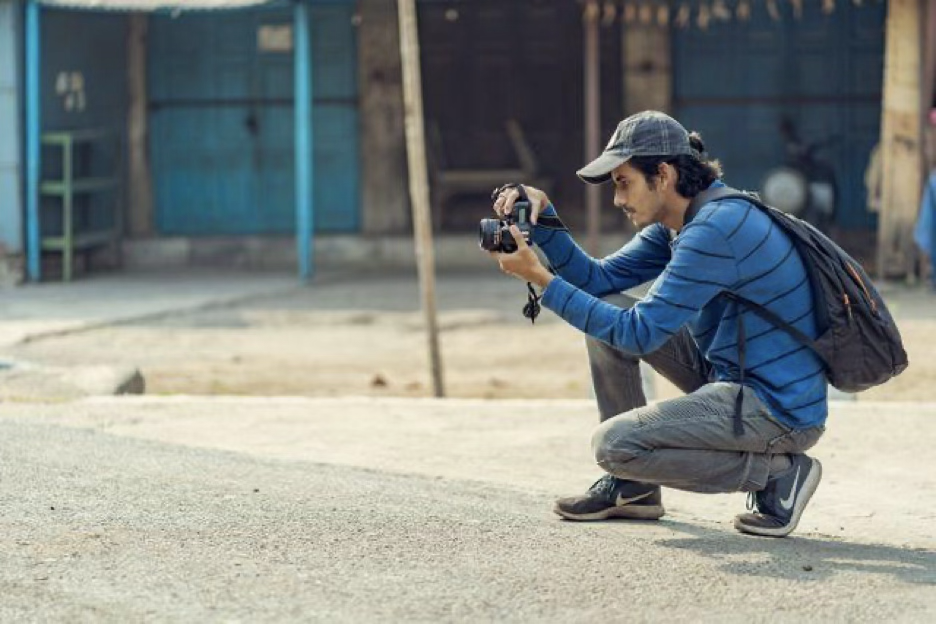
One of the clearest differences in the prime lens vs zoom experience is movement. A prime lens can’t bring the subject closer with a twist of your wrist. You have to step forward, move back, crouch down, walk sideways, or find another viewpoint. That physical involvement drastically changes the way you photograph.
Becoming Part of the Environment
When you can’t zoom in, you sometimes have to enter the scene. You may walk closer to a street vendor, move into the center of a market, kneel in the dirt, or follow the edge of a building until the light falls correctly across your subject.
This movement encourages you to engage with the environment. You hear conversations, recognize patterns, and notice details outside your original frame. Moving closer may also require eye contact, permission, or a brief conversation. Those interactions often lead to more natural portraits and more meaningful photographs because you’re participating rather than observing from a distance.
The Dance of Composition
Working with a prime lens teaches you to walk the perimeter of a scene. Move left and two background objects separate. Step forward and a distracting sign disappears. Lower the camera and a reflection enters the frame. Step back and the foreground becomes part of the story.
Composition becomes less about cropping the world with a zoom ring and more about finding the position where everything aligns. You become more aware of overlapping shapes, awkward edges, negative space, leading lines, and subtle changes in light.
“Zooming With Your Feet” Is More Than Just Getting Closer

Walking closer doesn’t create the same effect as zooming in. Camera position changes the photo’s perspective, including the relationship between the subject and background. As you move closer, nearby objects become more prominent and the space between elements appears to change. You aren’t simply making the subject larger in the frame. You’re changing the photograph’s visual structure.
Prime lens photography doesn’t just replace a zoom ring with your feet. It teaches you how distance and perspective shape an image.
Seeing in One Focal Length: Developing a Signature
Spend enough time with one focal length and something interesting begins to happen. You start seeing the frame before the camera reaches your eye. After a few weeks with the same lens, your brain builds muscle memory for framing. You begin to know where to stand, where the edges of the frame will fall, and how much environment will surround your subject.
That familiarity makes you faster when moments are fleeting. Instead of repeatedly raising the camera, checking the frame, and adjusting your position, you can anticipate where you need to be. Using a single lens also gives your work greater visual consistency. The images begin sharing a similar perspective, sense of space, and relationship between the photographer and subject.
Choosing Your Visual Voice
The prime lens you choose influences more than framing. It changes how you move, where you stand, and how you relate to the scene. Here are three common focal lengths and how each shapes your perspective:
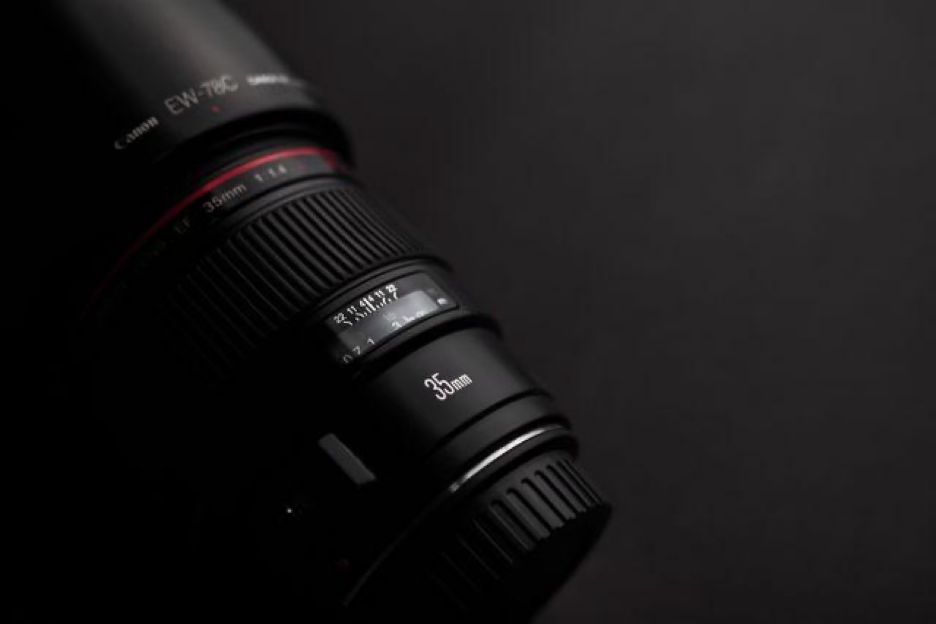
The 35mm Storyteller
The 35mm balances subject and context naturally. It’s wide enough to show the environment, but not so wide that people become distant within the frame.
It works especially well for street photography, environmental portraits, travel storytelling, and documentary work. A 35mm encourages closeness and places the photographer inside the action. The viewer sees the subject, but they also understand where that person is, what’s happening around them, and how they fit into the larger story.
The 50mm Observer

The 50mm offers a more selective view. It can simplify a busy environment while remaining flexible enough for portraits, candid moments, food details, architecture, and low-light scenes.
It encourages attention to gestures, expressions, textures, and quiet moments that might disappear in a wider composition. For many photographers, the 50mm feels intuitive and balanced. It creates intimacy without requiring you to move too deeply into the scene.
The 85mm Story Seeker
The 85mm is often treated strictly as a portrait lens, but it’s also a powerful storytelling tool. It encourages distance, patience, and emotional observation.
With an 85mm, you’re more likely to work from the edge of a scene and wait for gestures, interactions, and relationships to develop naturally. Its compressed perspective can pull background elements closer to the subject visually, turning a crowded environment into a layered composition.
It works especially well for candid interactions, subtle moments between people, street scenes with natural separation, and details that benefit from background compression. It’s a challenging one-lens choice in tight spaces, but that challenge can teach you to search for emotional structure instead of trying to include everything.
The Magic of Wide Apertures: Sculpting With Light
Prime lenses are often loved for maximum apertures such as f/1.4, f/1.8, or f/2. These wider apertures provide flexibility in low light and greater control over depth of field.
The Low-Light Advantage
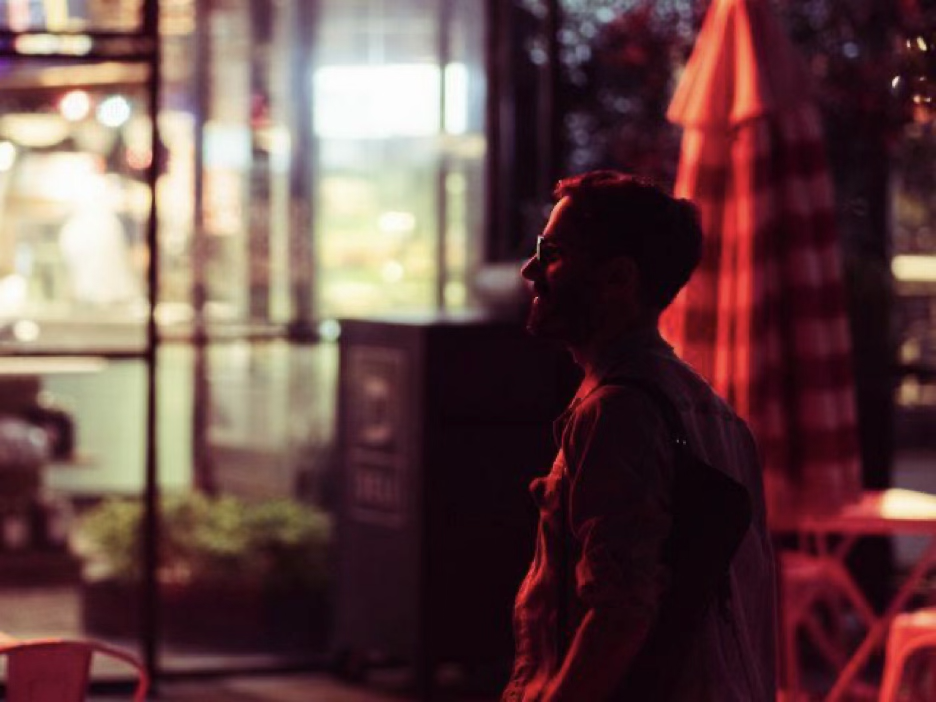
A wide aperture lets more light reach the sensor, helping you maintain a faster shutter speed or lower ISO in dim conditions. That makes prime lenses excellent companions for evening street walks, indoor markets, restaurants, jazz clubs, blue-hour scenes, and naturally lit portraits.
A fast lens can also help preserve atmosphere. Instead of overpowering a dim environment with flash or raising the ISO until the shadows become distracting, you can work with the available light. With that, a glowing café window, a stage spotlight, or a face illuminated by a streetlamp remains part of the story.
Separating the Subject From the Background
Shallow depth of field can simplify a crowded sidewalk, busy café, or cluttered market by gently separating the subject from the background.
The goal isn’t to blur everything simply because your lens can. Depth of field should support the photograph. Sometimes f/1.4 is exactly what the image needs. Other times, stopping down to f/2.8 or f/4 keeps enough environmental context visible for the story to breathe.
Discovering the Character of the Glass
Prime lenses often have distinct personalities. One may create smooth bokeh, another may flare beautifully in backlight, and another may show subtle vignetting or softer edges when it’s open wide. What looks like an optical imperfection on a test chart can become part of a lens’s creative appeal.
As you learn how one prime responds to light, distance, color, and aperture, its character becomes part of your visual language. You stop seeing the lens as a collection of technical specifications and begin understanding how it interprets the world.
Being Present: Less Tinkering, More Experiencing
A smaller camera and prime lens combination changes more than the weight on your shoulder. It can change how you move through the world.
The Unobtrusive Camera
A compact setup attracts less attention than a large camera with a long zoom. People may see you as an approachable traveler or casual observer rather than a professional. That can make candid photography easier and more authentic. Subjects are less likely to tense up or change their behavior, and you may feel more comfortable carrying the camera openly and responding quickly.

Living in the Moment
The one-camera, one-lens lifestyle means less time switching lenses, rearranging a bag, managing lens caps, comparing focal lengths, and worrying about gear you aren’t using.
Instead, you can be present. Participate in the moment instead of experiencing it through an open camera bag. That presence often leads to better photographs because photography depends on awareness. The more attention you give the world, the more likely you are to recognize a meaningful moment before it disappears.
A Simpler Travel Workflow
Minimalist photography gear is easier to carry through airports, crowded trains, city streets, and hiking trails. It’s less tiring at the end of the day and creates less anxiety than transporting a bag filled with expensive equipment.

That simplicity continues beyond the shoot. Working with one focal length produces a tighter, more visually consistent collection instead of dozens of variations of the same scene photographed from one position.
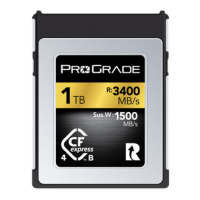
This doesn’t mean treating your files casually. A dependable memory card, reliable card reader, and consistent backup routine are still necessary. The goal is to simplify the creative process without compromising the photographs you worked hard to create.
Take The One-Lens Challenge
The best way to understand the benefits of using a prime lens is to experience them. Choose a 35mm for environmental storytelling, a 50mm for a balanced perspective, or an 85mm for a more challenging exercise in distance, patience, and compression.
Use that lens exclusively for:
- One full day
- A weekend trip
- A seven-day photo challenge
- An entire vacation
- A 30-day personal project
The hardest part may be leaving the backup zoom at home. Keeping it in your bag “just in case” makes it easy to retreat as soon as the prime becomes inconvenient. But that inconvenience is part of the exercise. It forces you to solve visual problems differently.
When the challenge is over, ask yourself:
- Did you move around more?
- Did you notice your surroundings differently?
- Did your photographs feel more consistent?
- Were you more present during the experience?
- Did you miss the zoom lens as much as you expected?
You may decide zoom lenses are still right for much of your work. That’s perfectly fine. The point isn’t to become a prime lens purist. It’s to discover what happens when your equipment stops offering an answer to every problem and your creativity has to take over.
Conclusion: Finding Freedom Through Constraint
A prime lens is a creative constraint that can set you free. Working with one focal length reduces decision fatigue, lightens your physical load, encourages movement, sharpens your understanding of composition, and helps you develop a more consistent visual voice.
It also gives you room to be present. With less equipment to manage, you can spend more time watching, listening, interacting, and experiencing the places you traveled to photograph.
The best camera gear isn’t necessarily the gear that offers the most options. Sometimes, it’s the gear that just gets out of your way, helps you recognize the story, and lets you capture it before the moment disappears.