Street photography is more than quick snapshots of everyday life. It’s a form of visual storytelling. It’s about noticing the moments most people walk right past and turning them into narratives that feel honest, human, and relatable. When you freeze a candid interaction, gesture, or glance, you give viewers a chance to experience the world through your eyes, if only for a moment.
And that’s why street photography resonates so deeply: the best images feel like short stories captured in a split-second. In this article, we’ll explore how to turn those fleeting moments into intentional visual narratives using practical techniques, thoughtful composition, and a storytelling mindset.
The Essence of Visual Storytelling in Street Photography
What sets street photography apart from other genres is its remarkable ability to reveal authentic stories as they naturally unfold. There is no staging, no directing. Only the quiet, unfiltered rhythm of daily life. Street photography invites us to step into the role of observer and storyteller, capturing life in its most unguarded form.

Street photography becomes narrative photography because of three key ingredients:
- Context – The surrounding environment helps viewers understand what’s happening.
- Emotion – People’s expressions, body language, and interactions give your image heart.
- Timing – That perfect moment, blink and you miss it, is what transforms a scene into a story.
When all three come together, you get an image that tells a story.
Key Elements of Narrative in Street Photography
Crafting a compelling street photograph begins with understanding the core elements that shape a visual narrative. By paying attention to the people, environments, moments, and compositional choices within a scene, you can transform everyday life into stories that feel intentional, immersive, and emotionally resonant.
1. Characters
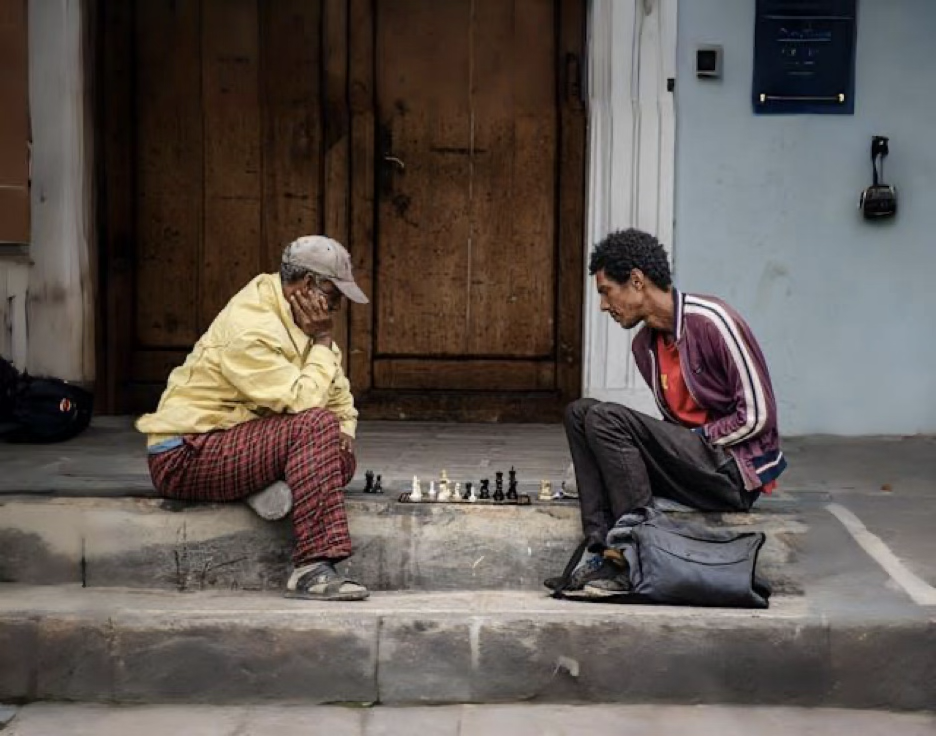
People are the heartbeat of documentary street photography, bringing life, emotion, and humanity to your images. Characters don’t need to be performing grand gestures to be compelling. Often, it’s the smallest cues that carry the deepest meaning. A subtle shift in posture, a hesitant glance, or the way two strangers navigate shared space can all serve as powerful storytelling anchors. When you capture these moments with sensitivity and curiosity, you invite viewers to imagine the lives unfolding within the frame, creating photographs that resonate long after they’re seen.
2. Setting
The setting is a foundational part of your story. Urban environments offer endless visual possibilities, from the energy of crowded streets to the quiet poetry of early morning light bouncing across glass and concrete. Weather, architecture, color, and texture all shape the mood of your narrative. Rain can introduce reflection and movement; old brick buildings add history and grit; sunlight creates warmth, contrast, and direction. Thoughtfully incorporating the environment allows your viewers to understand not only what is happening, but where and why it feels the way it does.
3. Moment

Henri Cartier-Bresson’s idea of the decisive moment remains central to narrative photography: that brief, perfect instant when everything aligns. The moment is often fleeting. Gone in the time it takes for someone to turn their head or step out of the light. Developing an eye for these moments requires patience, attentiveness, and a willingness to anticipate human behavior. When captured with precision, the moment becomes the emotional core of the photograph, offering a sense of authenticity that cannot be recreated or staged. It is the point at which your story crystallizes.
4. Composition
Composition is the guide that leads your viewer through your story. Effective compositional choices help structure the scene and emphasize the elements you want people to notice. Techniques such as framing can isolate your subject within a doorway or window, creating focus and intimacy. Layering introduces depth by combining foreground, subject, and background elements into a unified narrative. Juxtaposition draws meaning from contrast: old versus new, chaos versus calm, solitude versus community. Leading lines naturally draw the viewer’s eye toward key story points. When used intentionally, composition becomes a powerful tool for strengthening clarity, emotion, and impact in your street photography.
Techniques for Telling Stories Through Street Photography
Observation & Patience
At the heart of great street storytelling is the ability to truly observe. This means taking the time to slow down, look beyond the obvious, and become fully present in your surroundings. The more you observe, the more patterns you begin to notice: How people move through space, how light shifts throughout the day, and how small interactions quietly unfold. Patience allows these moments to come to you rather than forcing them. When you honor the natural rhythm of the environment, the stories you capture feel authentic and sincere. Over time, this mindful approach helps sharpen your instinct for recognizing meaningful scenes before they disappear.

Candid Capture
Candid photography requires a balance of awareness, discretion, and respect. Your goal is not to intrude but to witness. Working unobtrusively helps preserve the authenticity of the scene and encourages natural behavior from your subjects.
This may mean shooting from the hip, using a quieter camera, or blending seamlessly into the flow of pedestrian activity. At the same time, it’s important to remain considerate and ethical. Every subject is a person with their own dignity and story. Approaching the streets with empathy ensures your images feel honest and respectful while maintaining the integrity of candid capture.
To capture authentic street moments:
- Blend in and move naturally
- Keep your camera ready
- Use quiet settings or a small mirrorless body
- Respect people’s space
- Remain considerate and ethical
The goal is to document, not disrupt.
Context Clues
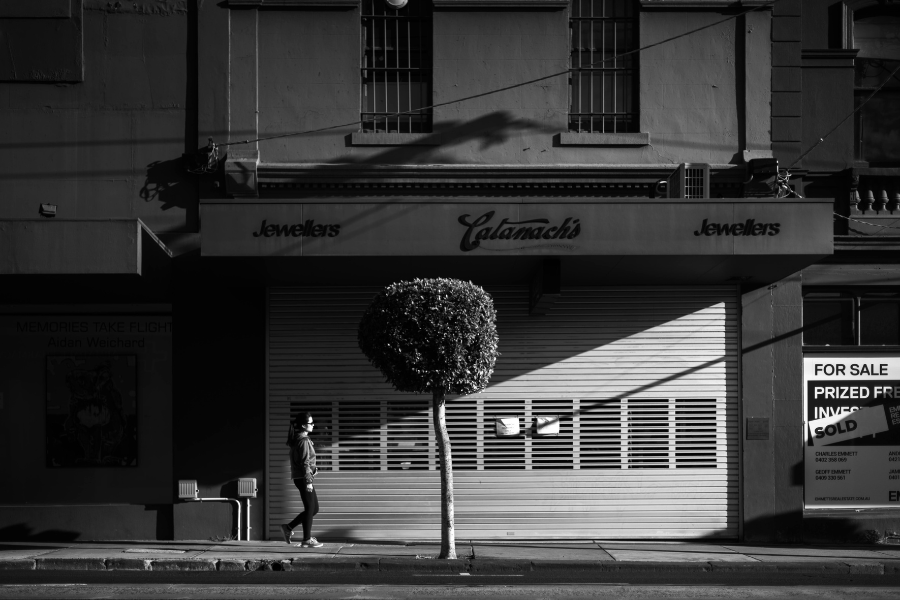
Context is one of the most powerful storytelling tools in photography. Background elements such as signage, reflections, architecture, or even the color of nearby objects, can add meaningful layers to your narrative. A well-placed sign can provide irony or humor (like a “One Way” sign pointing at someone who looks lost). A shadow can introduce mystery. A billboard can contrast dramatically with a subject’s expression. These visual clues help set the stage and enrich the viewer’s interpretation, transforming a simple scene into a multidimensional story. By paying attention to the relationships between your subject and their surroundings, you create images that engage the imagination.
Sequencing Images
If one photo is a sentence, a series can be a whole chapter. Sequencing multiple images allows you to build deeper, more nuanced narratives. Sequencing can help you explore recurring ideas, characters, or environments in a way that unfolds like a chaptered story. It encourages you to consider pacing, transitions, and emotional tone. Each image contributes a unique perspective while supporting the broader narrative arc. This approach can transform your work from isolated moments into a cohesive body of storytelling photography.
Try creating:
- Mini photo essays
- Themed series
- Evolving characters
- Collections from specific neighborhoods
Ethics and Responsibility

Street photography carries a responsibility to respect the dignity and comfort of the people you photograph. While public spaces may legally allow candid photography, ethical practice asks you to consider the impact of your images on your subjects. Approach people with empathy, remain aware of cultural norms, and avoid photographing individuals in ways that may feel exploitative or intrusive, such as children or people in vulnerable situations. When appropriate, asking for consent or offering a friendly explanation fosters trust and integrity. Above all, share and present your images responsibly. Thoughtful ethical choices strengthen both your work and your relationship with the communities you photograph.
Case Studies & Examples
Some iconic photographs show just how powerful street storytelling can be:
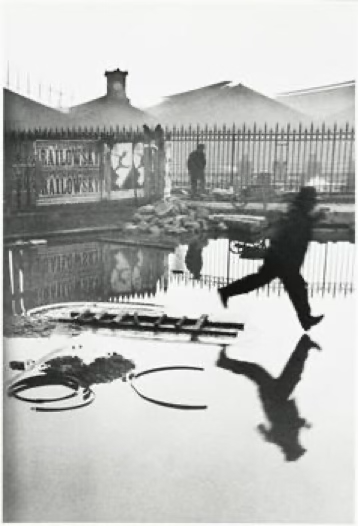
Cartier-Bresson’s “Behind the Gare Saint-Lazare” (1932) is a timeless example of how anticipation, timing, and composition come together in a single, elegant leap captured mid-air.

Vivian Maier’s self-portraits reveal the quiet mystery of an artist observing her world from the periphery, using mirrors, reflections, and shadows to weave introspective stories.

Tony Ray-Jones’ “Crufts Dog Show 1968” is a brilliant example of how humor, timing, and social observation can merge into a single compelling frame.
Studying these images is like reading the classics. They help us understand the power of mood, moment, and meaning, and inspire us to look for similar storytelling opportunities in our own environments.
Post-Processing for Storytelling
Thoughtful post-processing can elevate a street photograph by emphasizing the elements that matter most. Editing should enhance the story, not overshadow it.
Consider:
- Black and white or color: color can highlight vibrancy or tension, while monochrome often enhances mood, shape, and contrast
- Contrast, clarity, and exposure: to help guide the viewer’s eye toward important details
- Cropping: refine your composition and strengthen the overall narrative.
Subtle adjustments can guide viewers right to the heart of your story.

Challenges and Solutions
Every street photographer, whether beginner or seasoned, encounters challenges along the way. The streets are dynamic, unpredictable, and sometimes intimidating, but each obstacle offers an opportunity to refine your craft and strengthen your narrative voice. By approaching these challenges with patience and curiosity, you’ll develop greater confidence and a more intuitive storytelling instinct.
Feeling Shy or Self-Conscious
It’s completely natural to feel hesitant when photographing strangers in public. Many photographers struggle with the fear of being noticed or judged. One of the most effective ways to ease into the practice is to begin shooting from a comfortable distance, using a longer focal length to give yourself (and your subjects) space. Over time, as your confidence grows, you may feel more at ease moving closer and engaging more directly with the environment around you.
Another helpful strategy is to immerse yourself in busy areas where people are accustomed to being photographed. Crowds provide a sense of anonymity and allow you to work more freely without drawing attention. With consistent practice, what once felt uncomfortable begins to feel natural, and your presence on the street becomes a quiet part of the landscape.
Legality or Ethical Boundaries
Concerns about legality are common, especially for photographers who are new to working in public spaces. The key is to educate yourself about the laws in your region. Most places allow photography in public as long as you are not interfering with others or violating privacy in restricted areas. Understanding your rights not only protects you but also helps you work with greater confidence and clarity.
Missing Moments or Feeling Too Slow
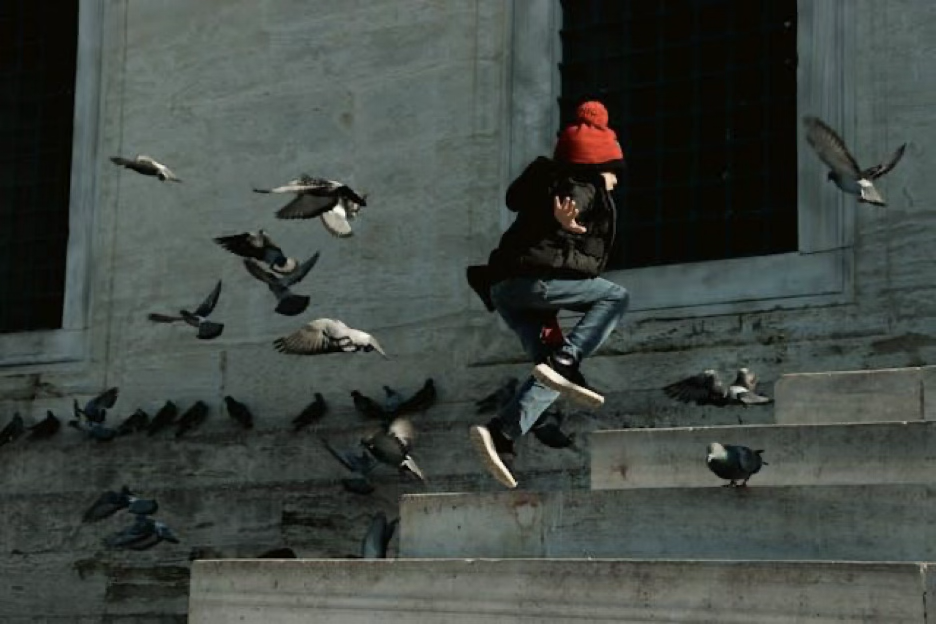
Street photography moves quickly, and missed moments are an inevitable part of the process. Instead of viewing them as failures, treat them as reminders to stay present and prepared. Keep your camera powered on, your settings ready for changing conditions, and your hands positioned to shoot at a moment’s notice. Using burst mode can help you capture subtle transitions and fleeting gestures that might otherwise be lost.
Persevering as You Develop a Narrative Eye
Street storytelling is not something mastered overnight. It evolves through consistent practice, thoughtful observation, and a willingness to stay open to the unexpected. Some days will feel creatively rich; others may feel quiet or unproductive. Both experiences are valuable.
Give yourself permission to learn gradually. Ultimately, the more you engage with the streets, the more they reveal. Keep going, stay curious, and trust that your narrative voice is growing with every photograph you take.
Tips for Aspiring Street Photography Storytellers
- The most effective way to grow as a storyteller is simple: practice consistently.
- Carry your camera often, even during ordinary moments.
- Challenge yourself to see familiar places with new eyes and embrace the unpredictability of the streets.
- Keeping a visual diary or long-term project can help strengthen your narrative focus over time.
- Engage with street photography communities (both online and in person) to gain feedback, inspiration, and a sense of shared creative purpose.
- Most importantly, stay curious. The world is filled with stories, and your perspective brings something entirely unique to each one.
Conclusion
Street photography is one of the most powerful forms of visual storytelling. It invites us to slow down, look closely, and appreciate life’s unscripted moments. Whether it’s a quiet exchange or a fleeting expression, every candid scene offers a new story waiting to be told.
So step outside and let the streets show you what they have to say. Your next great story might be just around the corner.