Utah is a photographer’s playground. With its otherworldly rock formations, dramatic canyons, high-altitude lakes, and endless desert skies, the Beehive State delivers some of the most visually stunning landscapes in America. This ultimate Utah photography bucket list highlights the best places to shoot, complete with tips, timing, and gear advice to help you capture the state’s epic beauty.
Southern Utah
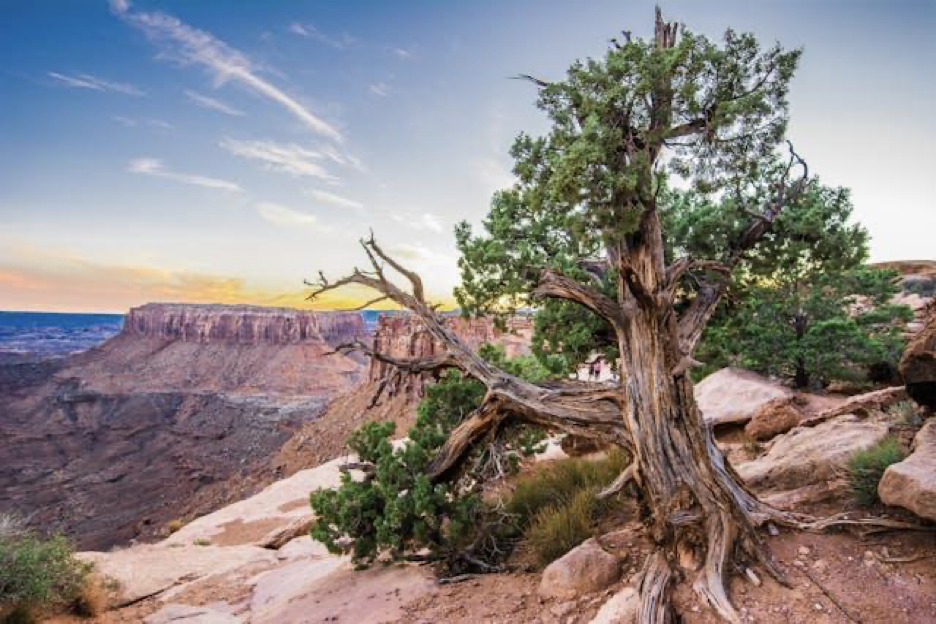
Home to some of the country’s most iconic national parks, Southern Utah is all about red rock drama and wide-open skies. You’ll find natural arches, winding canyons, and landscapes that look like Mars. In this region, every sunrise and sunset offers a light show like no other.
Arches National Park
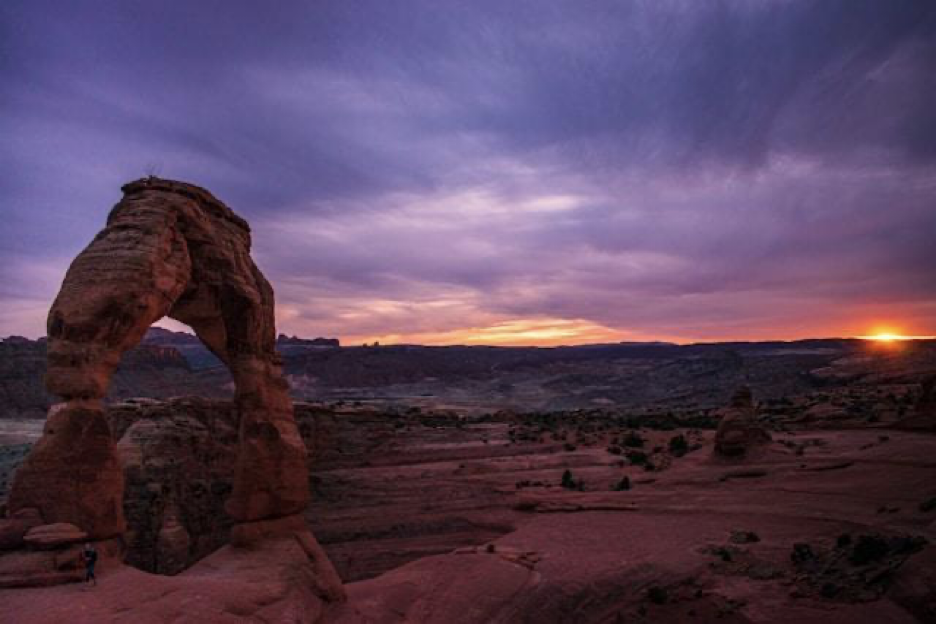
This park is a dream for photographers, packed with more than 2,000 natural stone arches and rock formations that glow in shades of orange, pink, and red. Top spots include Delicate Arch at sunset, Balanced Rock at golden hour, and the Windows Section at sunrise. Use a wide-angle lens for those epic arch frames and a tripod for low-light shots.
Tip: Hike to Delicate Arch in late afternoon and stay for sunset. Don’t forget a headlamp for the return hike in the dark.
Bryce Canyon National Park
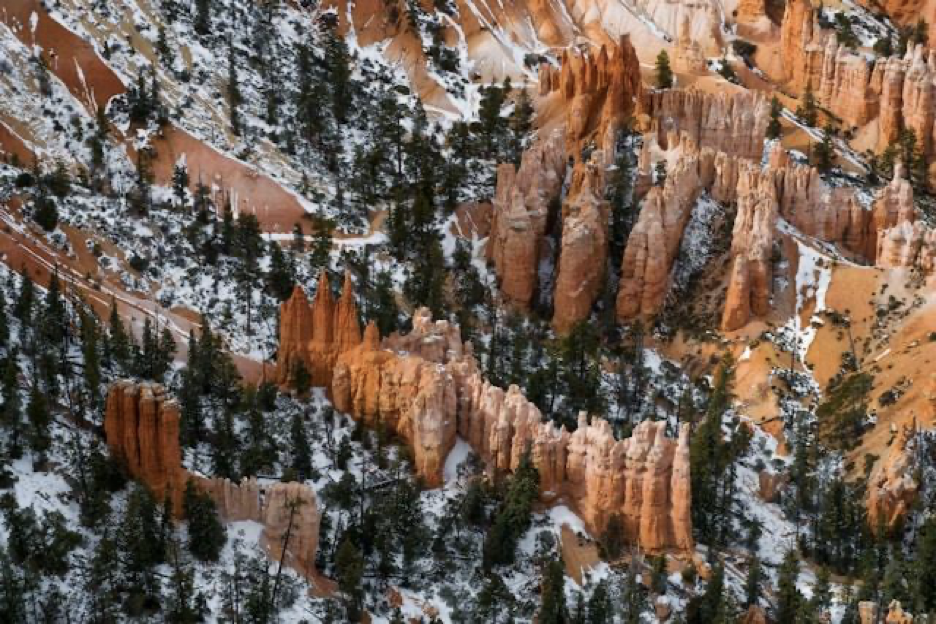
Known for its mind-bending hoodoos (tall, skinny rock towers formed by wind and water that look like stone sculptures), Bryce Canyon is magical in every season. But sunrise is where it really shines. Start your day at Bryce Point or Sunrise Point to catch the glowing orange spires as the light pours in. Snowy conditions in winter add surreal contrast to the red rock.
Tip: Use a telephoto lens to isolate hoodoo formations or zoom in on hikers below for scale and drama.
Zion National Park
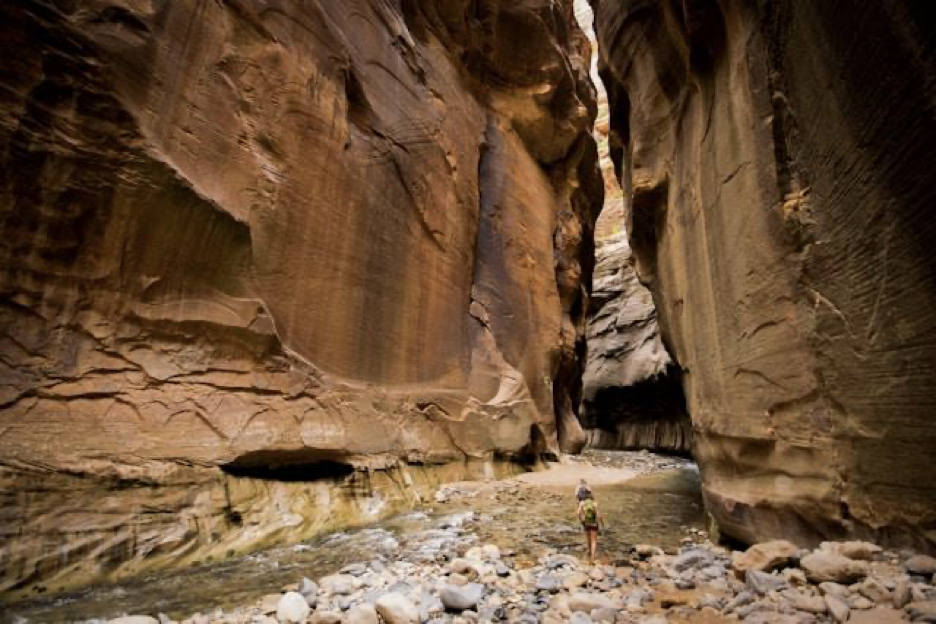
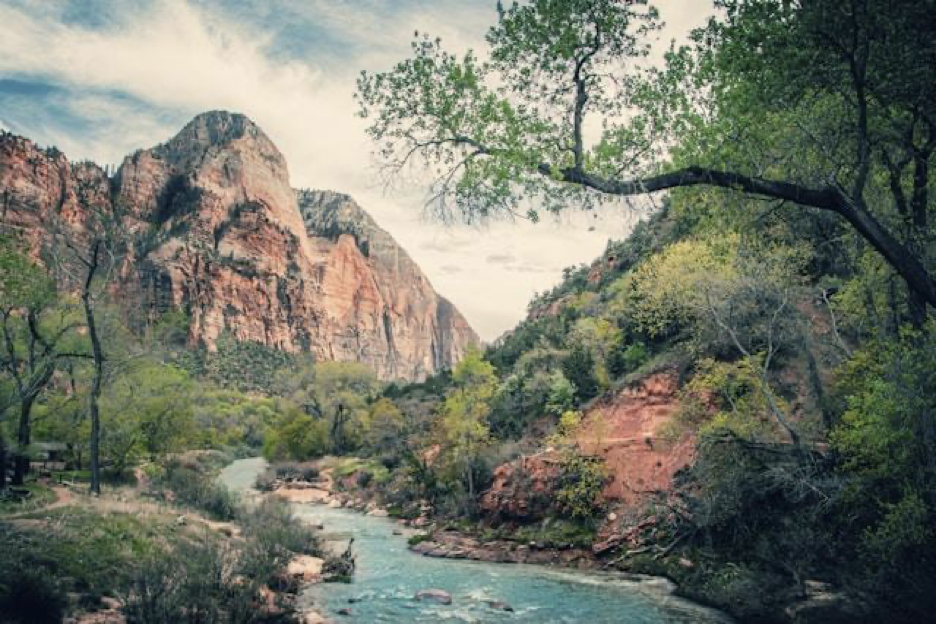
Zion is full of towering cliffs, emerald pools, and narrow canyons that challenge and reward photographers. For epic views (if you’re not afraid of heights), hike Angels Landing. Or get wet and explore the Narrows with a waterproof camera. Canyon Overlook offers a shorter, less crowded alternative with stunning valley views.
Tip: Visit in fall for colorful cottonwood trees against red rock walls. A polarizing filter helps control reflections and brings out the sky.
Monument Valley
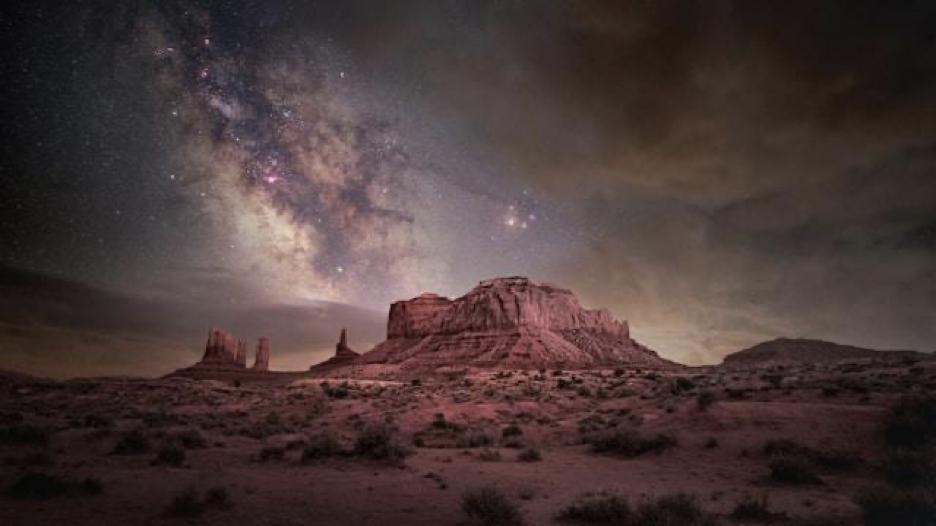
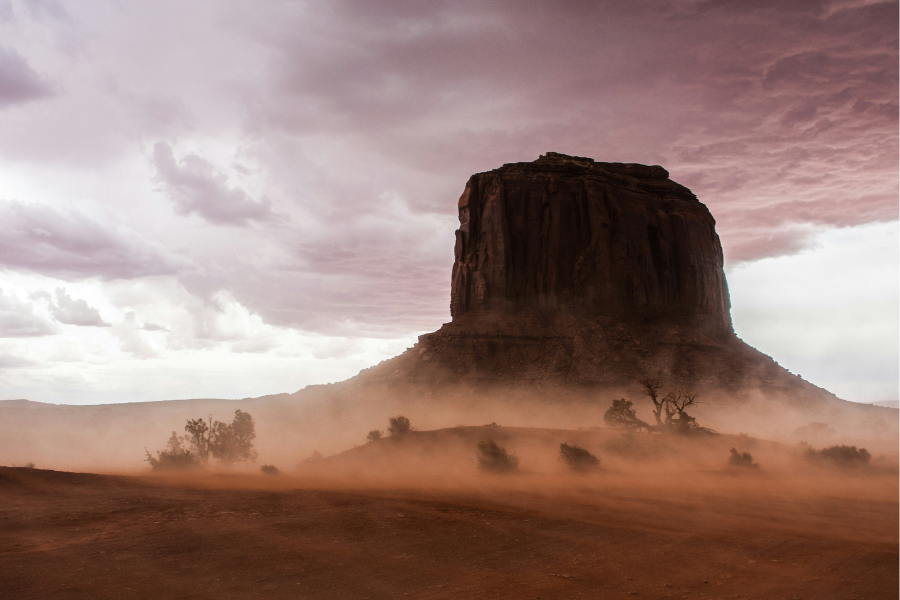
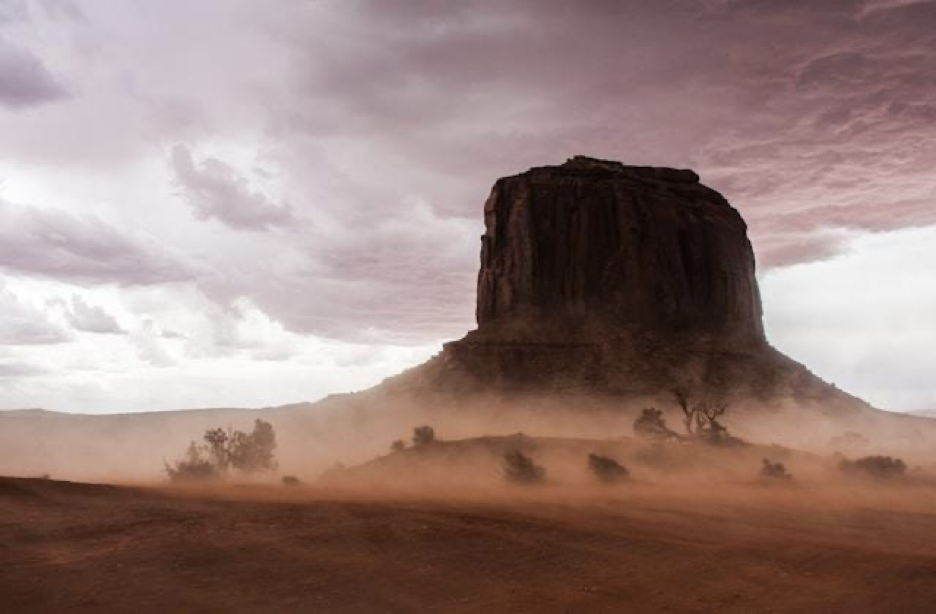
On the Utah-Arizona border, Monument Valley is pure cinematic magic. Think sweeping desert plains punctuated by massive buttes and mesas. You will recognize this iconic area from just about every western movie you’ve ever seen. For iconic shots, hit the View Hotel overlook or take a Navajo-guided tour into the valley itself for exclusive angles and golden hour light. Or, try shooting from the main road for a classic leading-line composition.
Tip: Plan for sunset and bring a tripod. This is prime time for long exposures and deep colors. Bonus: the night skies are some of the darkest in the country for astro shots.
Goblin Valley State Park
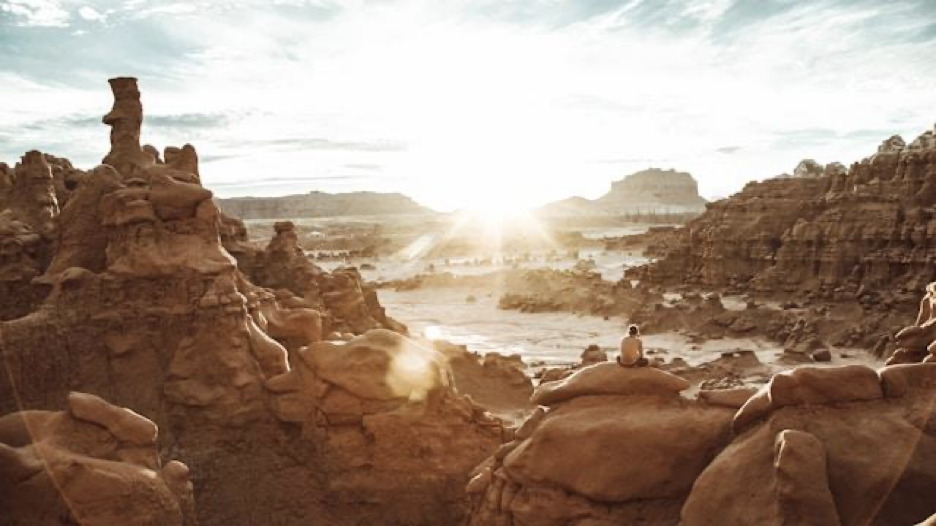
Weird, whimsical, and wonderfully photogenic, Goblin Valley feels like another planet. Its mushroom-shaped rock formations (aka “goblins”) glow in the late afternoon sun and cast wild shadows at sunrise.
Tip: Visit at golden hour for directional light that brings out the eerie details. Explore with a wide-angle lens to capture scale and depth.
Northern Utah
Often overshadowed by the south’s national parks, Northern Utah offers its own unique charms, such as stark salt flats, mirror-like lakes, snowcapped peaks, and wildlife-rich islands.
Antelope Island & Great Salt Lake
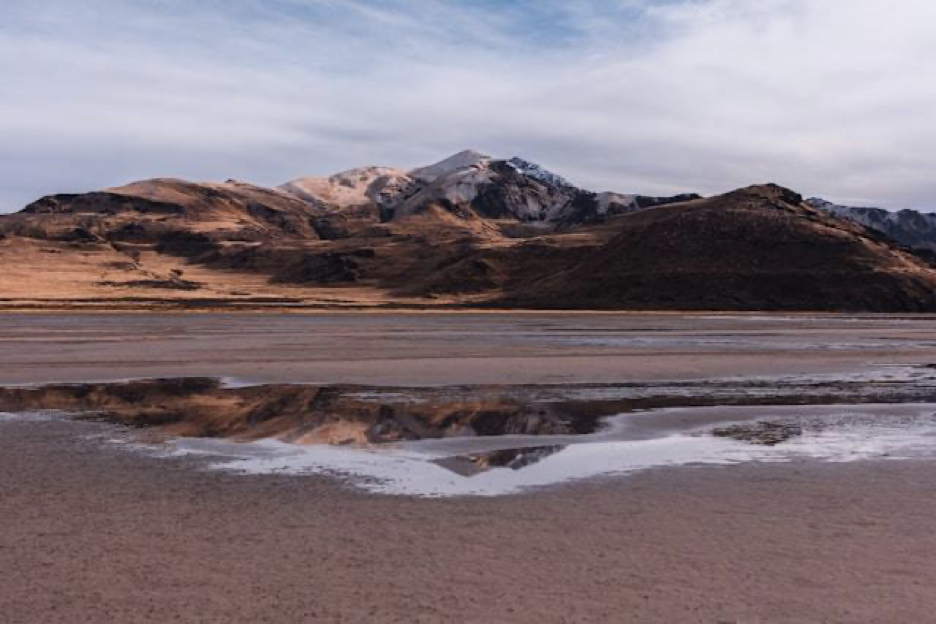
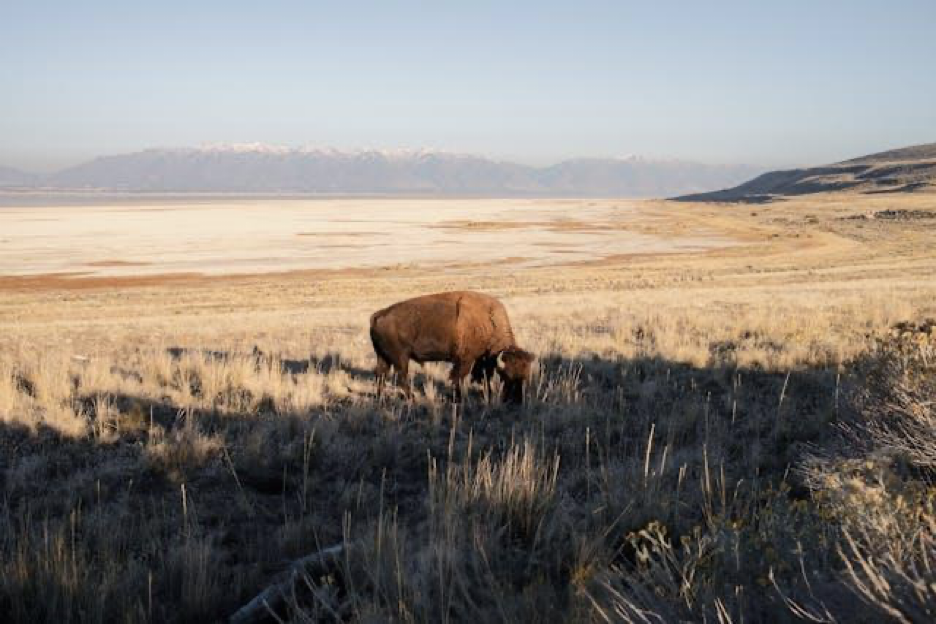
Just west of Salt Lake City, Antelope Island is a top spot for photographing bison, birds, and surreal salt flats. But one of its most magical offerings is the Great Salt Lake’s glassy, mirror-like reflections, especially when the water is still and the air is clear. The best conditions for capturing those dreamlike mirror shots are during calm mornings or just before sunset, particularly after rainfall or during periods of high water. A still surface creates surreal symmetry between sky and lake, perfect for minimalist compositions.
Tip: Try shooting bracketed exposures to perfectly balance the dynamic range between bright skies and reflective water especially during sunrise or sunset.
Bonneville Salt Flats
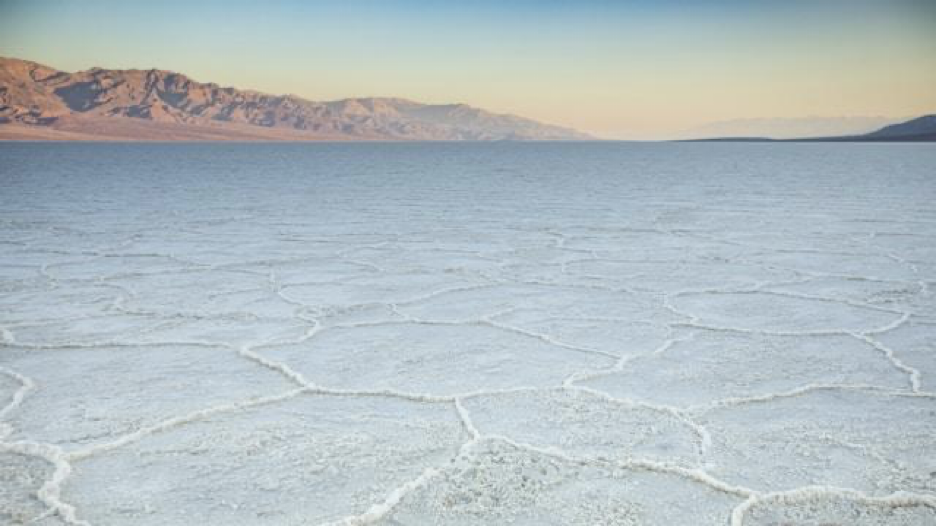
This vast, otherworldly expanse of white salt stretches for miles. It’s ideal for minimalist compositions, reflections, and even drone shots. Photograph at sunrise or sunset when the salt reflects the sky, or after rain for mirror-like pools.
Tip: Don’t drive on the flats after rain or you’ll get stuck! Bring knee pads or a towel if you’re planning low-angle shots.
Central Utah
Central Utah is home to some of the state’s most underrated gems, like canyonlands, desert plateaus, and hidden trails with cinematic views.
Capitol Reef National Park
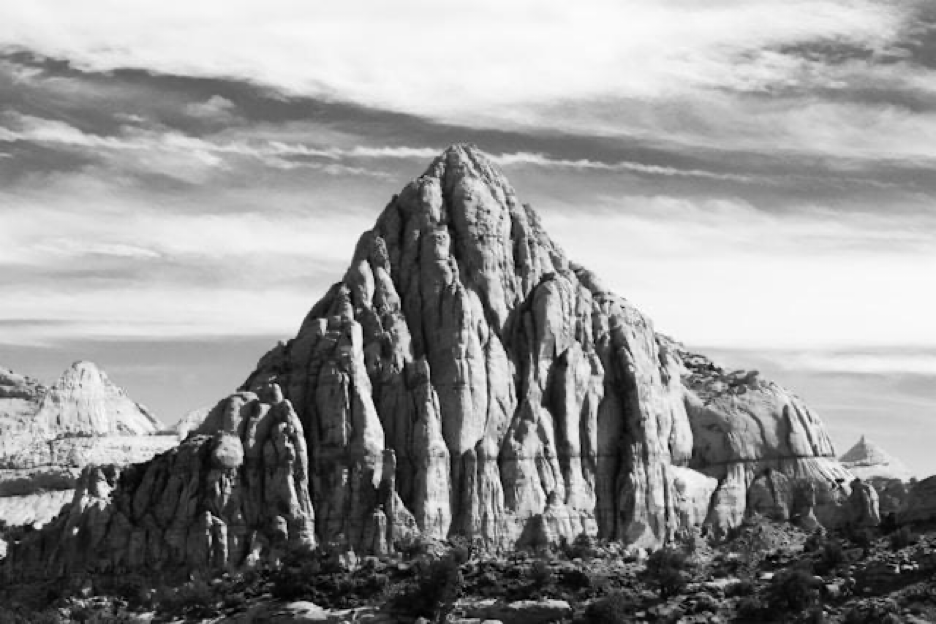
Often overlooked, Capitol Reef offers epic desert scenery without the crowds. Chimney Rock Trail offers fantastic views of the Waterpocket Fold, while Sunset Point provides a quick walk to glowing vistas. Don’t miss the Gifford Homestead for charming foreground elements like rustic barns and fruit orchards. Hit the Cathedral Valley area for wide, dramatic desert landscapes, or photograph petroglyphs and orchards near Fruita.
Tip: Frame your wide landscape shots with fruit trees, fences, or rock formations to add depth, context, and storytelling to your images of Capitol Reef’s vast desert scenes.
Canyonlands National Park
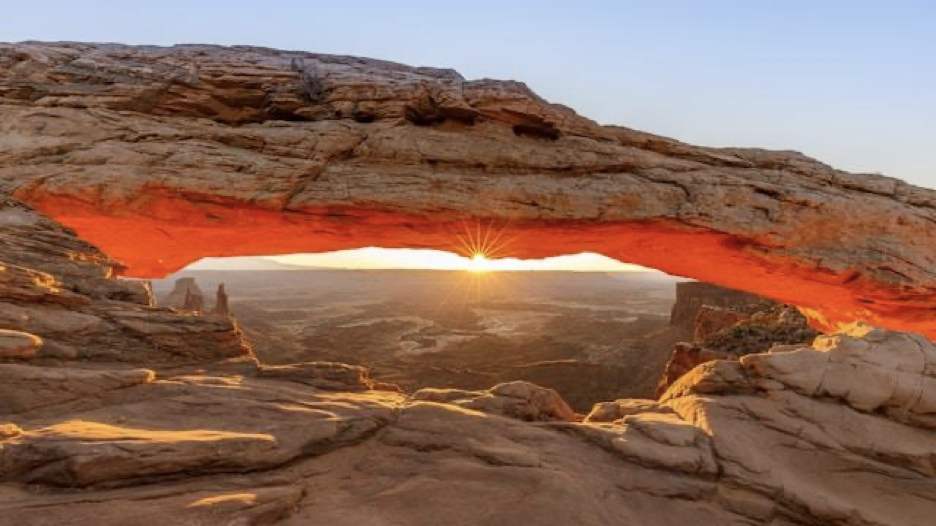
This vast and rugged national park is a landscape photographer’s dream, split into distinct districts: Island in the Sky, The Needles, and The Maze. Each district offers wildly different terrain. Island in the Sky is the most accessible and offers sweeping overlooks like Mesa Arch, which glows brilliantly at sunrise as the sun peeks through the opening. The Needles showcases colorful spires and sandstone formations perfect for dramatic compositions. The Maze is remote, raw, and ideal for advanced adventurers.
Tip: Visit Mesa Arch at sunrise for one of the most iconic shots in the Southwest. Arrive early to beat the crowds. Use a wide-angle lens and small aperture (f/11–f/16) to capture the sunburst effect as it rises through the arch.
Dead Horse Point State Park
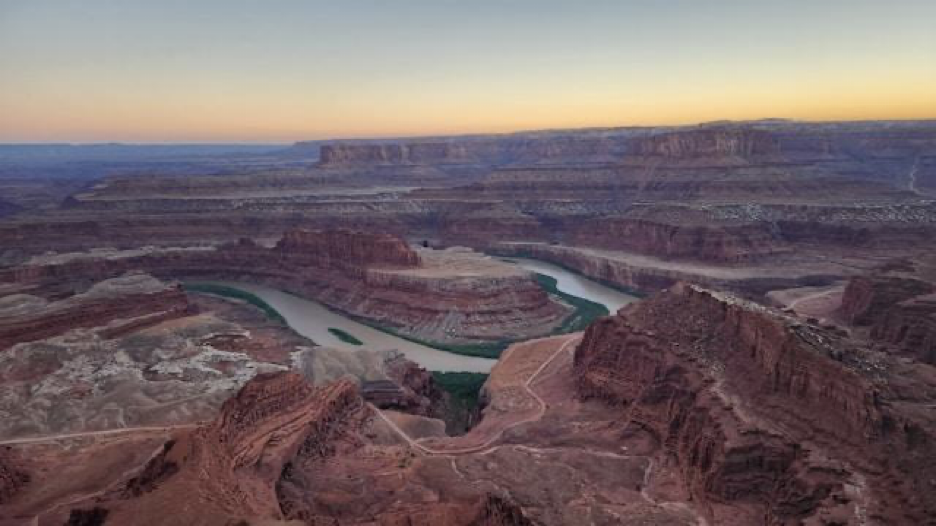
Just outside Canyonlands, Dead Horse Point offers one of the most jaw-dropping overlooks in the Southwest. Stop at the main overlook for sunrise or sunset panoramas, and explore the East Rim Trail for multiple vantage points. The Bighorn Overlook is less crowded and gives you a fresh perspective on the sweeping canyon curves. The meandering Colorado River below contrasts beautifully with the red rock cliffs above. The sunset is breathtaking here.
Tip: Shoot during blue hour to capture rich colors and soft contrast across the canyon. Use a graduated ND filter to balance the bright sky with the shadowy depths below.
Hidden Gems
Off the beaten path but well worth the detour, these lesser-known spots are perfect for photographers who want something different.
Spooky & Peek-A-Boo Slot Canyons
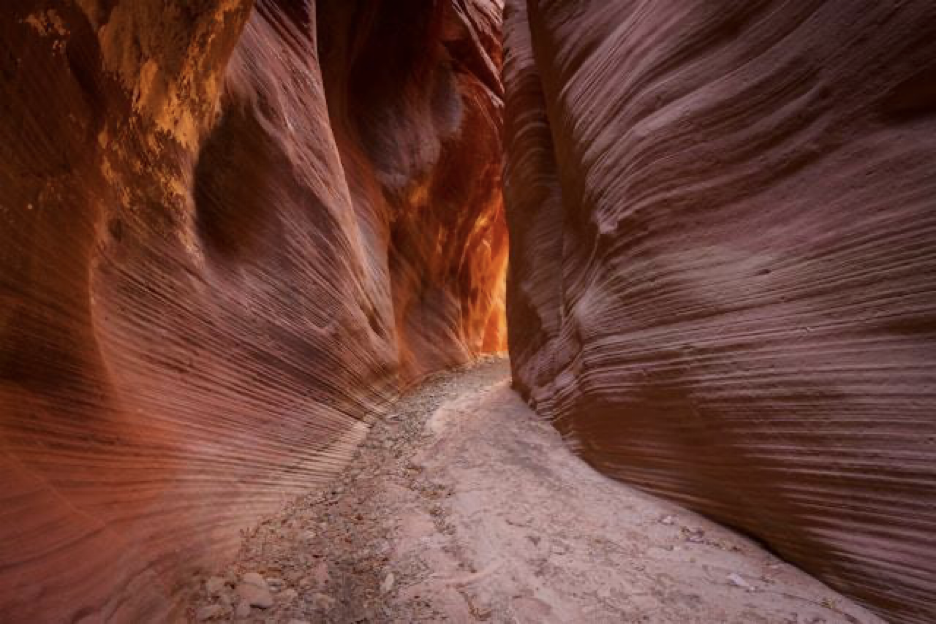
Near the town of Escalante, these twisting, narrow canyons are rich in curves, textures, and dramatic light play. The sandstone walls vary in color from deep reds to soft oranges, glowing when sunlight filters through the top. The loop hike linking both canyons provides variety in composition, with tight corridors and occasional open pockets of light. Midday to early afternoon is the best time to shoot here, when overhead light beams create glowing highlights and deep contrast.
Tip: Bring a lightweight kit here, as some slots are too tight for bulky gear. Use a tripod and slow shutter speed to capture the glowing canyon interiors, and consider bracketing exposures to manage tricky lighting between shadows and highlights.
Coral Pink Sand Dunes State Park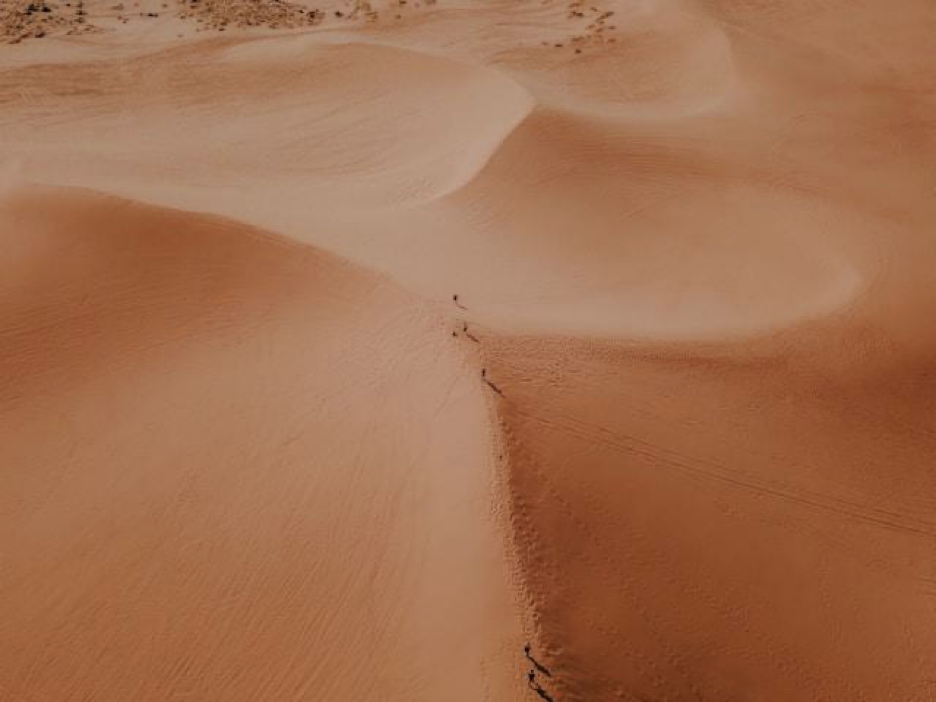
Waves of coral-colored sand create stunning contrast with blue skies, green vegetation, and distant red cliffs. The dunes shift constantly with the wind, meaning every visit offers new patterns and textures to explore. Sunrise and sunset provide long shadows that accentuate the dune ripples, making for striking abstract or landscape shots.
Tip: Use footprints or animal tracks for storytelling composition.
Kanarra Falls
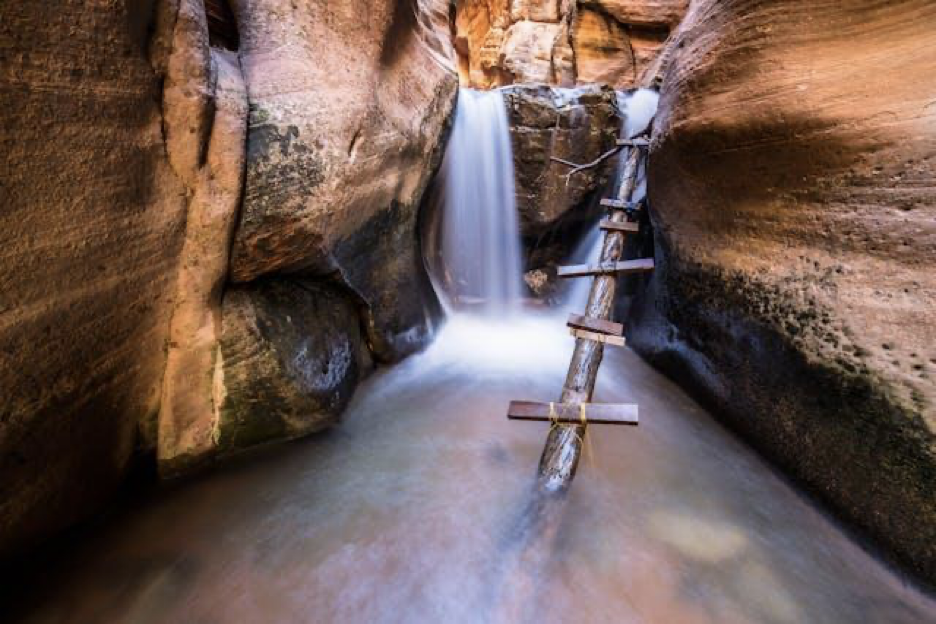
Located near the town of Kanarraville, this slot canyon hike leads to a stunning waterfall tucked between sculpted canyon walls. The highlight is the lower falls, where a wooden ladder ascends alongside the cascade creating an iconic and dramatic composition. Expect to get your feet wet, as much of the trail requires hiking through a creek, especially in spring and early summer when flow is higher. To catch the best light on the canyon walls and waterfall, plan to arrive at the lower falls a couple hours before sunset, when golden light filters softly into the narrow canyon.
Tip: Use a slow shutter speed with a tripod to capture silky waterfall motion inside the glowing canyon light.
Photography Tips for Utah’s Unique Landscapes
- Managing harsh lighting and high contrast: Utah’s bright sun and deep shadows, especially in canyons or during midday, can blow out highlights and crush shadow detail. Use a graduated ND filter or bracket exposures for better dynamic range. Shooting during golden hour or blue hour gives softer, more balanced light for landscapes.
- Protecting gear from sand, dust, and weather: Utah’s dry deserts and windy days can kick up fine dust that’s hard on cameras. Use a sealed camera bag, rain cover, and keep microfiber cloths and a rocket blower handy. Change lenses only when absolutely necessary, and out of the wind.
- Composition tips for wide-open spaces and dramatic formations: Incorporate natural foreground elements like rocks, trees, or tracks to add depth to vast desert scenes. Use leading lines from trails, ridges, or roads to guide the viewer’s eye through the frame. A wide-angle lens can exaggerate foregrounds and create dynamic tension to help tell your story.
- Using focus stacking for sharper landscapes: In Utah’s vast scenes, focus stacking can help maintain detail from foreground to background. Take multiple shots focused at different distances and blend them in post-processing to create ultra-sharp images across the frame.
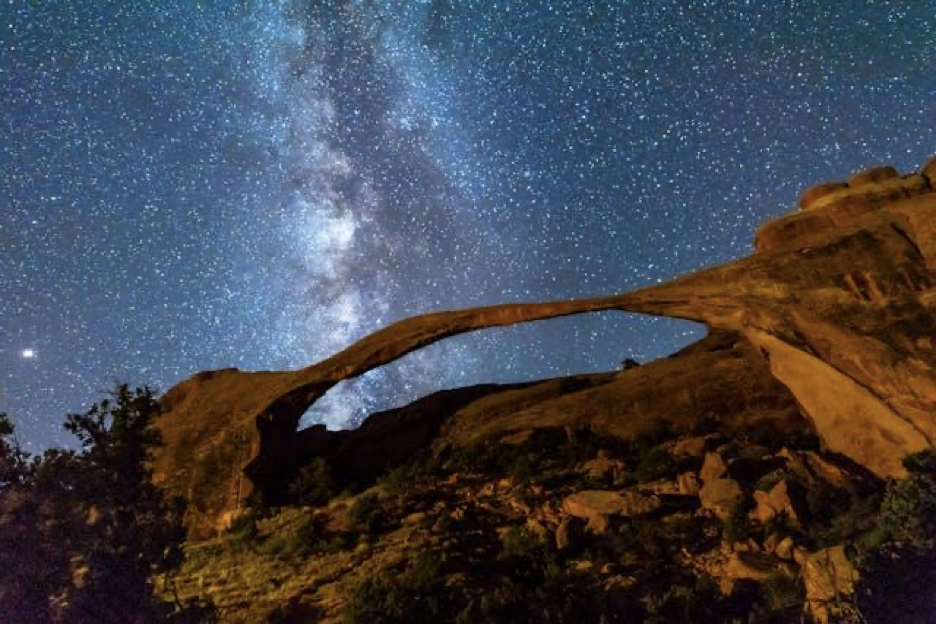
- Capturing starry skies and astro scenes: Utah’s dark skies are ideal for astrophotography, especially in places like Monument Valley and Dead Horse Point. Use a fast wide-angle lens (f/2.8 or lower), bump your ISO (1600–3200), and shoot during a new moon. A tripod and remote shutter are essential to avoid blur during long exposures.
Planning Your Utah Photography Adventure
- Be weather-wise: Utah’s climate can shift quickly. Mornings may be freezing, afternoons scorching, and sudden storms common in the mountains and desert. Monsoon season (July–August) can bring dangerous flash floods to canyons. Always check the forecast and pack layers, especially if you’re hiking at elevation or through exposed terrain.
- Seasonal considerations: Spring and fall are often the best times to shoot for wildflowers, crisp air, and thinner crowds. Summer brings intense heat and bigger crowds, while some areas (like high mountain passes) may be inaccessible in winter due to snow. Research trail conditions and road closures in advance.
- What to pack: Essentials include sturdy hiking shoes, plenty of water, sun protection, snacks, headlamp, rain shell, and navigation tools (map or GPS app). For photography, pack a tripod, extra batteries, memory cards, lens wipes, and a dust blower. Use a dry bag or padded insert to protect your gear.
- Know park rules and permit requirements: National and state parks often require permits for backcountry travel, sunrise entry, or drone use. Some areas (including a few spots in Grand Staircase-Escalante) require advanced lottery permits. Always research ahead and secure the necessary paperwork.
- Hike prepared: Many top photo spots require hiking. Make sure to bring trail essentials, tell someone your route, and never underestimate the difficulty. Even short trails can be exposed and rugged.
- Respect wildlife: From bison and elk to desert snakes and mountain lions, Utah’s wildlife is wild. Keep your distance, use a zoom lens, and never feed or disturb animals for a photo opp.
- Follow Leave No Trace principles: This means stay on marked trails, pack out everything you bring in, and never damage or disturb natural features. Even seemingly harmless actions like carving into rock or stacking stones cause lasting harm and ruin the experience for others. Utah’s landscapes are fragile and irreplaceable so treat them with the respect they deserve.
- Honor Indigenous lands and cultures: Many of Utah’s most iconic landscapes are sacred to Native communities. If you’re photographing on tribal land, always research and respect local regulations. Some locations may require special permission or prohibit photography altogether.
- Be a respectful visitor: Avoid geotagging sensitive locations, especially lesser-known spots, to prevent overuse. Keep noise levels down and be considerate of others enjoying the space whether they’re locals, tourists, or fellow photographers.
Start Your Utah Photo Adventure
From surreal slot canyons and towering arches to alpine lakes and endless dunes, Utah is a bucket list destination for photographers of every kind. Its iconic national parks draw millions for a reason, but the hidden corners are just as inspiring. Whether you’re shooting stars over a desert ridge or framing bison on a misty morning, Utah promises unforgettable shots and the adventure to match.
So load up your gear and get ready to fill a few memory cards. The red rocks are calling.