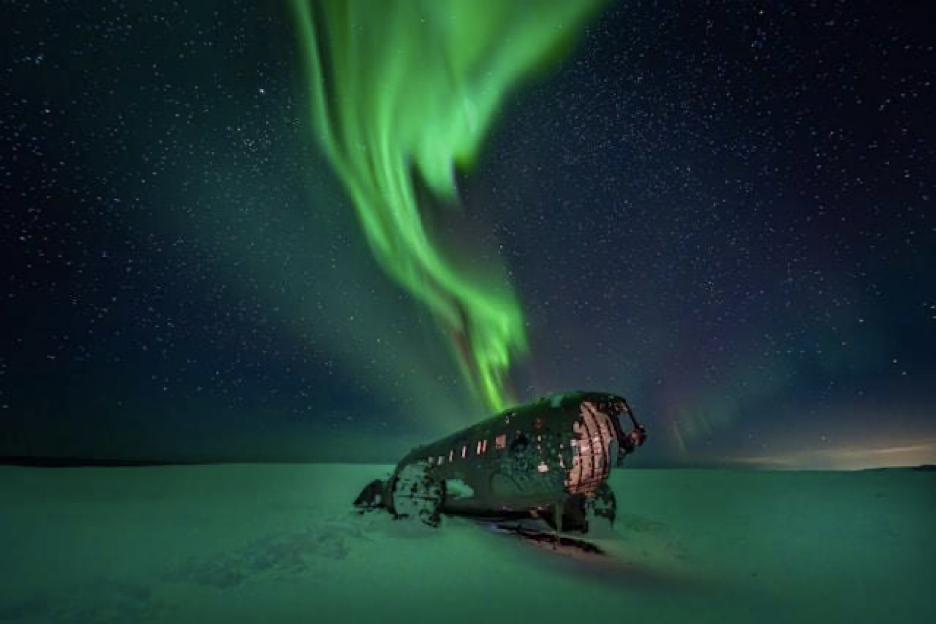
From scorching desert landscapes to snow-covered mountain peaks, photographers often find themselves pushing boundaries to capture that perfect shot. While these extreme environments offer incredible opportunities for stunning imagery, they also present serious challenges for both you and your equipment.
Whether you’re dealing with triple-digit heat or sub-zero cold, photographing in severe temperatures demands careful preparation to keep yourself safe and your gear functioning properly. This guide will walk you through everything you need to know about protecting yourself and your camera gear when photographing in harsh conditions—so you can focus on creating incredible images, no matter what the weather throws at you.
Understanding the Risks
Before diving into solutions, it’s important to understand what you’re up against. Both hot and cold environments test your endurance and your gear in very different ways.
When the mercury rises, you’re not just battling sweat and sunburn. You’re facing potential heatstroke, dehydration, and fatigue that can impair your judgment and slow your reaction time. Meanwhile, your camera’s electronics are also struggling: overheating sensors can trigger shutdowns, batteries drain faster, and expansion and contraction from temperature swings can damage delicate components.
Cold conditions bring their own set of hazards. Hypothermia and frostbite can develop quickly without proper protection, and your equipment doesn’t fare much better. Batteries drain rapidly in freezing weather, mechanical parts can become stiff or frozen, and condensation can cause serious internal damage when you move between warm and cold environments.
The key thing to remember is that both you and your equipment have limits. Recognizing those limits, and planning around them, is essential for safe and successful photography sessions.
Personal Safety in Intense Temperatures
No matter how incredible the light or landscape may be, your personal safety always comes first. Severe weather is unforgiving, but a few smart precautions will keep you protected and ready to shoot.
Hot Weather Safety
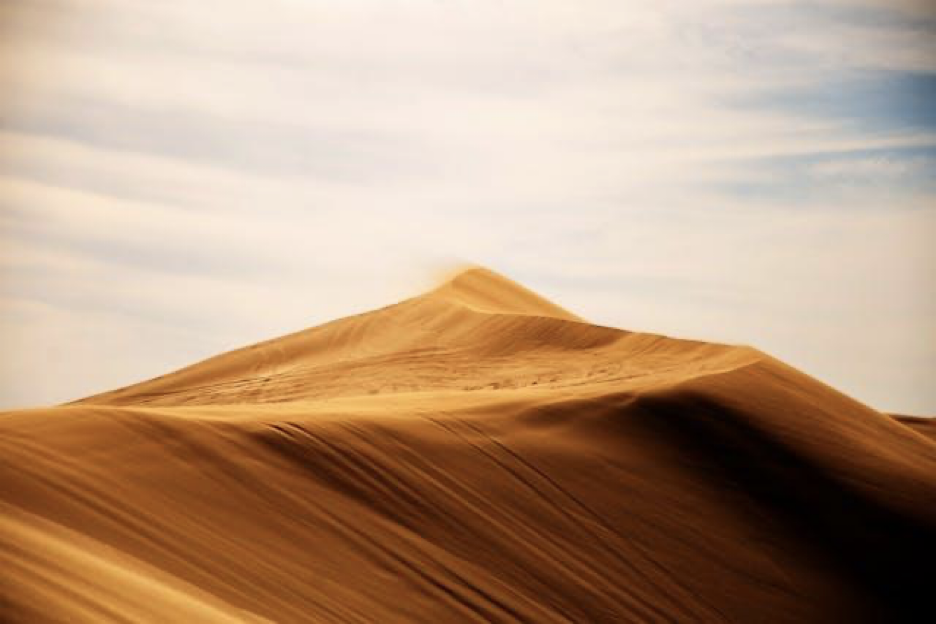
When photographing in hot weather, generally anything above 86°F (30°C), heat and sun exposure can escalate quickly, especially under direct sunlight or high humidity.
- Stay Hydrated: It’s easy to forget how much water your body loses while hiking or shooting in the sun. Sip consistently throughout the day, not just when you feel thirsty. Adding electrolyte tablets to your water helps replace what sweat takes away, especially during long sessions.
- Protect Yourself from the Sun: Invest in UV-blocking, breathable clothing, a wide-brim hat, and high-SPF sunscreen. Polarized sunglasses not only protect your eyes but make it easier to see your camera’s LCD screen in bright light.
- Plan Smart Shooting Times: Early morning and late afternoon are prime times for their golden light and also for their cooler temperatures. Use the harsh midday hours for scouting, planning, or recharging indoors.
- Recognize Heat Illness Signs: Pay attention to your body. Symptoms like dizziness, nausea, confusion, or heavy sweating mean it’s time to stop, hydrate, and cool down immediately.
Cold Weather Safety
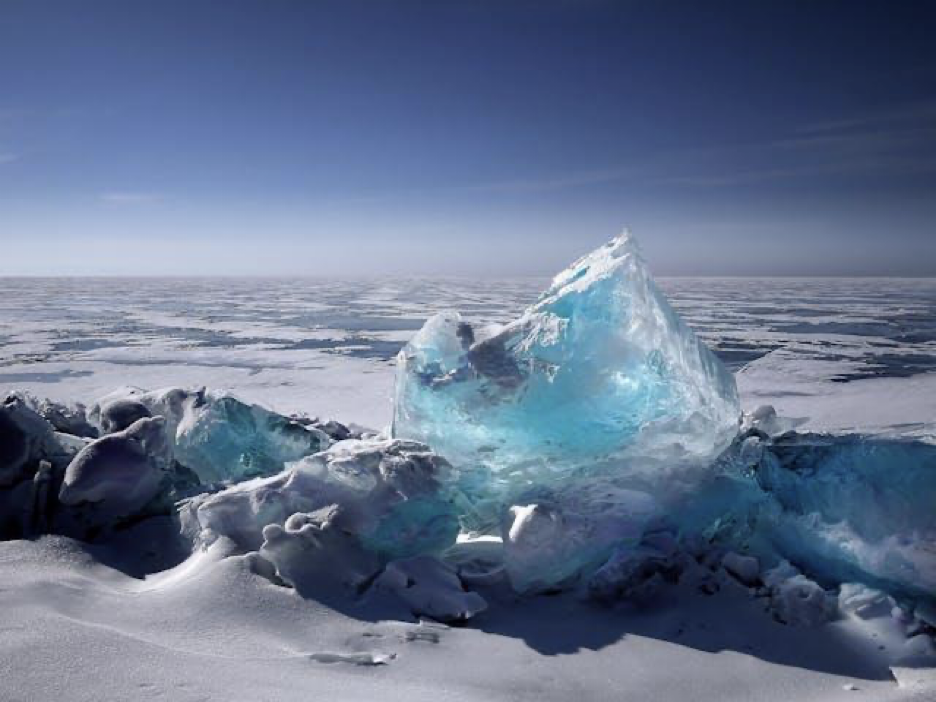
After mastering the heat, it’s time to flip the thermometer. Cold weather brings an entirely different set of challenges, especially when temperatures drop below 40°F (4°C).
- Layer Your Clothing: The three-layer system works best: moisture-wicking base layers, insulating middle layers, and weatherproof outer shells. This system lets you adjust your warmth level as conditions change throughout your shoot.
- Watch for Frostbite and Hypothermia: Frostbite typically starts in fingers and toes, causing numbness and a waxy appearance. Hypothermia begins with uncontrollable shivering and can progress to confusion and poor coordination. If you notice these signs, warm up immediately.
- Fuel Your Body: Cold weather photography burns more calories than you might expect. Pack high-energy snacks and eat regularly to maintain your body temperature and energy levels.
- Stay Dry: Moisture is your enemy in cold conditions. Invest in quality waterproof boots and gloves, and choose breathable fabrics that won’t trap sweat against your skin.
Once you’ve taken steps to protect yourself, it’s time to make sure your camera can handle the same extremes.
Protecting Your Camera Gear in Harsh Temperatures
Your camera is tough, but it’s not invincible. Excessive heat and cold can easily damage sensors, batteries, and mechanical parts if you’re not careful. A few smart habits will help you keep your equipment safe and ready for action.
Protecting Your Gear in Hot Weather
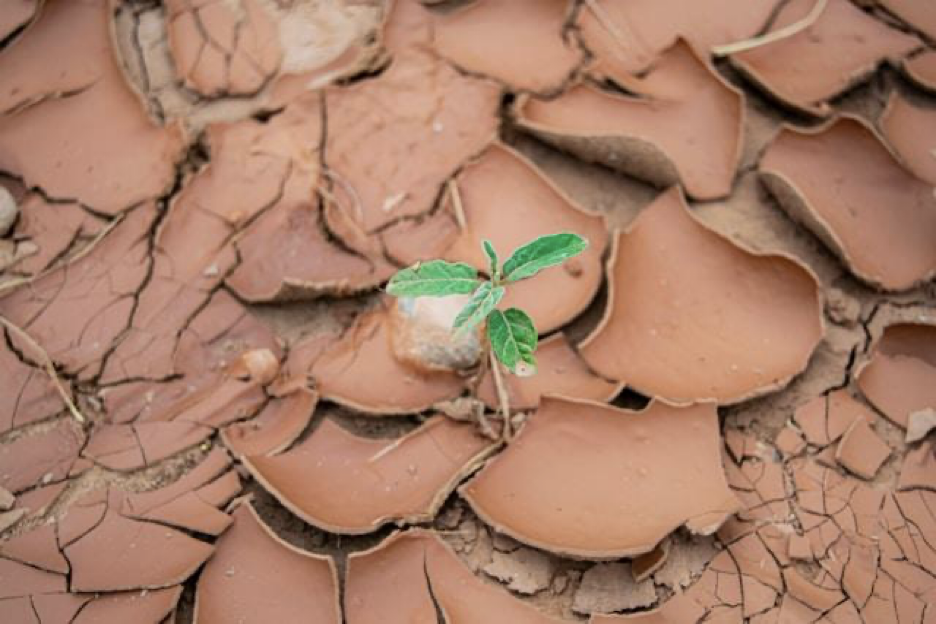
Hot weather can be tough on your gear. Here are some simple tips to ensure your equipment stays safe and performs at its best, even in the heat.
- Prevent Overheating: Keep your camera shaded whenever possible. A white towel, reflective cover, or even your own shadow can reduce internal temperatures significantly. Use your lens hood to block direct sunlight, and never leave gear in a hot vehicle. Interior temps in a hot car can climb high enough to ruin electronics permanently.
- Manage Your Batteries: Heat shortens battery life and can cause swelling or leaks. Store spares in a cool, shaded pouch and rotate them regularly. If a battery feels unusually hot or shows signs of damage, stop using it immediately.
- Control Dust and Moisture: Desert and beach environments are particularly tough on gear. Use protective covers to keep dust out, and keep silica gel packs in your camera bag to absorb moisture and prevent mold. Clean your lenses regularly to prevent buildup that can scratch coatings.
- Handle Temperature Changes Carefully: Avoid moving straight from scorching outdoor conditions into an air-conditioned room. Sudden cooling can cause condensation to form on or inside your camera. Let your gear acclimate slowly whenever possible.
Protecting Your Gear in Cold Weather
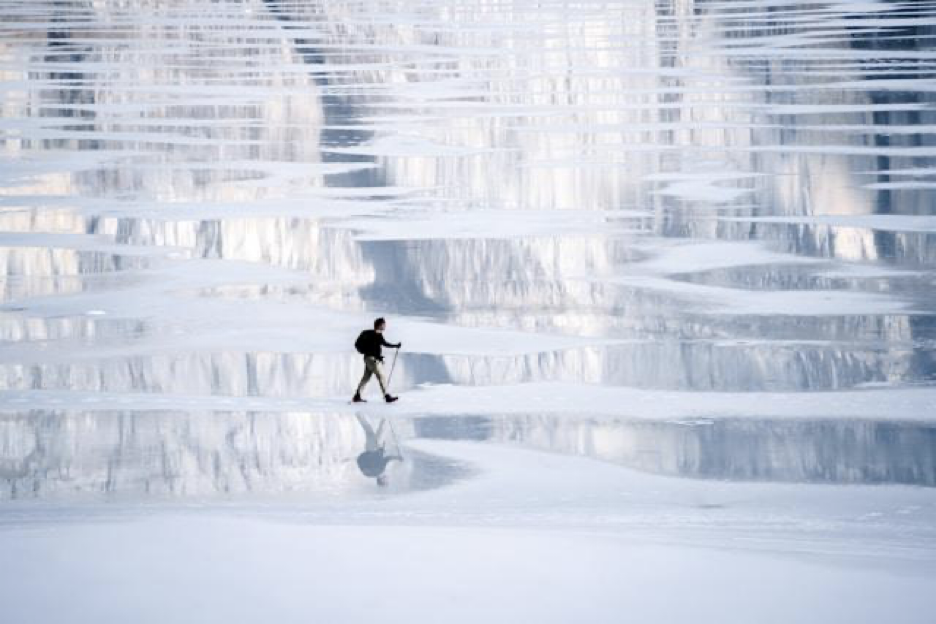
Cold weather photography can produce stunning results, but it requires a bit of extra care and patience.
- Battery Care: This is one of the best tips for cold weather photography. Batteries lose power quickly in freezing temperatures. Keep extras in an inner pocket close to your body heat and rotate them as needed. A “dead” battery will often come back to life once it warms up. Battery grips can also extend life by holding two batteries at once, reducing the need to open your camera in the cold.
- Prevent Condensation Damage: When heading indoors after shooting in the cold, seal your camera in a plastic bag before entering warm air. This allows it to warm gradually without moisture forming inside.
- Lubrication and Mechanics: In freezing temperatures, internal lubricants become thicker and plastic components shrink, causing abnormal friction and stiff or sluggish controls. To minimize these issues, use gear rated for low temperatures. If this does happen to you, don’t force anything. Wait until your gear gradually warms back up and it should function normally again.
- Choose the Right Gloves: Look for gloves that balance warmth with dexterity, such as ones with removable fingertips or touchscreen compatibility. Layer thin liners under mittens if you need more flexibility.
Essential Accessories and Gear Modifications
When shooting in severe temperatures, the right accessories can mean the difference between a smooth, productive session and a day of frustration.
Weather-Sealed Camera Bodies and Lenses
A weather-sealed setup is your first line of defense against dust, moisture, and temperature extremes. Most pro-level cameras such as the Canon R6 Mark II or Nikon Z8, paired with weather-resistant lenses, offer reliable protection in rain, snow, or blowing sand. While no camera is completely waterproof, a sealed body helps prevent internal condensation and corrosion. This is critical when moving between hot and cold environments.
Protective Covers and Rain Sleeves
Even if your camera is weather-sealed, a protective cover adds an extra layer of security. Keep a compact rain sleeve, such as the Peak Design Shell or a disposable rain sleeve in your bag. They’re lightweight, inexpensive, and invaluable during sudden storms, ocean spray, or blowing dust. In freezing conditions, they also help block wind and snow from entering your camera controls.
Silica Gel Packs and Chemical Hand Warmers
Humidity and condensation can wreak havoc inside your gear bag. Slip a few silica gel packets or rechargeable desiccant packs into every compartment to help absorb moisture and protect sensitive electronics. In cold climates, chemical hand warmers are a must (for your hand and for your batteries). Tuck one in a pocket next to your spares to help maintain battery efficiency.
Microfiber Cloths for Frost, Condensation, and Dust
Always keep several high-quality microfiber cloths sealed in a dry pouch. Use them to gently remove frost buildup, wipe away condensation, or clear dust in arid environments. Avoid paper towels or shirt hems, which can scratch delicate coatings.
Tripod Considerations
Cold metal tripod legs can be a painful surprise in freezing temperatures. Foam leg wraps or pre-wrapped grips prevent frostbite and make handling more comfortable. For soft, slippery, or uneven terrain, consider interchangeable tripod feet—rubber for smooth surfaces, spikes for ice or packed snow, and wide “sand shoes” for dunes or beaches. These small modifications can significantly improve both comfort and stability when conditions get tough. If you’ll do the bulk of your shooting in cold weather, invest in a carbon fiber tripod instead of aluminum, as it tends to perform better in harsh temperatures.
Troubleshooting Common Issues
Even with the best preparation, severe temperatures can still cause unexpected challenges in the field. Understanding how to troubleshoot these issues calmly and correctly can help you protect your gear and keep your shoot on track.
One of the most common frustrations is lens fogging, especially when moving between drastically different temperatures or humidity levels. Condensation forms when warm, moist air hits a cold surface, which can quickly cloud your lens or even seep into your camera body. To prevent this, seal your gear in an airtight plastic bag before transitioning indoors or outdoors and allow it to gradually adjust to the new temperature. If fogging does occur, resist the urge to wipe internal moisture. Simply let your camera rest in a dry, stable environment until it clears naturally. For external condensation on lenses, a soft microfiber cloth can safely remove moisture without scratching delicate coatings.
Drastic temperatures can also affect your camera’s electronic components. In freezing weather, LCD screens become sluggish, batteries lose charge rapidly, and buttons can stick or freeze altogether. In the heat, cameras can overheat, triggering automatic shutdowns or distorted image processing. To prevent damage, let your gear warm or cool gradually rather than trying to force it. Keep equipment shaded in hot environments and close to your body in cold ones. Allow electronics to reach a moderate temperature before powering them back on to avoid condensation or circuit stress.
Battery and mechanical issues are another frequent headache. In cold conditions, rotate multiple batteries throughout your shoot and store spares in an inside pocket to keep them warm. If a battery stops working, give it time to return to room temperature before recharging; it may simply need to stabilize. Likewise, avoid forcing stiff dials or frozen zoom rings, as doing so can crack seals or strip gears.
Your Next Steps to Harsh Weather Success
Photographing in severe temperatures takes equal parts creativity and endurance. It demands preparation, awareness, and respect for the conditions around you. Whether you’re braving the scorching desert heat or enduring the sting of winter’s freeze, every step you take to protect yourself and your gear pays off in reliability and peace of mind.
With careful planning, even the harshest environments become creative opportunities rather than obstacles. The icy fog on your lens, the shimmer of heat waves, or the quiet stillness of snow can all become part of your story. By staying safe and protecting your gear, you can capture extraordinary images no matter where your adventures take you.